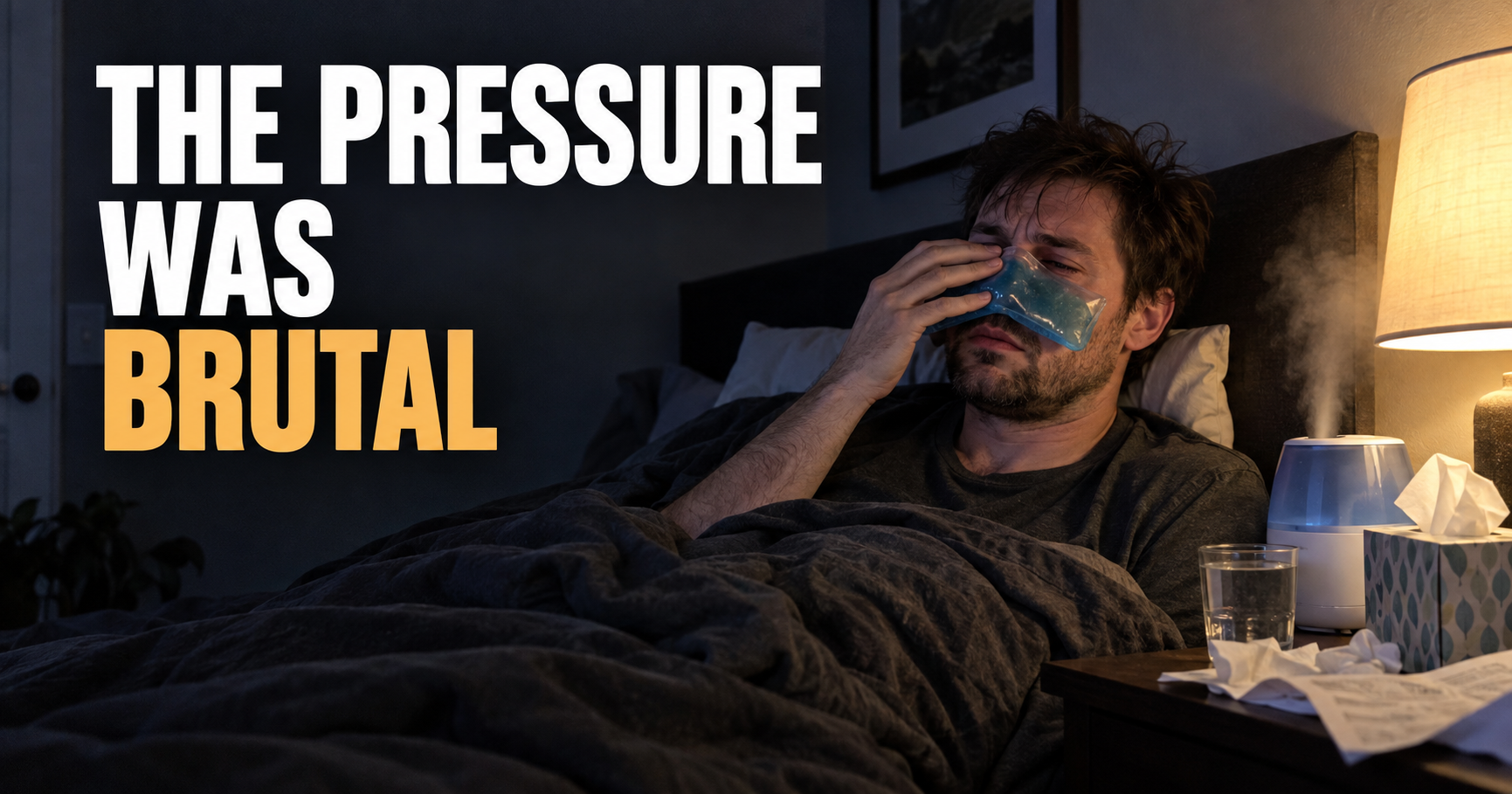
I was not ready for the nasal stents after my septoplasty and sinus surgery. I knew I would be sore, swollen, and stuffed up. What I did not understand was how much it would hurt to have hard plastic supports sitting inside my nose while every part of my face was already swollen and tender.
Mine felt huge. They made my nose feel completely blocked, and I could feel them every time I moved my upper lip, tried to talk, yawned, or even shifted my face in my sleep. The pressure was constant. At times it burned, stung, and sent pain down toward my upper lip, gums, and front teeth.
If you are reading this with stents or splints in your nose right now, I know how miserable it can feel. They are temporary, but that does not make the days with them easy. Here is what mine felt like, why they can hurt so much, what changed once they came out, and when I would call the ENT instead of trying to tough it out.
What Are Nasal Stents After Septoplasty?
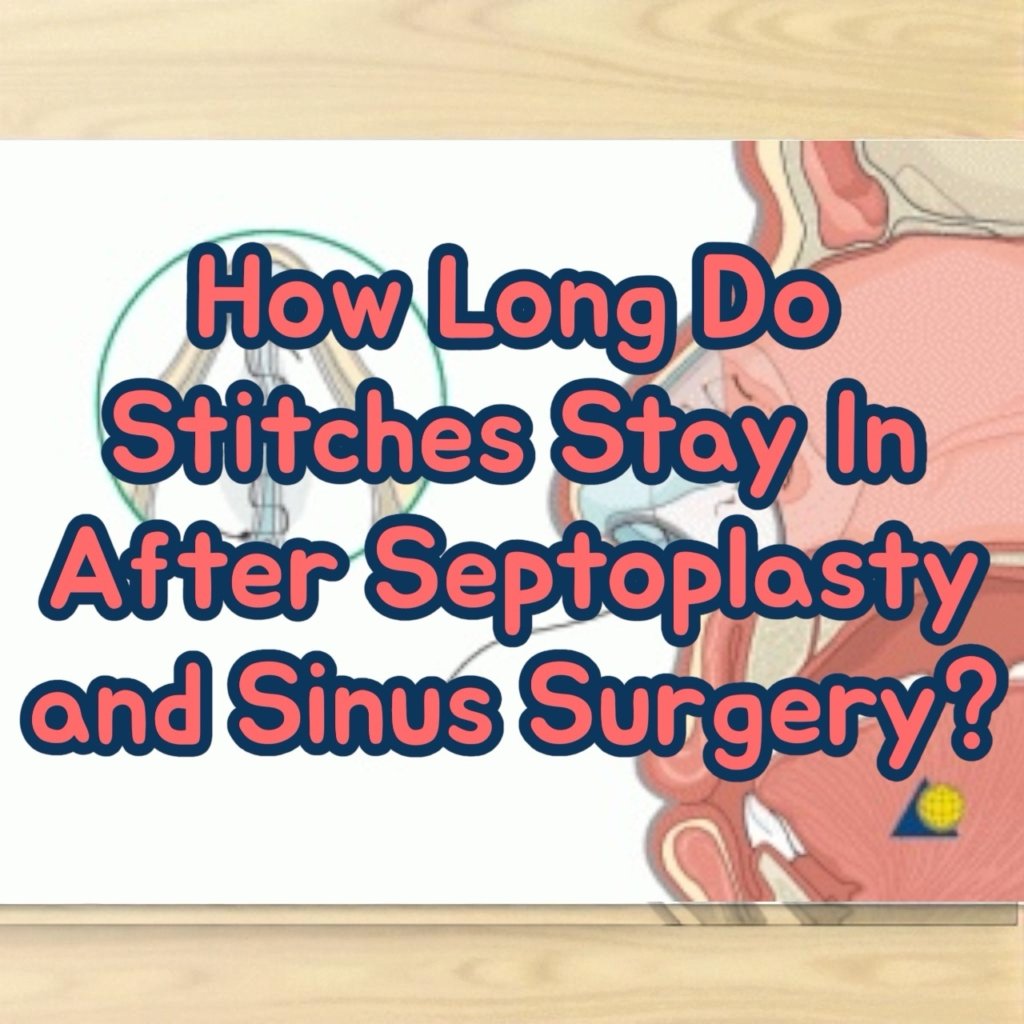
People often call them nasal stents, septoplasty stents, or nasal splints. Your surgeon may use a different word, but they are usually thin supports placed inside the nose after surgery to help protect the healing septum and hold tissue where the surgeon wants it while the early swelling settles down.
They are not the same thing as a little piece of gauze you can pull out at home. They are usually secured inside the nose, often with a stitch, and your surgeon decides when they should come out.
Some people may have soft packing, some may have internal splints, and some may not have either. That is one reason recovery stories can sound so different from one person to the next. My surgery included internal stents, and they were a major part of why those first days felt so rough.
Before surgery, it is worth asking your surgeon whether they use stents or splints, how long they usually stay in, and whether you will be able to breathe at all through your nose while they are there. I wish I had understood that part better ahead of time.


What My Septoplasty Stents Felt Like
The best way I can describe mine is that it felt like my nose was full of stiff plastic while the entire inside of it was raw and swollen.
I woke up after surgery feeling like something massive was taking up all the room in my nostrils. I had expected some swelling and maybe a little packing. I was not expecting the constant awareness of the stents. There was no ignoring them.
Every breath bounced off them. Trying to breathe through my nose was basically pointless. My nose felt like a brick wall, and the stents made the pressure inside even more noticeable.
The pain was not exactly the same every hour. Sometimes it was a dull aching pressure. Sometimes it was burning where the stents rubbed against already sore tissue. Other times it felt sharp, especially when I moved my mouth or upper lip.
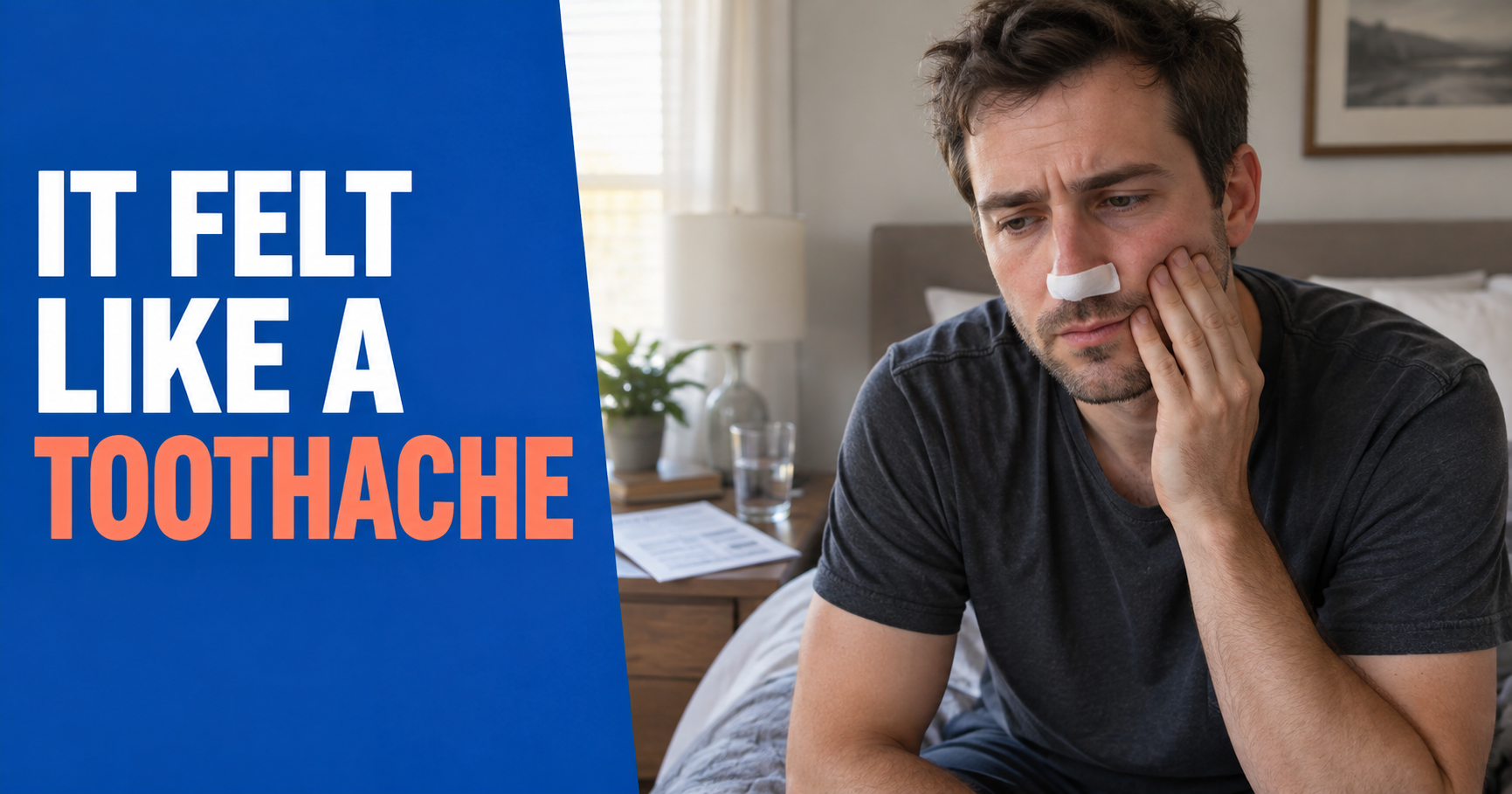
The discomfort was not just inside my nostrils either. It reached into my cheeks, upper lip, and the area behind my front teeth. That overlap is one reason I wrote about why my teeth hurt after septoplasty. When your nose, mouth, gums, and upper face are all swollen and irritated at once, it can be hard to tell where one pain stops and another begins.
Why Nasal Stents Can Hurt So Much
A surgeon places stents to support healing, not to torture you. But when you are the person wearing them, it can honestly feel like torture at times.
Your Nose Is Already Swollen and Tender
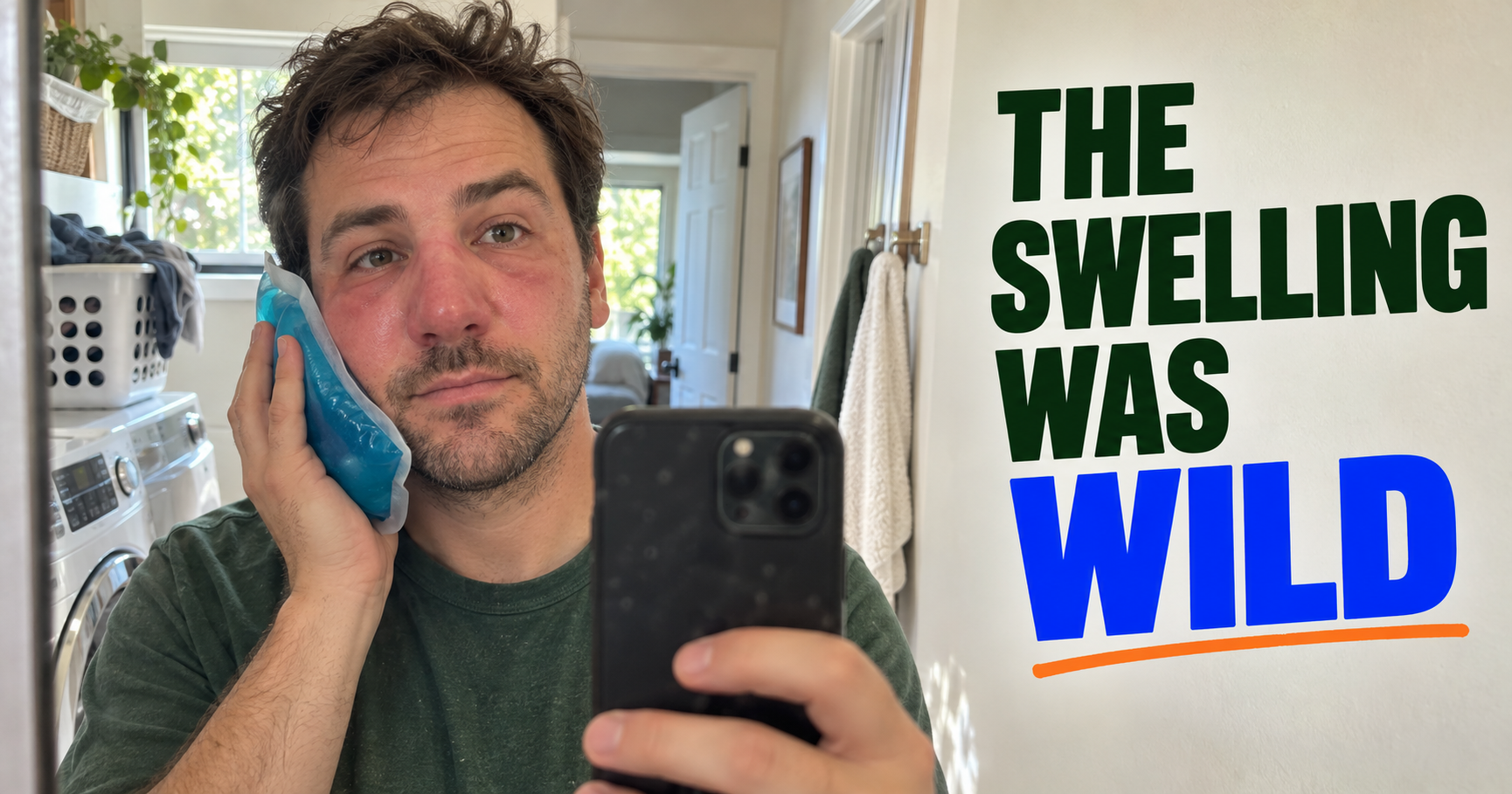
Septoplasty involves work inside one of the most sensitive parts of your face. After surgery, the tissue can be swollen, sore, bloody, dry, and irritated. Adding internal supports to that space can make every sensation feel louder. The broader experience of swelling after septoplasty can help explain why internal supports make these sensations feel so intense.
For me, the swelling ramped up after the first day. The worse the swelling got, the more pressure I felt around the stents.
They Can Pull When You Move Your Face
This was one of the biggest surprises for me. I thought the stents would just sit there quietly inside my nose. Instead, I could feel them when I smiled, talked, yawned, tried to eat, or moved my upper lip.
It made normal things feel ridiculous. Talking to my wife hurt. Chewing hurt. Even trying not to make a face when I was in pain could hurt.
The base of my nose, upper lip, and roof of my mouth all felt tied together. If I moved one part, the rest of it complained.
Crusting and Dryness Make Them Feel Worse
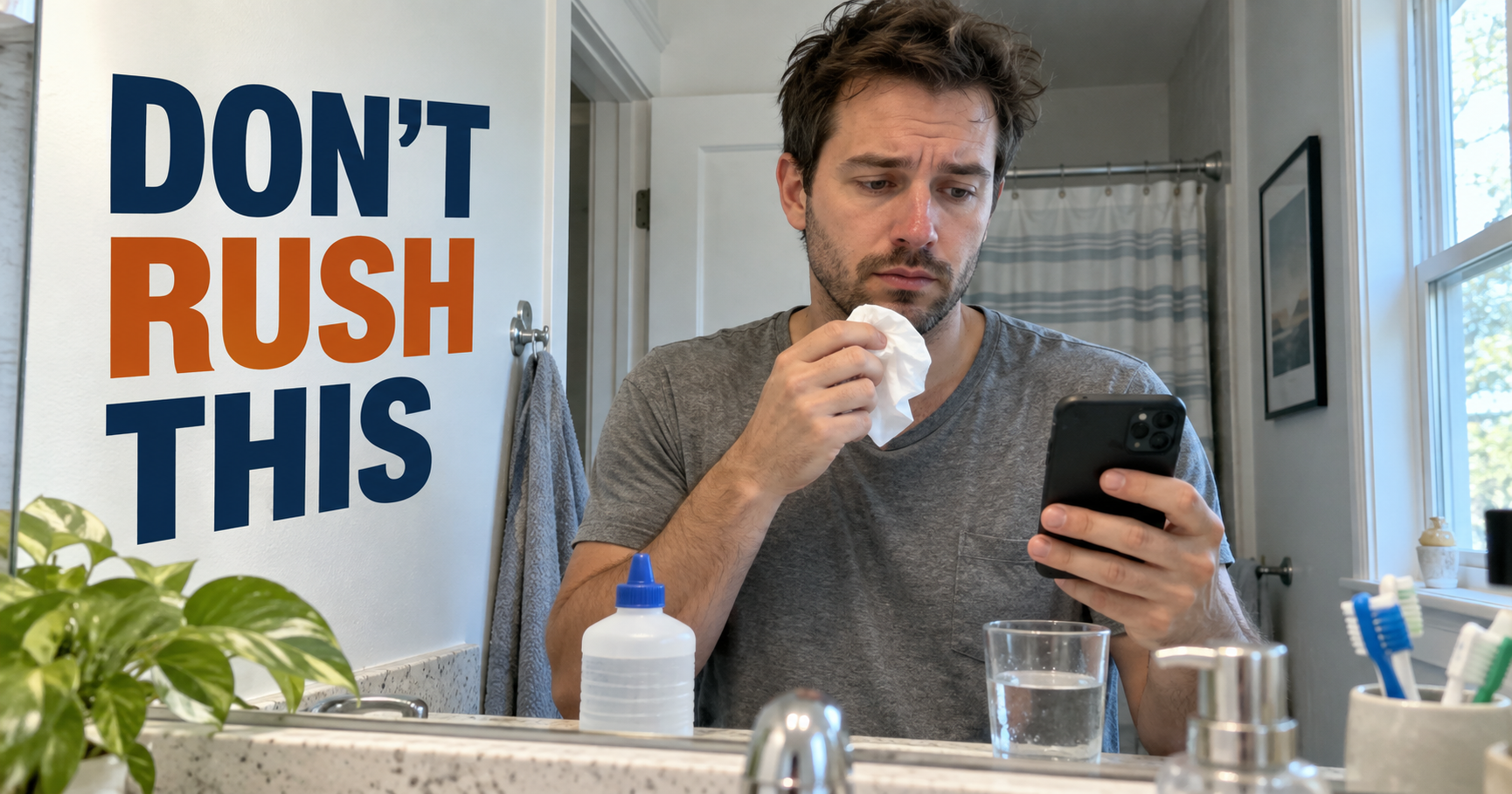
I could not blow my nose, and I had a lot of dried blood and crusting around the front of my nostrils. The stents were still inside, so nothing felt like it could move freely. Saline spray and rinses did not magically wash everything out.
When the inside of my nose dried out, the stents seemed even more irritating. It felt like there was no room in there for moisture, air, swelling, stitches, and hard dried mucus all at once.
This is why I had to be extremely careful about cleaning only as my surgeon instructed. I was tempted to get aggressive because the blockage felt unbearable, but that can cause bleeding or make healing worse.
Why My Nasal Rinses Felt So Frustrating With Stents In
I was told to use saline rinses, but having stents in changed the experience completely.
People sometimes talk about a nasal rinse like it is simple. Tilt your head, squeeze the bottle, let it pass through, and you are done. That was not my reality during those first days.
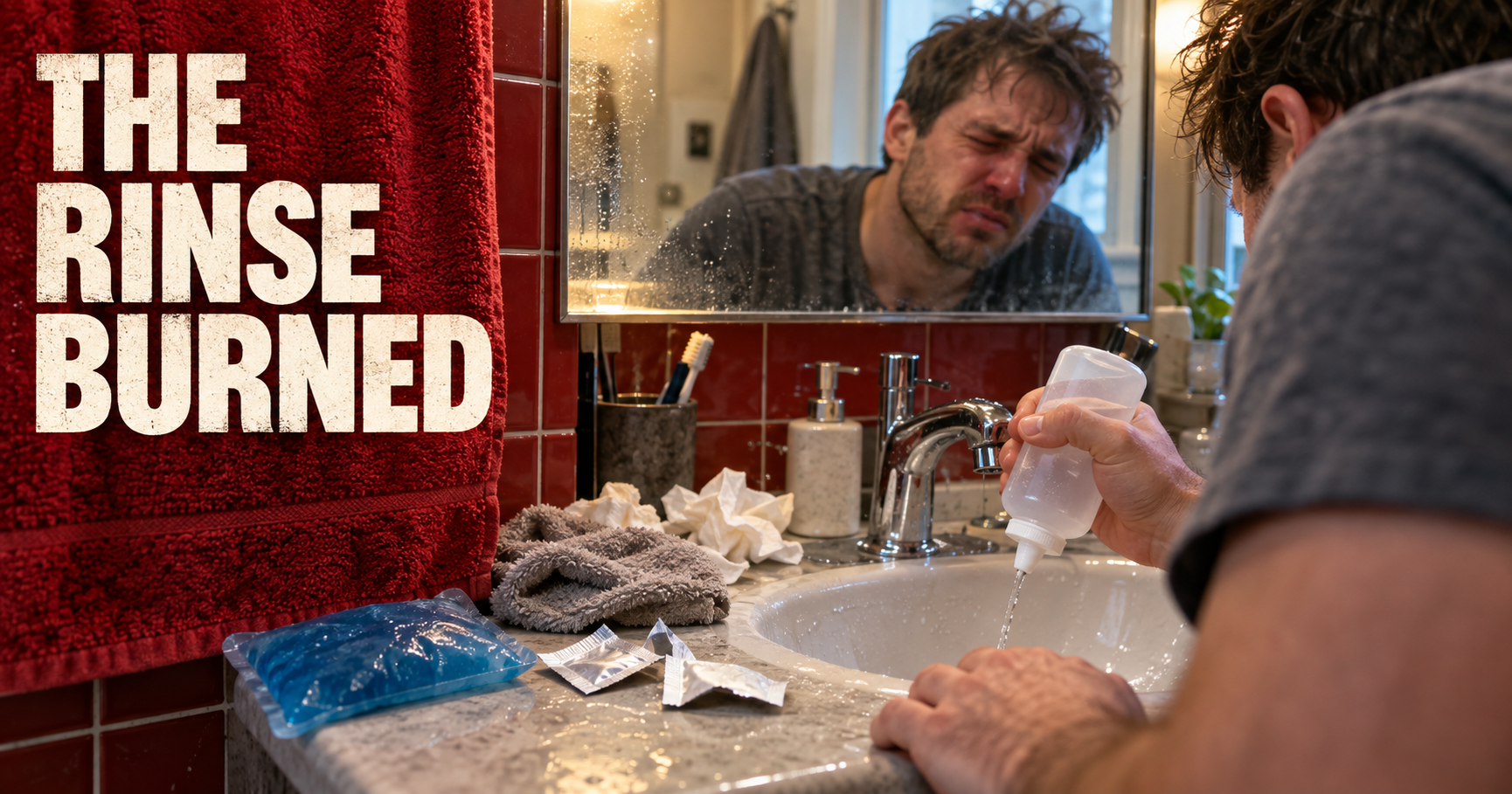
When I tried to rinse, the saline often felt like it hit a wall. Instead of flowing through smoothly, it backed up, stung, dripped out, or seemed to go nowhere useful. My nose was swollen shut, the stents were taking up space, and the front of my nostrils had dried blood and crusting.
It was frustrating because I wanted relief so badly. I wanted to clear out the pressure. But I also had to remember that my surgeon’s instructions mattered more than forcing a rinse to work perfectly.
If your rinse is painful, refuses to flow, or you are unsure how hard to squeeze, call the surgical office and ask. Do not assume your experience should match somebody else’s recovery video or internet instructions. Your exact surgery, splints, and timeline may be different.
How Long Did My Stents Stay In?
My stents came out on day 7.
That first week felt very long. By the time I got close to the appointment, I was counting the hours. The stents had been one of the worst parts of my recovery, right along with the swelling, burning stitches, blocked breathing, and pain around my upper teeth.
Once they came out, I noticed some improvement. It was not like a switch flipped and everything was suddenly normal. I was still swollen, sore, dry, tired, and healing. But removing that constant hard pressure inside my nose was a real step forward.
Your own timeline may be different. Some surgeons remove splints within several days, while others may leave them longer depending on what was done during surgery and how healing looks. Your surgeon’s plan is the one that matters.
The important thing I learned is that stent removal is often a milestone, not the finish line. You may feel relief afterward, but your nose can still be congested and tender while the inside continues to heal.
What Stent Removal Felt Like for Me
I had built it up in my head because I was so desperate to get them out. The removal itself was uncomfortable, but it was fast. For me, it was nowhere close to as bad as living with them day and night for a full week.
The weirdest part was realizing there was actually more space in my nose after they were gone. I had gotten so used to that full, stuffed-up feeling that even a little more room felt noticeable.
I still had swelling and crusting afterward, so I could not suddenly breathe perfectly through both sides of my nose. But I did feel less pressure and less of that constant pulling whenever I moved my face.

Do not panic if you still feel blocked after your stents come out. I did not walk out of that appointment breathing like I had never had sinus problems. Healing was still happening. I just had one big obstacle out of the way. For more context on why breathing can remain difficult, see this explanation of being blocked after stents come out.

What Helped Me Survive the Week With Stents
I am careful calling anything a cure because nothing truly fixed the discomfort while the stents were still inside. These are the things that made the days more manageable for me.
I Rested My Face as Much as I Could
I talked less than usual because talking pulled on my upper lip and made the stent pain flare. I ate softer foods because chewing and opening my mouth wide were miserable.
That sounds simple, but it helped. My face needed rest just as much as my body did.
I Used Cold Carefully

Ice packs around my cheeks and upper face gave me short breaks from the throbbing. I could not leave them on too long because my skin started burning, but short, careful use helped take the edge off.
I Kept the Air From Getting Too Dry

Mouth breathing dried out my lips, throat, and mouth quickly. Running a humidifier did not remove the stents or clear my nose, but it helped with the dry, miserable feeling that came from breathing through my mouth all night. For readers also dealing with moisture-related sinus discomfort at home, controlling moisture in your home explains the other side of humidity control.
I Did Not Pull at Anything Inside My Nose
This part was hard. When you feel something in your nostril and everything is crusted over, it is tempting to poke, tug, or try to free it yourself.
I did my best to leave the internal stuff alone and follow my surgeon’s care instructions. Stents are usually secured in place for a reason. Trying to move them, cut a stitch, or pull at something that looks loose is not worth the chance of bleeding or damaging healing tissue.
When Stent Pain Is Worth Calling Your ENT About
I do not think you should feel embarrassed for calling the surgeon’s office after nose surgery. You are not bothering them by asking whether something feels normal.
I would call if:
- Your pain suddenly becomes much worse instead of gradually improving
- You have heavy bleeding that does not settle down with your surgeon’s instructions
- You develop a fever, worsening redness, pus-like drainage, or a foul smell
- A stent seems to shift, stick out much farther than before, or feels like it is cutting into tissue
- You think a stitch has come loose or the stent is no longer sitting where it should
- You cannot keep fluids down or your pain is not controlled with the plan your surgeon gave you
- You simply have a strong feeling that something is not right
The internet can tell you that discomfort is common, but it cannot see your nose or know exactly what your surgeon did. If you are worried, call.

The Stents Were Not the Only Hard Part
The stents did not exist by themselves. They were part of a whole difficult early recovery for me.
I had swelling, dried blood, crusting, burning stitches, upper-lip pain, pressure behind my teeth, mouth breathing, poor sleep, and the mental exhaustion that comes from hurting around the clock. The stents made all of that feel more intense because they were a constant reminder that my nose was blocked and healing.
My complete septoplasty recovery timeline shares how those days unfolded in real time. I wrote it because too many recovery articles make it sound like everyone is fine after a day or two. Some people may have an easier recovery. Mine was not easy, and I know I would have felt less blindsided if I had read a more honest account beforehand.
You Will Not Have Them Forever

When I was in the middle of that first week, day 7 felt far away. It felt like the stents were going to be part of my life forever because I could not get comfortable, sleep normally, or take my mind off the pressure. The account of nighttime pain and pressure after septoplasty explains why that pressure can feel especially intense when you are trying to sleep.
But they did come out. And while recovery was not finished, having them removed gave me a little room to breathe, a little less pain when I moved my face, and a real sign that I was moving forward.
If you are still wearing nasal stents after septoplasty, follow your own surgeon’s instructions, do not mess with the stents yourself, and call if anything seems off. They may be one of the roughest parts of recovery, but they are temporary.
About the Author: Dax Weaver shares his firsthand experience with septoplasty and sinus-surgery recovery on Sinus Struggles, including the uncomfortable details people are rarely warned about before surgery.