
The Only Ice Pack That Worked on My Septoplasty Pain
Struggling with sinus surgery pain? Here’s the best ice pack setup I used after septoplasty—including a DIY trick for under-the-nose swelling. Learn what truly worked.
Struggling with sinus surgery pain? Here’s the best ice pack setup I used after septoplasty—including a DIY trick for under-the-nose swelling. Learn what truly worked.
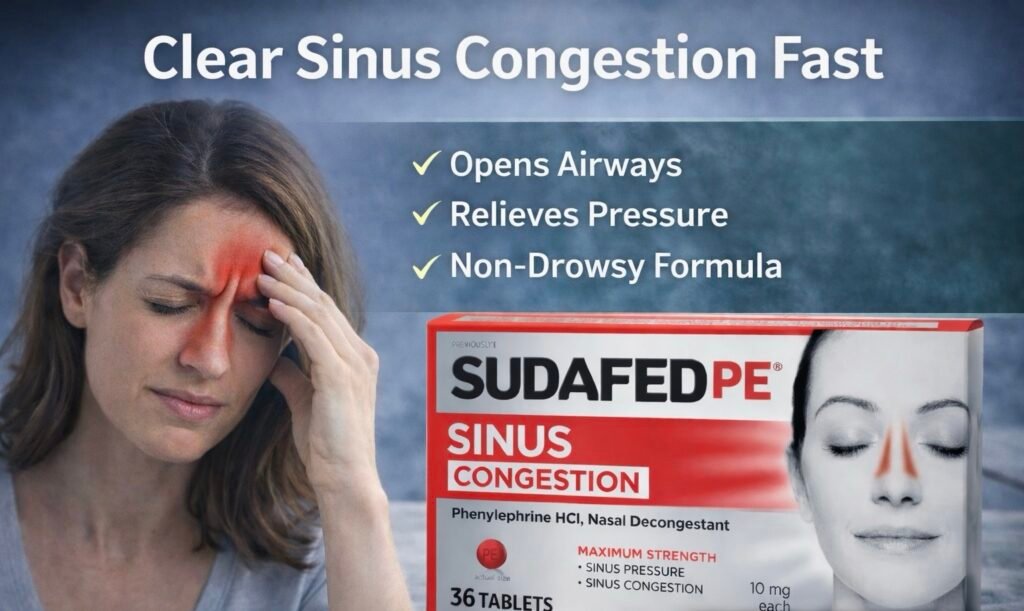
Sudafed PE works by reducing the swelling that narrows your nasal passages, which can ease pressure, trapped mucus, and difficult breathing. This review looks at its non-drowsy tablet format and why it may suit daytime congestion from colds or allergies.
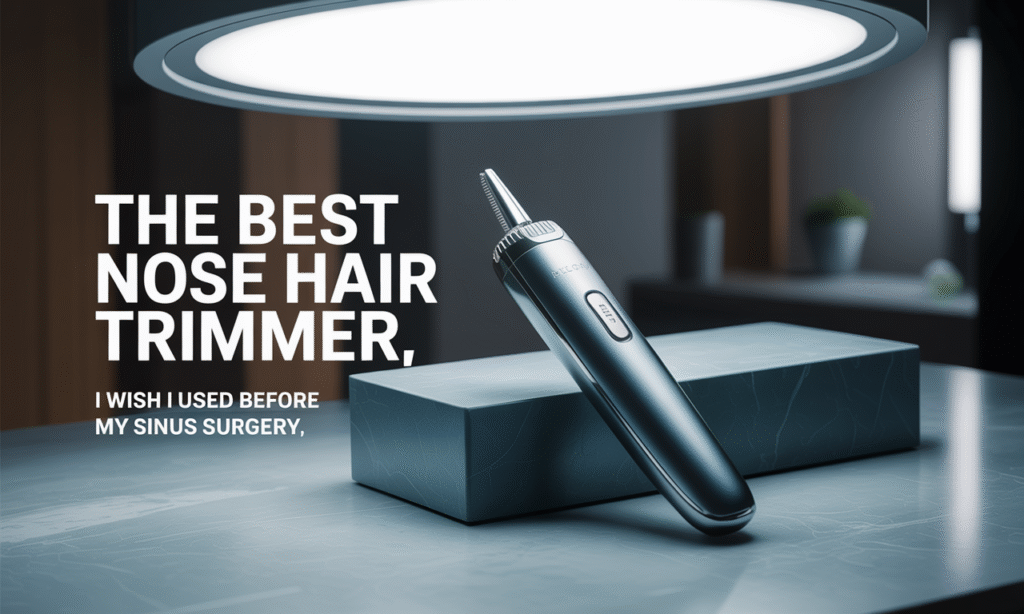
No one told me to trim my nose hair before septoplasty—big mistake. Discover the nose hair trimmer I now swear by and why it’s a must-have for sinus surgery prep and recovery.
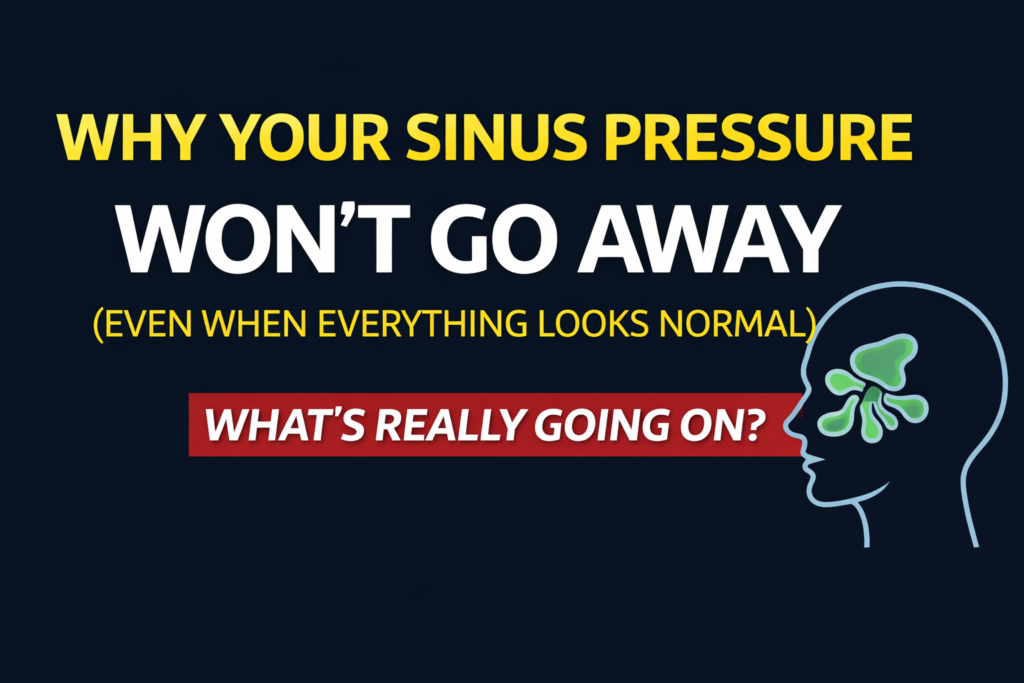
A normal CT scan does not always mean your sinuses are functioning normally. Mild inflammation, thick mucus, poor drainage, and sensitive tissue can still create daily pressure, so this breakdown explains what may be happening and which practical fixes actually help.
Up to 90 percent of self-diagnosed sinus headaches are actually migraines. Fever, discolored mucus, and pain after a cold point toward sinus infection, while nausea, light sensitivity, repeated attacks, and worsening with activity point toward migraine.
A normal sinus CT does not necessarily explain constant pressure, and repeated antibiotics may miss the real problem. Chronic sinusitis often survives because allergies, indoor air, dryness, structural issues, and inflammation are feeding the cycle together.
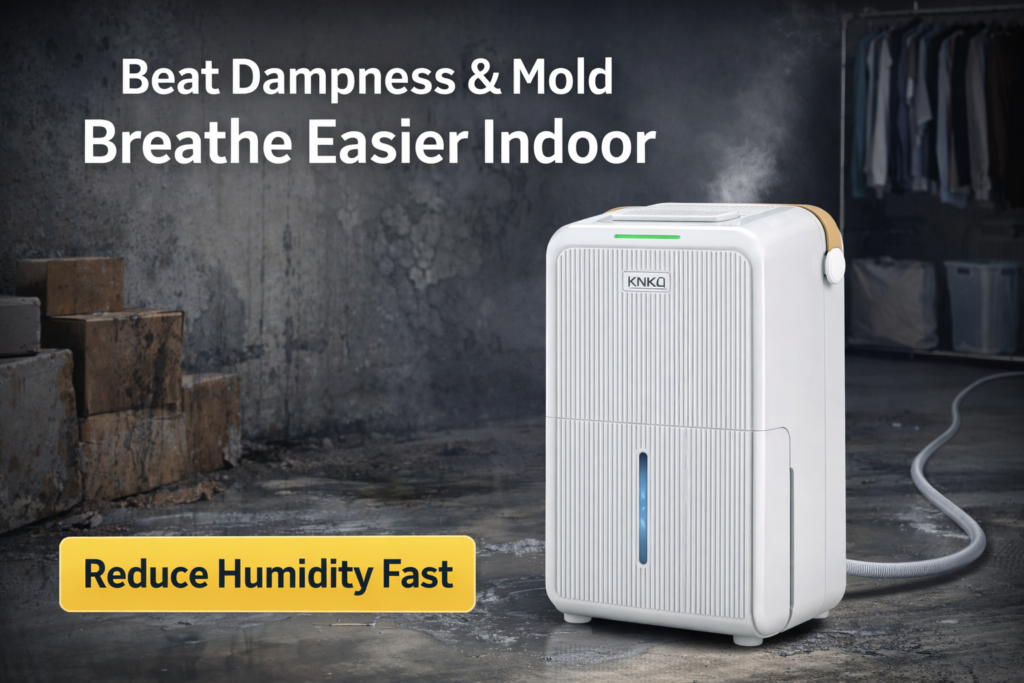
If your sinuses feel worse in a basement or humid room, excess moisture may be feeding mold, dust mites, and congestion. This 2,500-square-foot dehumidifier offers continuous drainage and smart humidity control for damp spaces.
Feel off balance but not spinning? Learn how sinus pressure, ear dysfunction, and brain fog are all connected and how to fix it.
Post nasal drip that gets dramatically worse when you lie down may be pooling mucus rather than producing more of it. Learn how gravity, silent reflux, allergies, dry air, medications, and throat-clearing habits can point to very different solutions.
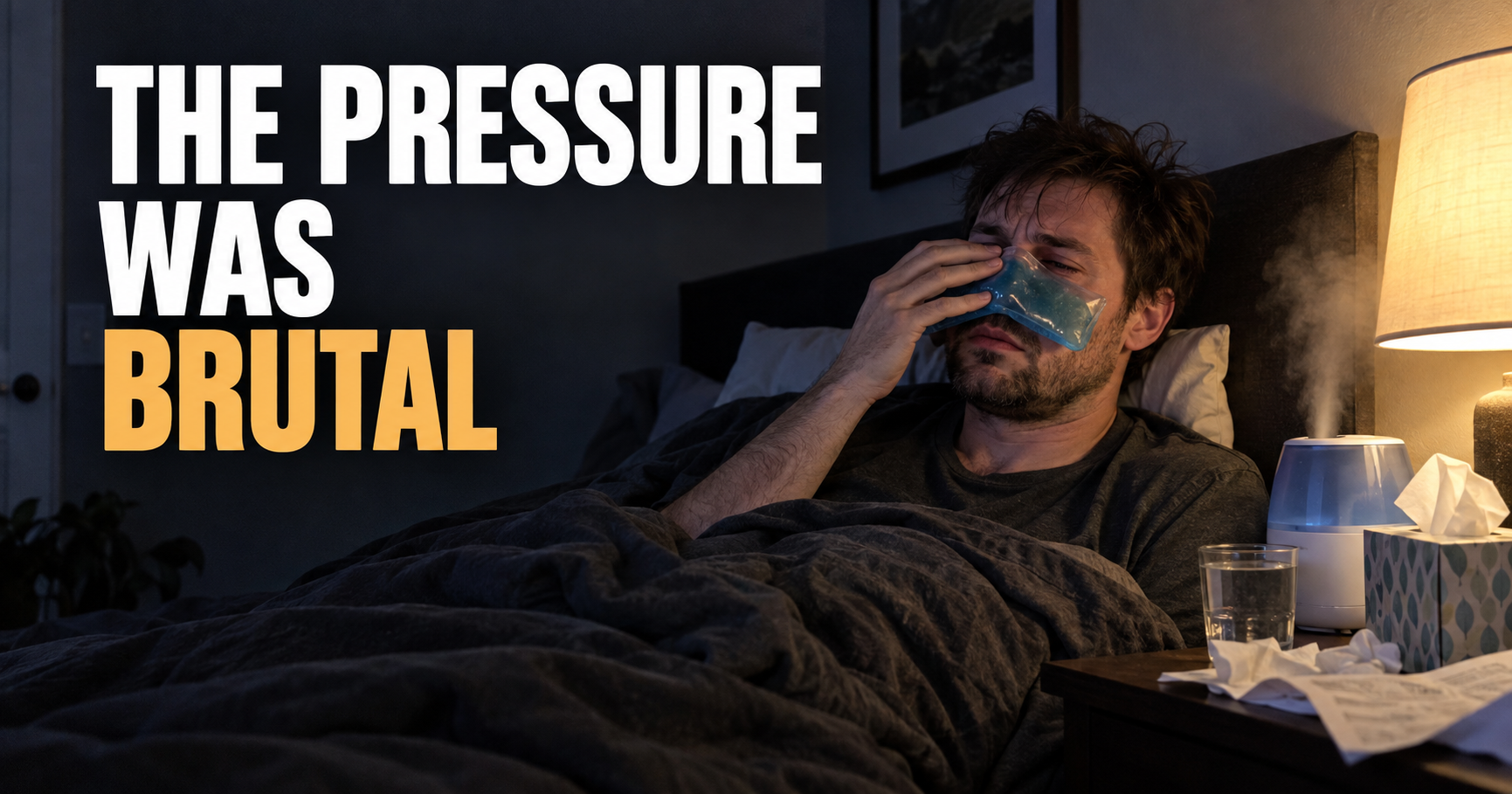
Nasal stents after septoplasty hurt more than I expected. Here is what mine felt like, when they came out, and when to call your ENT.
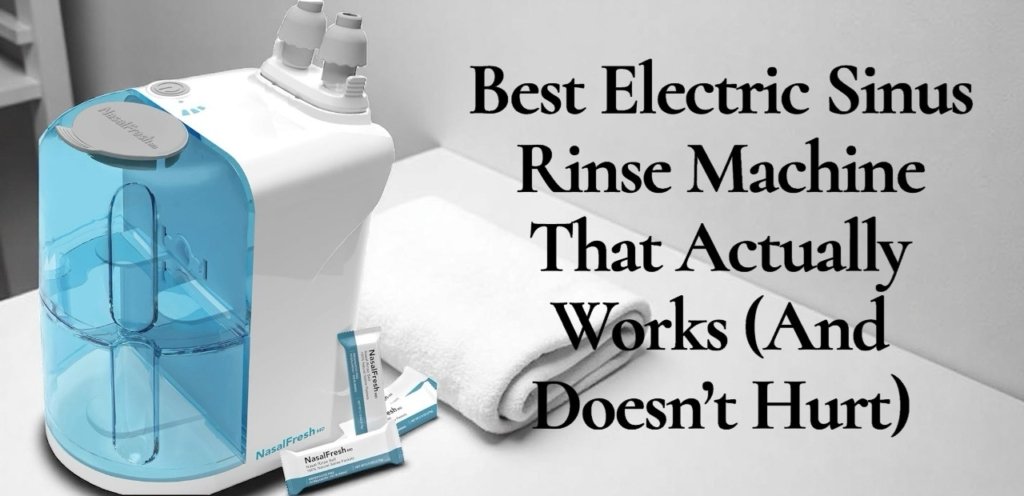
Discover the electric sinus rinse machine that made my septoplasty recovery easier, cleaner, and faster. See why I ditched the squeeze bottle and never looked back.
Constant sinus pressure, ear clicking, and dizziness explained. Real causes and proven ways to finally feel normal again.