My nose hurt worse at night after septoplasty because nighttime took away every distraction I had during the day. Once the house got quiet and I tried to lie down, I could feel every bit of swelling, pressure, stent pain, dryness, mouth breathing, and throbbing in my face.
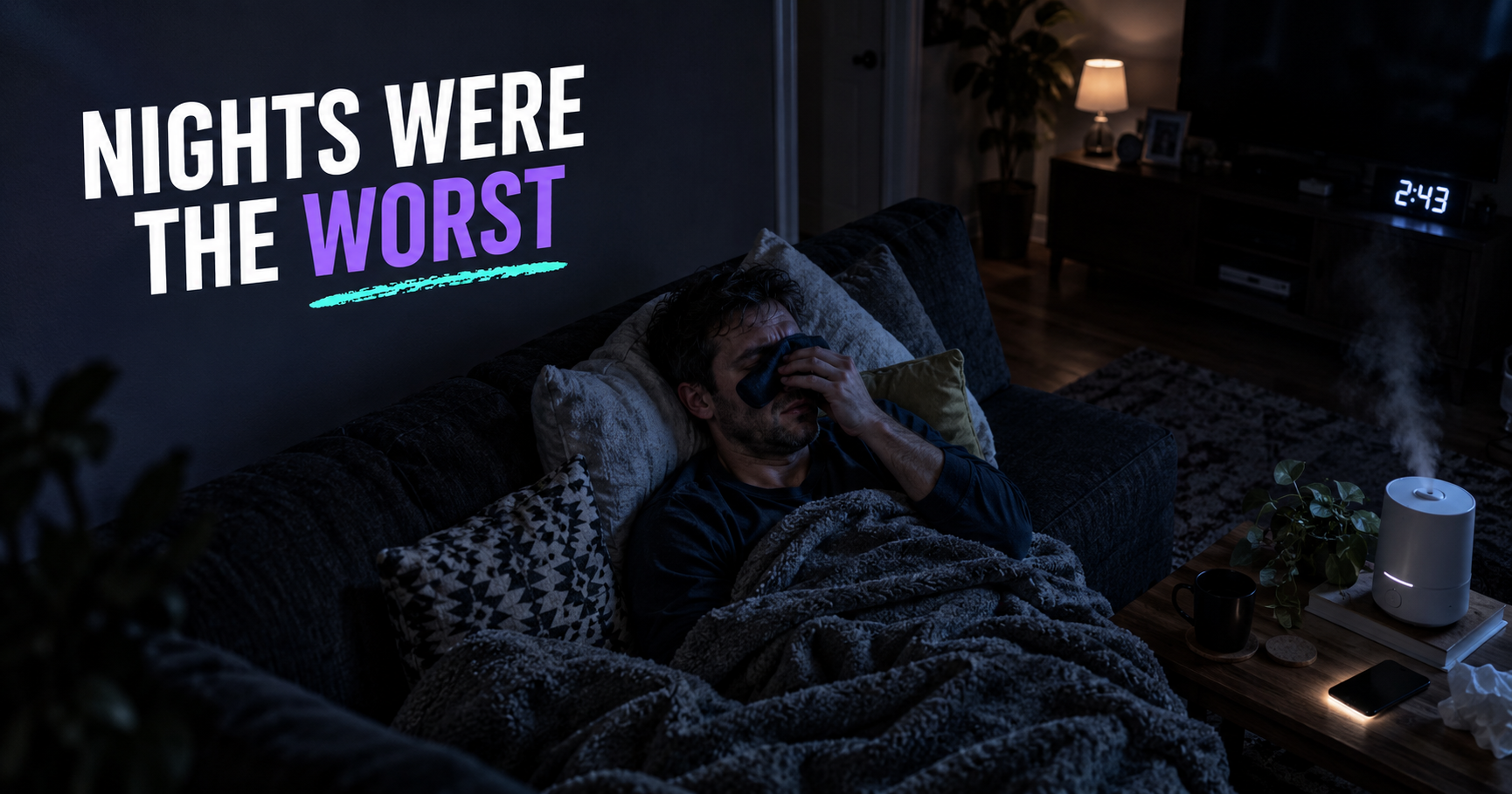
The first few nights were brutal. I could not breathe through my nose. My face hurt. My upper lip and teeth hurt. My mouth was dry from breathing through it nonstop. I was exhausted, but I could not get comfortable enough to sleep for long.
If your nose hurts worse at night after septoplasty, you are not imagining it. The pain can feel more intense when you are tired, swollen, lying down, and trying to rest with a blocked nose.
Here is why my nights were so much harder than the daytime, what I did to make them more manageable, and when nighttime pain is worth calling the ENT about.
Why Nighttime Made Everything Feel Worse
During the day, I still hurt, but there were little things to break up the misery. I might be sitting up, drinking water, trying to walk a little, talking to my wife, or dealing with my recovery routine.
At night, there was nothing to focus on except the pain.
I would settle into the recliner, turn off the lights, and suddenly every pressure point in my nose felt louder. My nose felt stuffed full. My face throbbed. The stents felt more noticeable. My mouth was dry. I was tired enough to fall asleep, but uncomfortable enough that I kept waking up.
The pain did not necessarily change because something new was wrong every night. It felt worse because everything stacked up at once.
Lying Down Made the Pressure Feel Stronger
I could not lie flat comfortably after surgery.
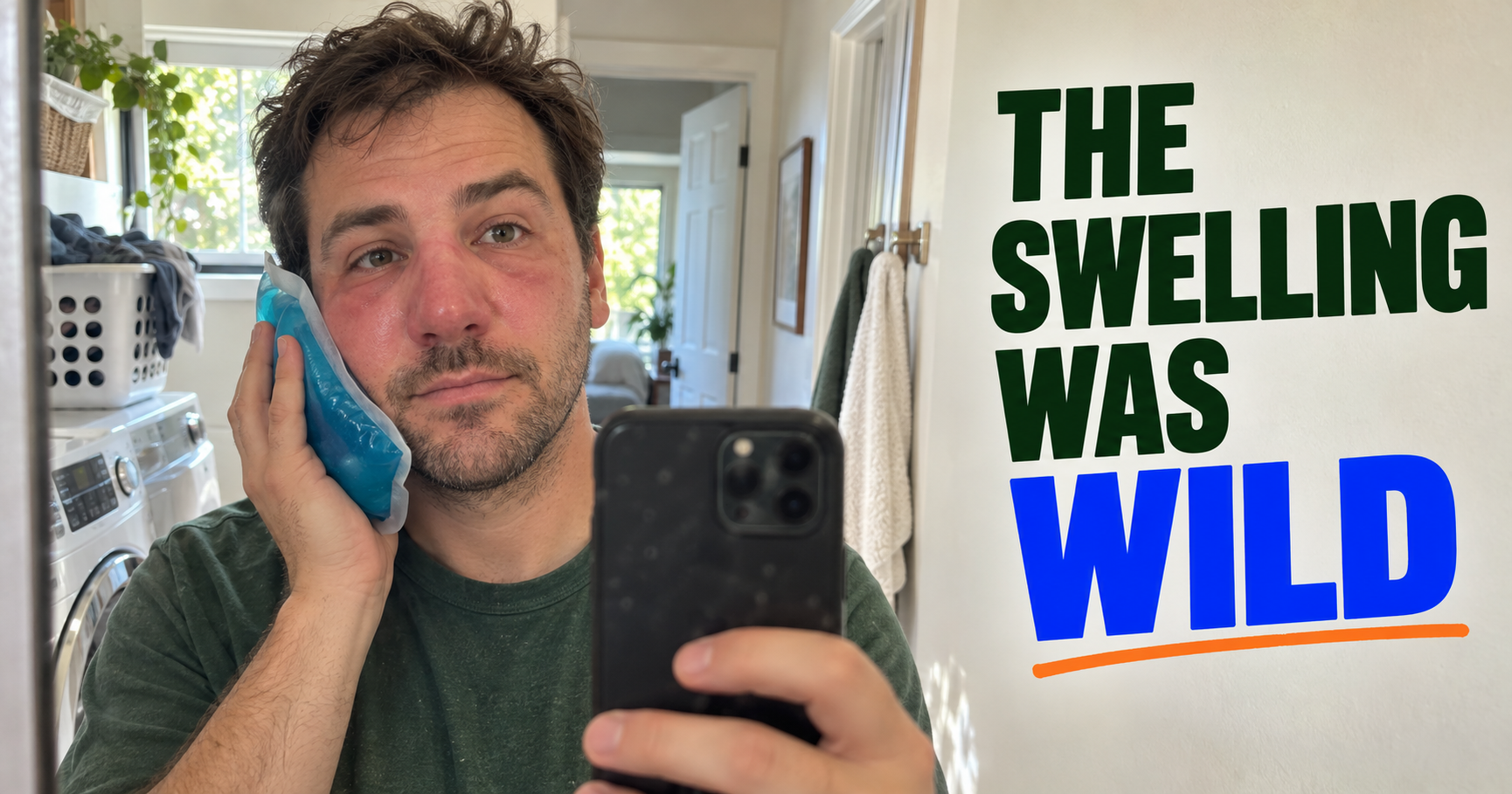
When I tried, the pressure in my nose and face felt worse. My nose was already swollen and blocked. Lying down made me feel like all the heaviness settled right into my cheeks, upper lip, and nose.
I spent a lot of my recovery propped up or in a recliner. It was not perfect, but it was better than lying flat and feeling like I had a bowling ball sitting in the middle of my face.
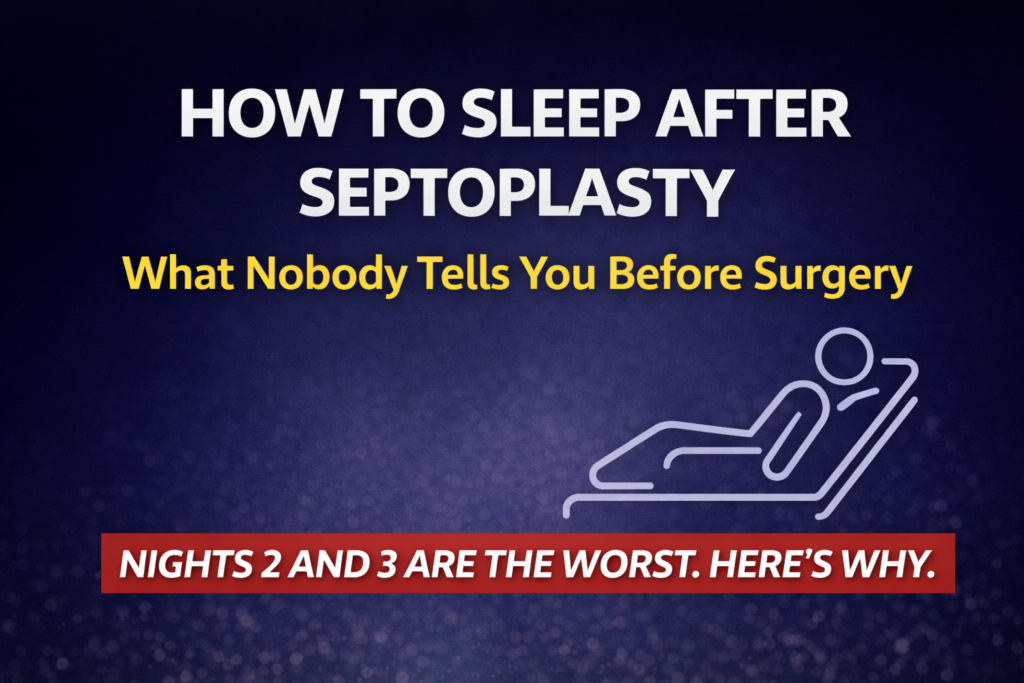
That is why my septoplasty sleep setup became such a big part of recovery. I had to stop expecting normal sleep and focus on finding a position that was at least tolerable.
My Blocked Nose Made Sleep Miserable
My nose was not just stuffy at night. It felt sealed shut.
I had swelling, dried blood, crusting, stitches, and stents all taking up space. I could not take a normal breath through my nose, so I was mouth breathing while trying to sleep.
That led to a miserable cycle.
- My nose was blocked
- I had to breathe through my mouth
- My mouth and lips dried out
- The dryness woke me up
- I became more tired and more aware of the pain
- Falling asleep again became even harder
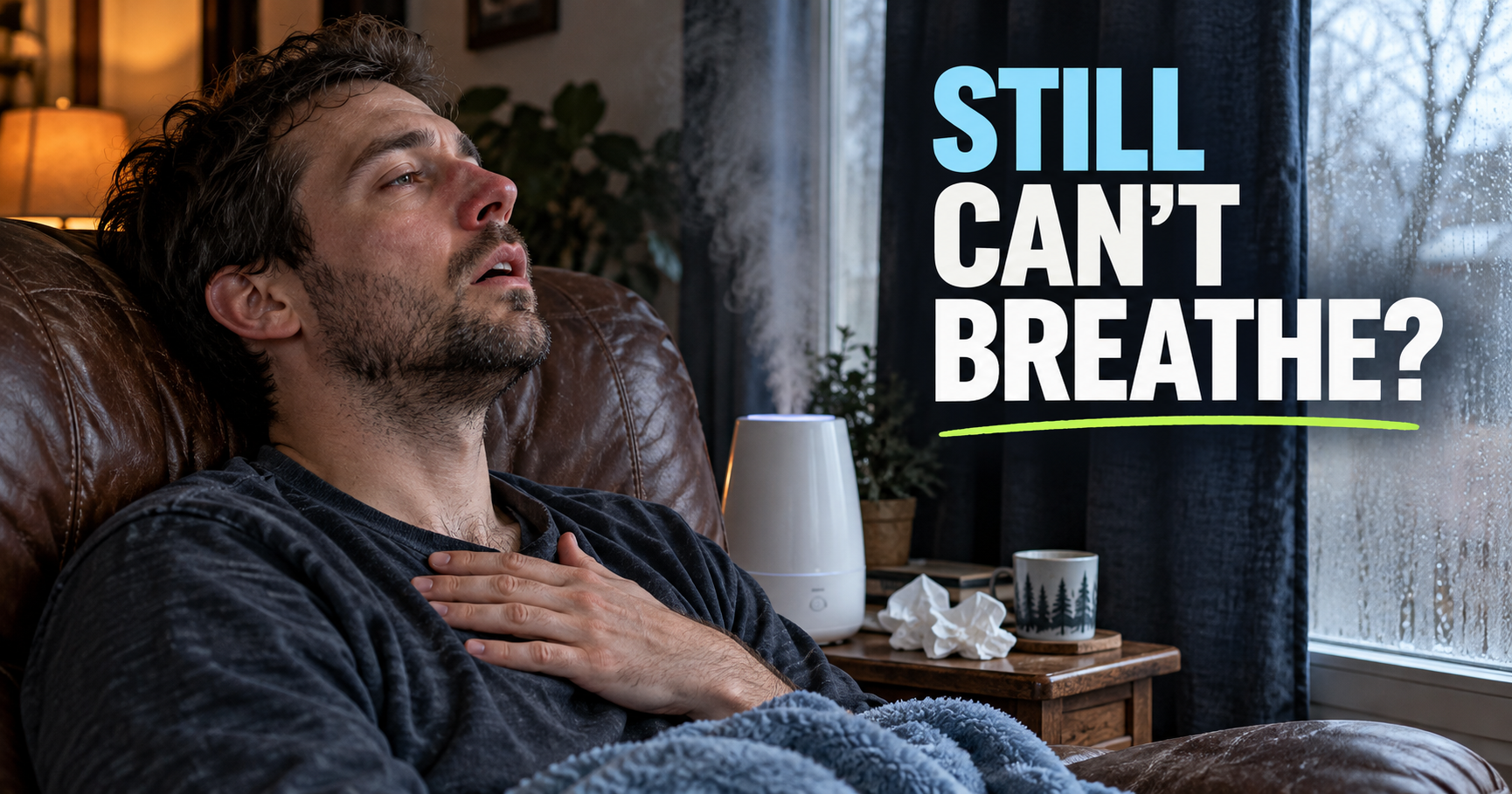
The blocked nose was one of the biggest reasons nighttime felt so rough. I wrote more about why my nose stayed clogged after surgery because I think people need to know that early congestion can feel worse than they expect.
The Stents Were Harder to Ignore at Night
During the day, I could move around a little and distract myself. At night, I could feel the stents constantly.
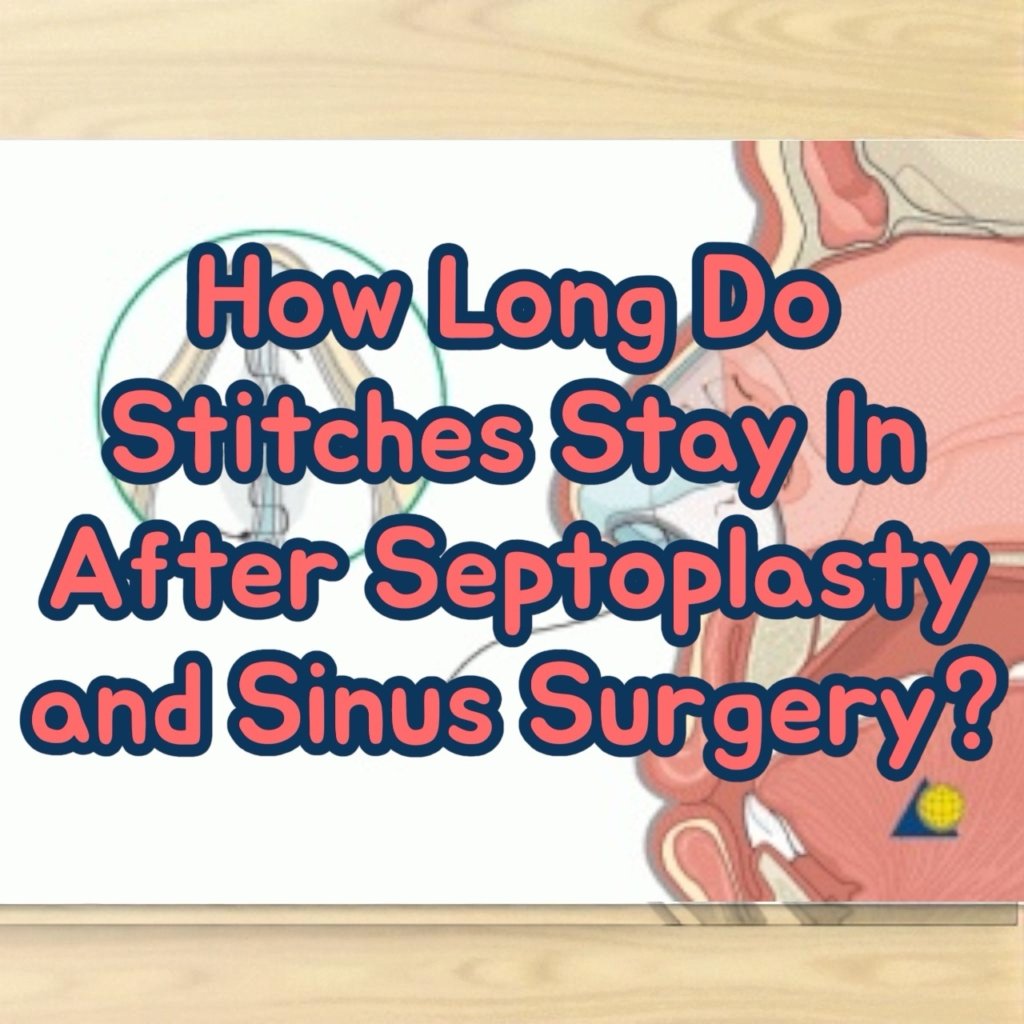
Any movement in my upper lip, any change in position, or even trying to settle my face into a pillow made me aware they were there. They felt like hard plastic supports pressing on already swollen, irritated tissue.
I could not breathe through them normally, and I could not forget about them.
That is what made nighttime so mentally draining. I knew the stents were temporary. But when you are awake at 2:00 in the morning, have not slept much, and feel pressure inside your nose every second, temporary can still feel very long.
Why the Pain Throbbed More When I Tried to Rest
My pain had a throbbing quality during the worst days. My nose felt hot, swollen, and tight. I could feel pressure in my upper lip, behind my front teeth, and around the center of my face.
At night, when I stopped moving around, I noticed every pulse.
It was not only nose pain either. My cheeks, jaw, mouth, lips, and roof of my mouth all seemed to be part of the same irritated area. If I shifted my face, yawned, tried to swallow, or adjusted my pillows, something hurt.
The lack of sleep made it harder to handle. After a few nights of only sleeping in short stretches, I was exhausted and foggy. Pain feels different when you are rested. It feels much bigger when you have barely slept.
Dry Mouth Made the Nights Even Worse
Mouth breathing dried me out badly.
I would wake up with dry lips, a dry throat, and that awful cotton-mouth feeling. I kept water near me because I knew I would need it.
The trouble was that every time I woke up for water, I was fully aware again of the swelling and pain. I would take a drink, adjust my pillows, try to settle back down, and then start the whole process over.
My dry-mouth article goes into more detail about that part of recovery, but it was definitely one of the reasons I dreaded nighttime. I could not breathe through my nose, and my mouth was paying the price for it.

What Helped Me Make It Through the Nights
Nothing turned my nights into good nights during the roughest part of recovery. I do not want to act like I found some magic trick that made it easy.
But a few things gave me short breaks.
I Slept Propped Up
The recliner became my best option. I used pillows to support my head and upper body so I was not flat on my back.
Being propped up did not remove the swelling, but it helped reduce the feeling of pressure compared with lying down normally.
I Used Ice in Short Rounds
Ice helped numb the throbbing for a little while.
I had to be careful not to overdo it because my skin started to burn if I kept ice on too long. Still, those short breaks mattered when my nose and cheeks felt hot and swollen.
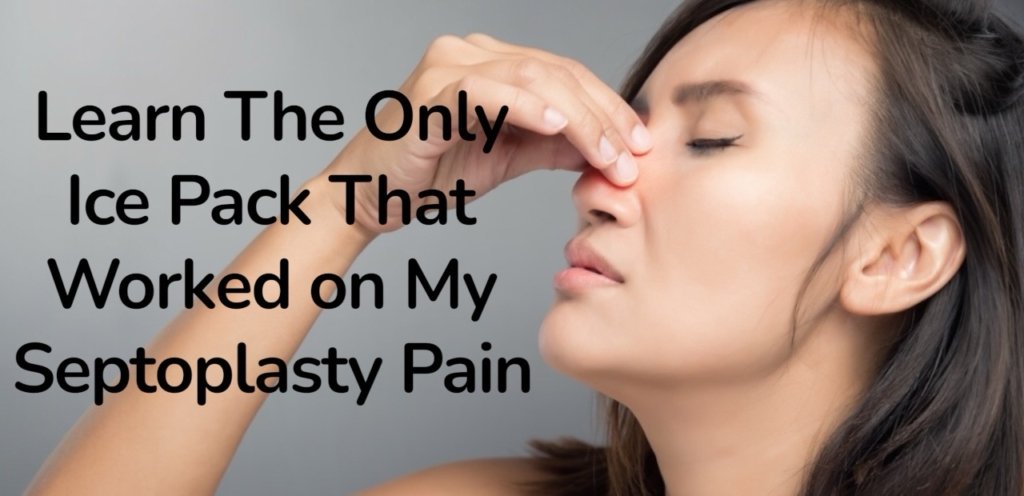
The ice pack that worked best for my face was not a cure. It was simply one of the few things that gave me a temporary break from the pounding pressure.
I Kept Water and Lip Balm Within Reach
I did not want to get up every time my mouth got dry. I kept water close by and used lip balm constantly.
That small setup made the night less disruptive. When I woke up mouth breathing, I could take care of the dryness without having to fully get up and reset myself.
I Lowered My Expectations
This was probably the hardest part.
I had to stop expecting eight straight hours of sleep. During the roughest days, I was lucky to sleep for an hour at a time. Sometimes it was less.
Once I accepted that I was in survival mode for a little while, I stopped getting as angry every time I woke up. I focused on resting whenever I could instead of judging the night by whether it looked normal.
The Nights Were Worst During My Roughest Recovery Days
My pain was at its worst around days 3 through 5.
That was when the swelling, pressure, stent discomfort, mouth breathing, and upper-mouth pain all peaked together. I was exhausted, emotional, and wondering how much longer I could keep going without real sleep.
By day 7, when the stents came out, I started to see some improvement. It was not an instant fix. I was still swollen, sore, and healing. But the constant internal pressure eased enough that I could tell I was moving in the right direction.
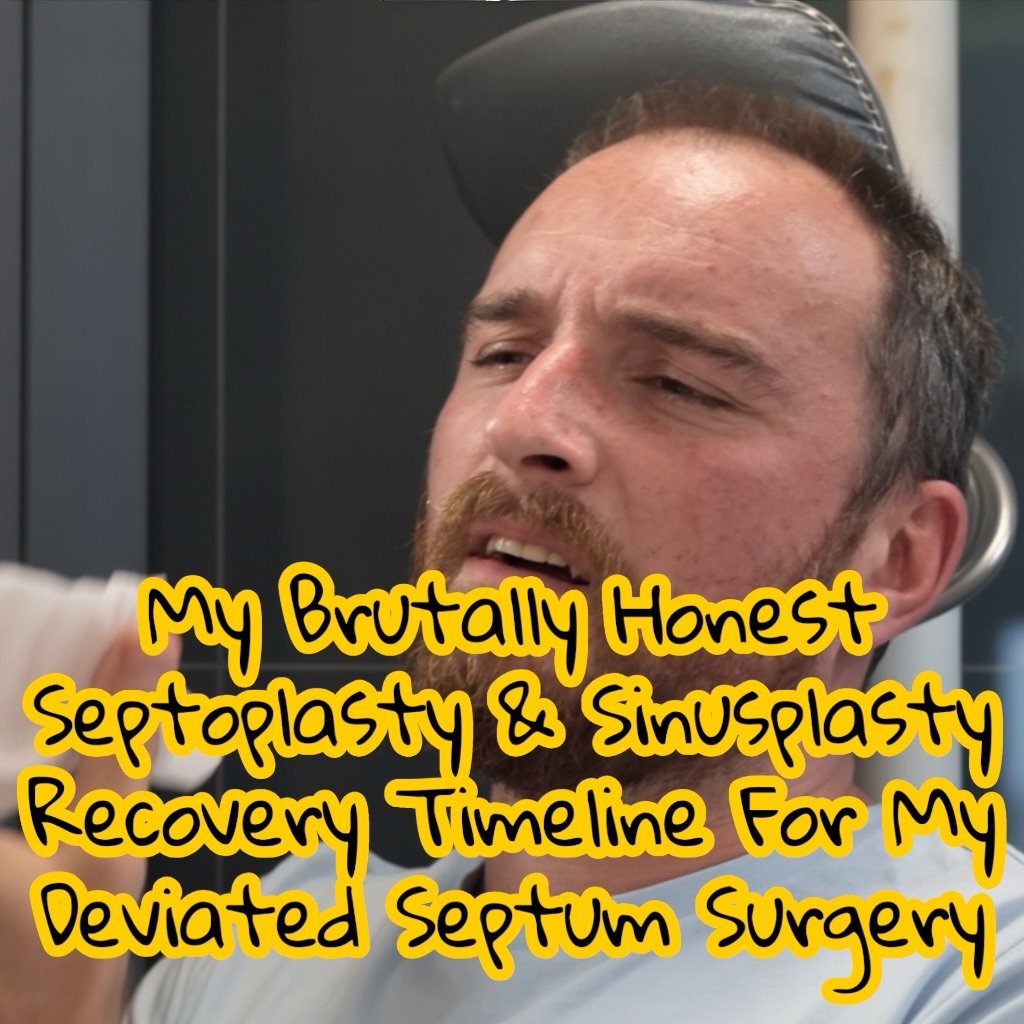
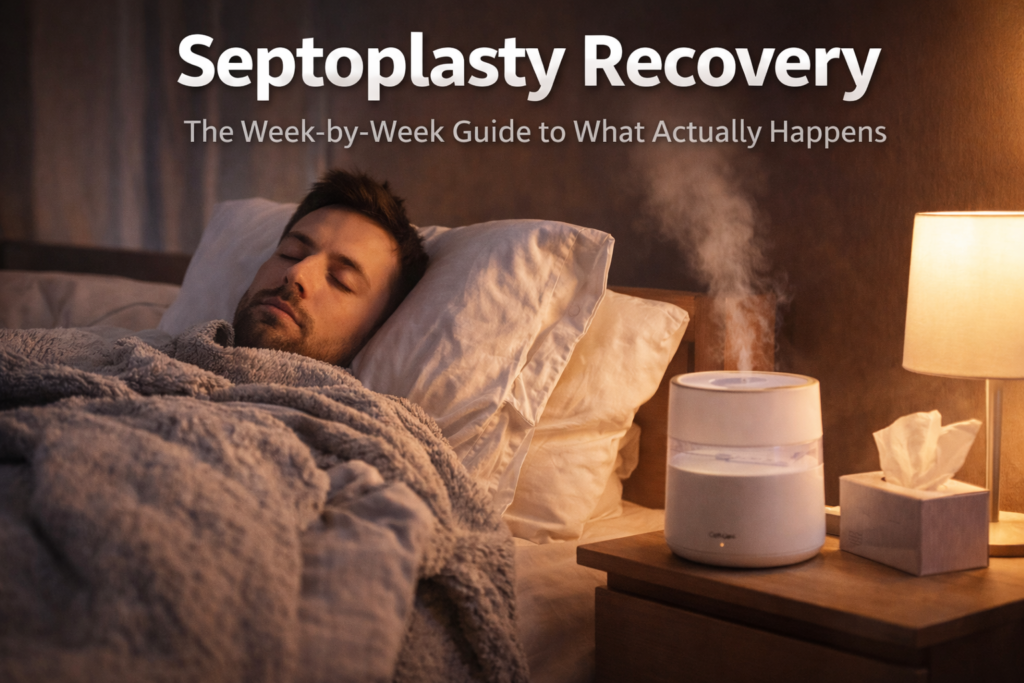
My full recovery timeline tells the whole story of those days because I wanted people to see that not every recovery feels quick or easy.
When Nighttime Pain Should Not Be Ignored
Nighttime pain can feel worse simply because you are tired and lying down. But worsening pain can also be a reason to call your ENT.
I would contact the office if:
- The pain is suddenly much worse than it was earlier
- Pain is getting worse each day instead of slowly improving
- You have fever, chills, or feel sick beyond normal recovery fatigue
- You notice worsening redness, swelling, pus-like drainage, or a strong foul smell
- You have heavy bleeding
- A stent or splint seems to have shifted
- You cannot drink enough fluids because of pain or nausea
- You have a severe headache, vision changes, or anything that feels alarming
You do not have to wait until morning if something feels truly wrong. Follow the contact instructions your surgical team gave you.
The First Nights Do Not Last Forever
When I was in the middle of it, nighttime felt endless. I would look at the clock after another miserable hour and feel like I would never sleep normally again.
But the first few nights were not the finished result of surgery. They were the hardest part of early healing.
My nose needed time to get past the swelling, stents, crusting, and pressure. The pain did eventually start easing. Sleep slowly became more normal again.
If your nose hurts worse at night after septoplasty, focus on getting as comfortable as your surgeon allows, keep your head elevated, prepare your water and lip balm ahead of time, and call if the pain is moving in the wrong direction.
About the Author: Dax Weaver shares his firsthand experience with septoplasty and sinus-surgery recovery on Sinus Struggles, including the uncomfortable details people are rarely warned about before surgery.