Dry mouth after sinus surgery was one of those miserable little things nobody prepared me for. I expected my nose to hurt. I expected swelling and congestion. I did not expect my mouth, lips, throat, and tongue to feel dry all day and night because I could not breathe through my nose.
My nose was so blocked after surgery that I had no choice but to mouth breathe. Between the swelling, stents, dried blood, and crusting, I could barely get air through my nostrils. So my mouth did all the work.
That sounds like a minor inconvenience until you are doing it nonstop. My lips dried out and burned. My throat felt rough. I woke up thirsty. Talking hurt more because my upper lip and mouth were already sore. Sleep was hard enough after surgery, but waking up with a mouth that felt like sandpaper made it even worse. Dry mouth can accompany the nasal dryness and burning described in My lips dried out and burned.
If dry mouth is making your sinus-surgery recovery miserable, this is what caused mine, what helped some, and when I would stop assuming it was normal and call the ENT.
Why My Mouth Got So Dry After Surgery
The short answer is that I could not breathe through my nose.
Normally, your nose helps warm and add moisture to the air you breathe. But after surgery, my nose was swollen shut and had stents inside. I was breathing through my mouth constantly, including while I slept.
Every breath pulled moisture from my mouth and throat. The more blocked my nose felt, the worse the dryness became.
It was not only the breathing. I was also not sleeping well, I did not feel like eating or drinking much when my face hurt, and the medications left me feeling foggy and dried out. All of it stacked together.


The Blocked Nose Was the Real Problem
My dry mouth did not happen by itself. It was tied directly to the fact that my nose felt completely sealed shut.
During those early days, I could not just take a deep breath through my nose and give my mouth a break. I had internal stents, swelling, and crusting. My nose felt like a brick wall.
That is why dry mouth can be so intense after septoplasty or sinus surgery. You may be mouth breathing even if you normally never do.

I wrote more about why my nose stayed blocked after surgery because it helped me to understand that the early blockage was not necessarily the final result of the surgery. It was part of a rough healing stage.

What My Dry Mouth Actually Felt Like
Mine was more than being a little thirsty.
My lips felt dry and irritated. My throat felt rough. My tongue felt dry. I kept needing water, but drinking was not especially enjoyable because moving my mouth could pull on the sore area under my nose and upper lip.
At night, it was worse.
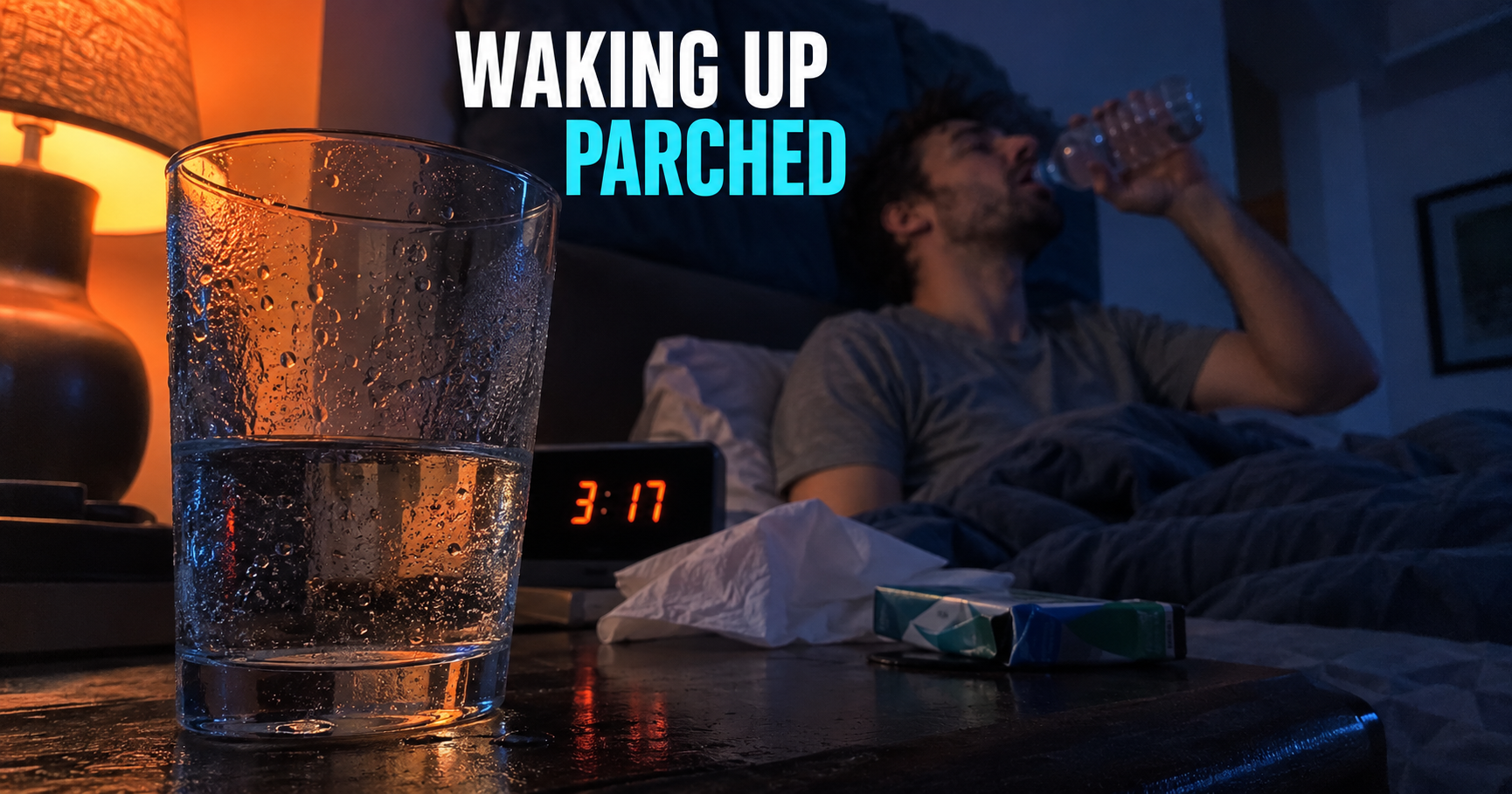
I would wake up after a short stretch of sleep with my mouth hanging open because I had no other way to breathe. My lips would feel cracked and stiff, and my throat would feel dry enough that I needed a drink right away.
The constant mouth breathing also made talking harder. My upper lip was already sore from surgery, swelling, and stitches. When my lips were dry too, every word felt more irritating than it should have.
Why Dry Mouth Can Make Recovery Feel Worse
Dry mouth will not be the main thing your surgeon talks about before septoplasty. But when you are already exhausted, in pain, and unable to breathe normally, it can make everything feel worse.
For me, it added to:
- Cracked and burning lips
- A dry sore throat
- Difficulty sleeping
- More discomfort when talking
- More irritation while eating
- That constant thirsty feeling
- Feeling even more run down and miserable
It is one of those symptoms that seems small until you cannot escape it for days.

What Helped Me the Most
Nothing completely solved my dry mouth until my nose started healing enough that I could breathe through it again. But these things helped me get through the roughest part.
Keeping Water Close All the Time
I kept water beside me because I did not want to get settled into my recliner or bed and then realize my mouth was painfully dry again.
I took small drinks often instead of waiting until I felt completely dried out. That did not fix the blocked nose, but it kept my throat from feeling quite so miserable.
Using Lip Balm Constantly
This sounds basic, but it mattered.
My lips were getting dried out from mouth breathing all day and night. When they cracked or felt tight, talking and moving my mouth hurt more. Keeping lip balm nearby gave me a little protection from that extra irritation.
I was not trying to make my lips look good. I was trying to keep them from feeling like they were splitting every time I tried to say something.
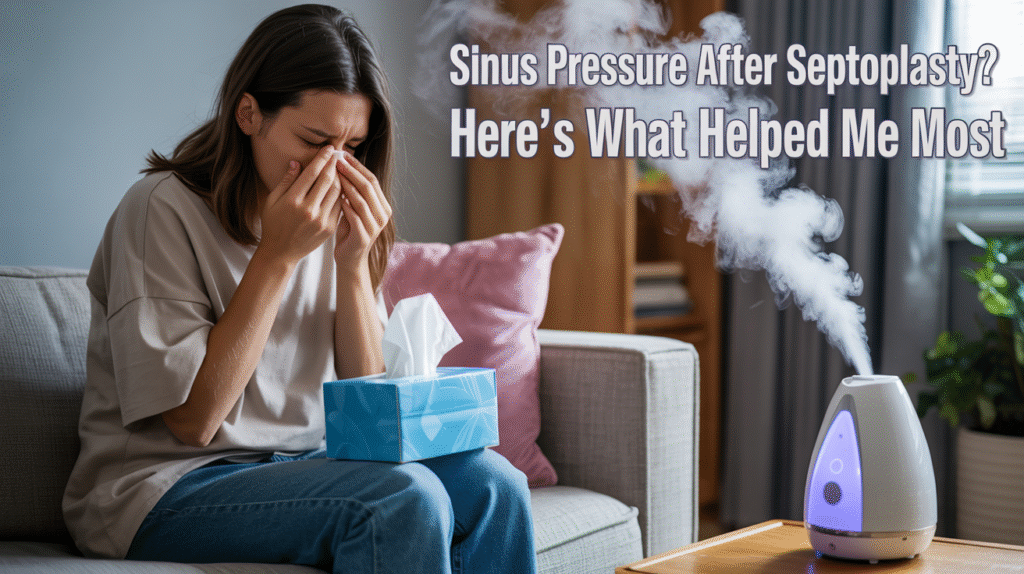
Running a Humidifier
A humidifier did not clear my nose or magically make the stents less uncomfortable. But it did make the air feel less harsh.
There were times I sat close to it because I was desperate for moisture around my mouth and nose. It was not a miracle fix, but in the middle of a miserable recovery, even small relief matters.
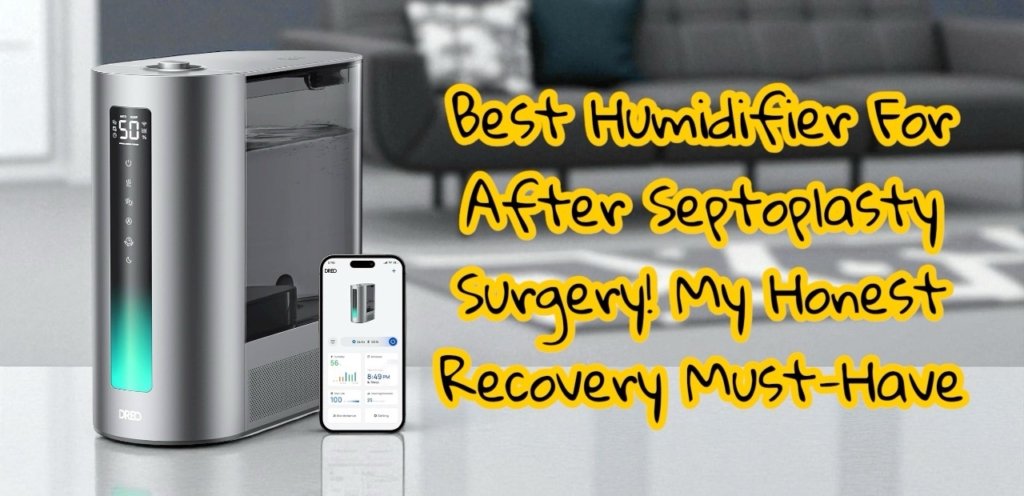
I shared more about the humidifier that helped during my recovery because dry air made every part of the experience feel worse.
Sleeping Propped Up
I already needed to stay propped up because lying flat made the pressure and congestion feel worse. It also seemed to help me avoid feeling like my mouth was falling open quite as much as when I tried to lie flat.
Sleep was still rough. I was lucky to get short stretches at a time. But being upright made me a little more comfortable than trying to sleep normally.
My honest experience trying to sleep after septoplasty explains why the recliner became my recovery spot for a while.
What I Would Not Do for Dry Mouth
I would not use dry mouth as a reason to push myself into doing something that my surgeon had told me to avoid.
I would not force air through my nose when it was swollen shut.
I would not blow my nose just to try to make mouth breathing stop.
I would not use random sprays, oils, or treatments inside my nose unless my ENT told me they were okay after surgery.
When your nose is healing, even well-meaning ideas can cause irritation. The safest move is to use the post-op plan you were given and ask the office before adding something new.

When It Started to Improve for Me
My mouth stayed dry as long as my nose was badly blocked.
A big turning point came after my stents were removed. My nose was still swollen and nowhere close to normal, but there was at least a little more room inside. That reduced some of the nonstop mouth breathing.
The improvement was gradual. I did not wake up one morning suddenly breathing perfectly through my nose. But as the swelling and blockage started easing, my mouth finally got a break too.
That is important to remember if you are in the first rough week. Your dry mouth may be tied more to the temporary blocked-nose stage than to a separate problem.
When Dry Mouth Is Worth Calling the ENT About
Some dryness can be part of mouth breathing after surgery. But I would call the surgeon’s office if it became severe, if I could not keep up with fluids, or if it came with symptoms that felt bigger than normal recovery.
I would call if:
- I could not drink enough because of pain or nausea
- I felt dizzy, faint, confused, or severely dehydrated
- My throat pain became severe or I had trouble swallowing
- My mouth had sores, bleeding, or swelling that worried me
- I had fever or signs of infection
- My nose remained completely blocked longer than my surgeon expected
- I was unsure whether a medication was making the dryness worse
You do not have to tough out every uncomfortable symptom alone. The office that did your surgery should be able to tell you what is expected for your stage of healing.

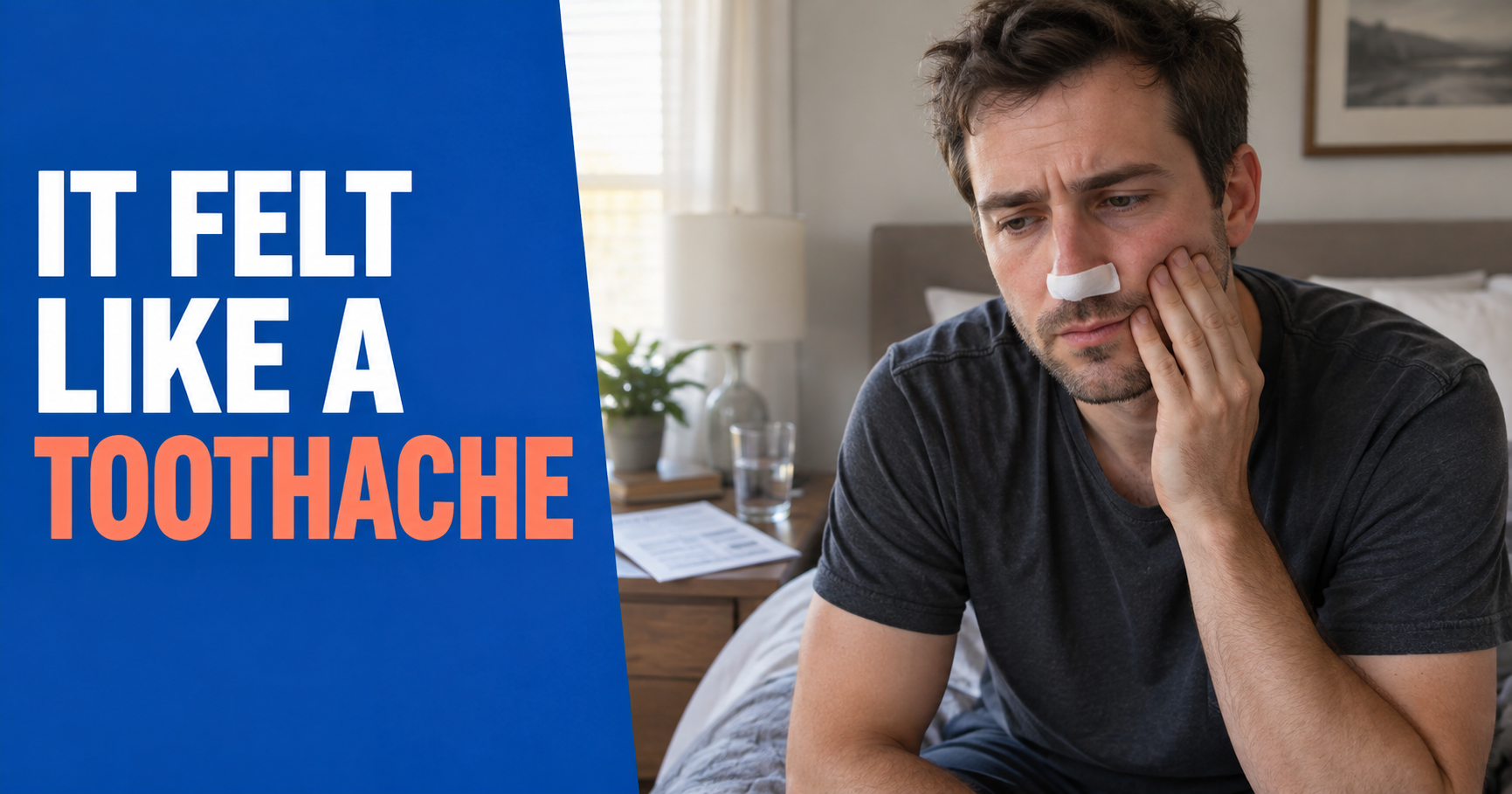
Dry Mouth Was a Big Part of My Worst Recovery Days
When I look back on the first several days after surgery, dry mouth is one of the things I remember most clearly. Not because it was worse than the stents or the swelling, but because it never gave me a break.
I could not breathe normally. I could not sleep normally. My lips hurt. My throat was dry. Every time I woke up, I needed water.
It was another reminder that sinus-surgery recovery affects more than your nose. When your nose is blocked, your mouth, throat, sleep, hydration, and comfort all get dragged into it too.
My full recovery story on Sinus Struggles shares the raw version of those early days. I started this site because I wanted people to know that the small symptoms can add up and make recovery much harder than the basic pamphlet makes it sound.
About the Author: Dax Weaver shares his firsthand experience with septoplasty and sinus-surgery recovery on Sinus Struggles, including the uncomfortable details people are rarely warned about before surgery.