
Why This Type of Dizziness Is So Confusing
If you’ve been feeling dizzy but NOT like the room is spinning, you already know how hard it is to explain.
It’s not classic vertigo.
It’s more like:
- feeling off balance
- floaty or spaced out
- disconnected from your surroundings
- mentally foggy
- like your head just isn’t right
And the worst part?
It’s constant
Not just when you stand up. Not just randomly.
All day.


What Most People Try To Search
People dealing with this often search things like:
- “why do I feel off balance but not dizzy”
- “floaty head feeling causes”
- “why do I feel spaced out all the time”
- “lightheaded but not fainting”
And most of the answers they find don’t really connect all the dots.



The Key Difference: This Isn’t True Vertigo
Let’s clear something up right away.
True vertigo feels like:
- the room is spinning
- sudden intense episodes
- hard to stand or walk
What you’re likely feeling:
- steady, ongoing imbalance
- pressure in your head
- mild dizziness all day
- brain fog
This is a completely different type of issue
The Real Cause Usually Isn’t Just One Thing
Most people dealing with this are dealing with a combination of:
- sinus pressure
- Eustachian tube dysfunction
- inner ear imbalance
- chronic inflammation


How Sinus Pressure Triggers That “Off” Feeling
Your sinuses are not just empty spaces.
They affect:
- pressure in your head
- airflow
- drainage
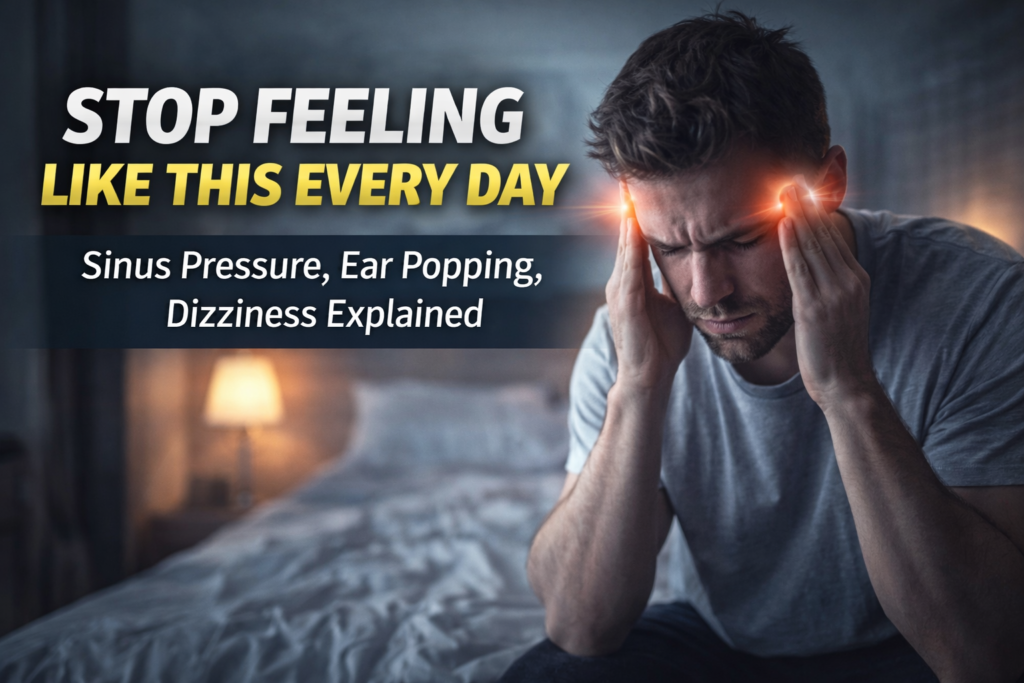
When they’re inflamed:
pressure builds and never fully releases
This creates that:
- heavy head feeling
- pressure behind eyes
- constant discomfort
If this sounds familiar, read this full breakdown:
why you feel like you have a cold every day and it won’t go away
The Ear Connection Most People Miss
Your ears do more than just hear.
They control your balance.
Inside your ear is your vestibular system.
When ear pressure is off, even slightly:
your brain gets mixed signals
That leads to:
- feeling off balance
- mild dizziness
- “floating” sensation


Why Ear Clicking and Dizziness Often Go Together
If your ears:
- click constantly
- pop all day
- never feel stable
That means your pressure system isn’t regulating correctly.
This directly connects to your symptoms.

If you’re dealing with this, read this next:
why your ears constantly click but never feel open
Why You Feel The Same Everywhere
This is one of the biggest clues.
If your symptoms don’t change:
- at home
- at work
- in hotels
then your system is stuck in a loop
It started with irritation…
Now your body keeps repeating it.



Why Doctors Say Everything Is “Normal”
Most tests check for:
- tumors
- blockages
- infections
- fluid
But they don’t measure:
- pressure instability
- inflammation levels
- how your balance system is adapting
So everything looks normal…
But you still feel terrible.
The Brain Fog Connection
This is one of the hardest symptoms to explain.
People describe it as:
- not feeling present
- mentally slow
- disconnected
- “not human”
This happens because:
your brain is constantly trying to correct balance signals
That uses energy and affects focus.

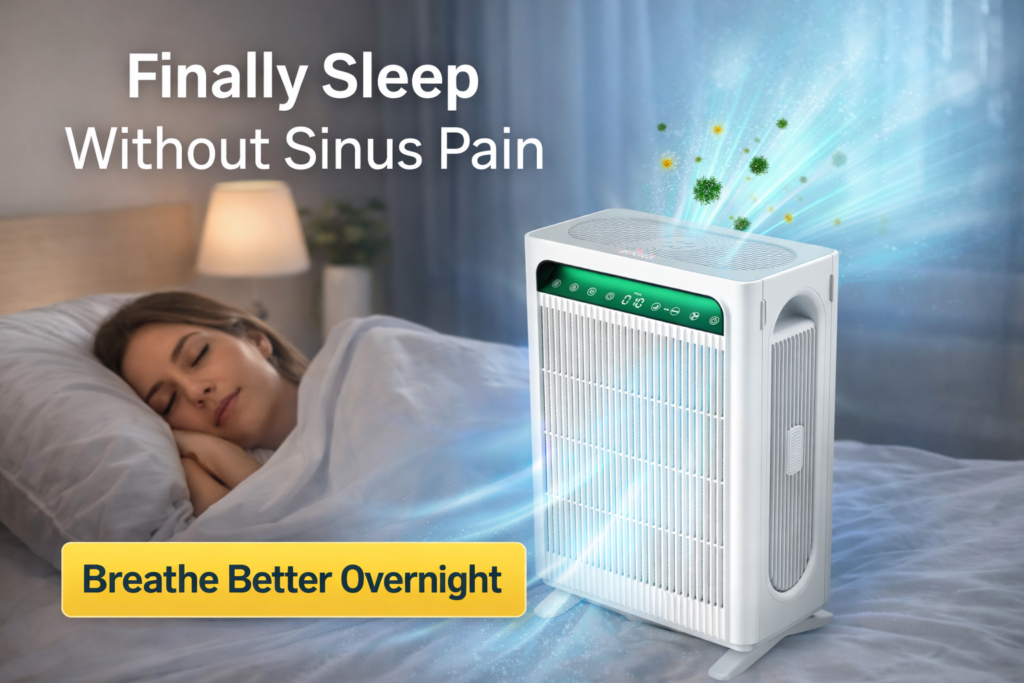
Why It Gets Worse At Night
Many people notice symptoms get worse:
- at night
- early morning
This happens because:
- sinuses drain differently when lying down
- pressure builds overnight
- air quality affects inflammation
Improving your sleep setup can help more than you think:
what the best sleep temperature actually is
What Actually Helps (Real Solutions)
Step 1: Reduce Inflammation
This is the foundation.
If you have allergies:
they must be addressed
Without this, your system stays irritated.
Step 2: Clear Your Sinuses Daily
This is one of the most overlooked fixes.
Start here:
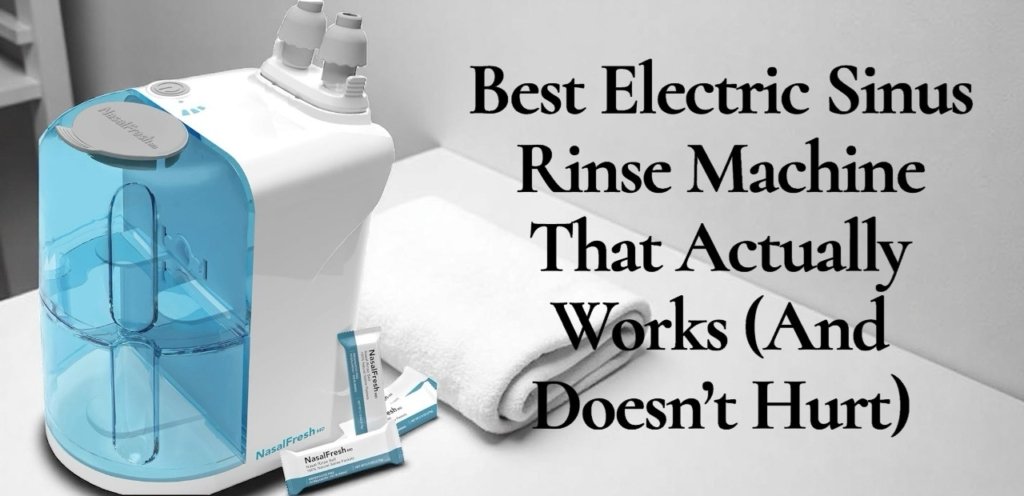
a sinus rinse system that actually works without pain

Or upgrade your method:
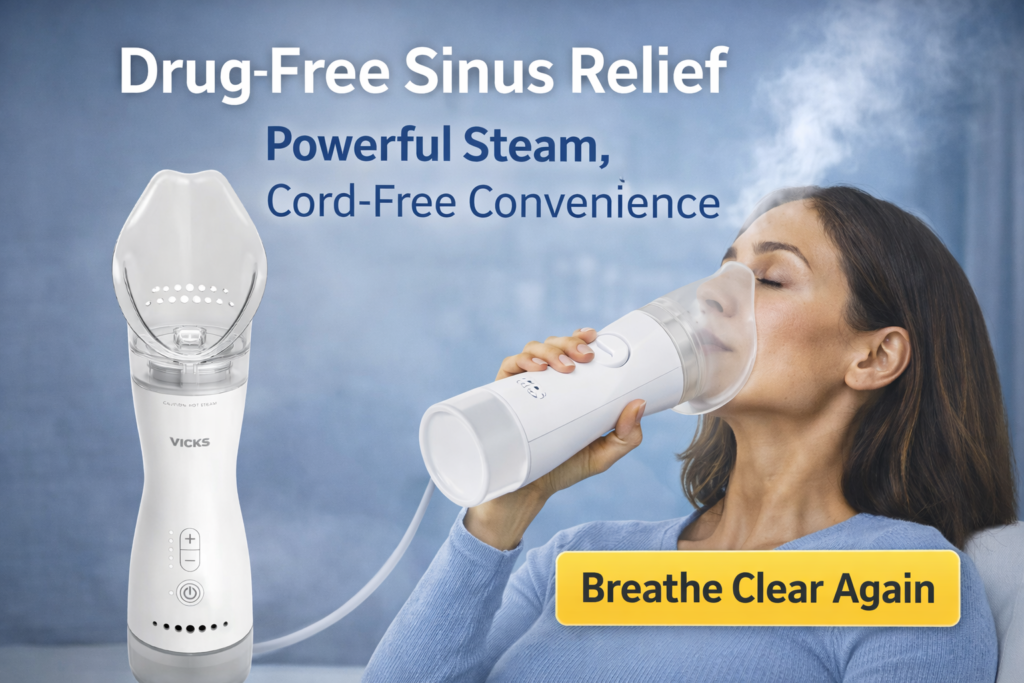
why this cordless irrigation system works better
Step 3: Hydration
Hydration directly affects:
- mucus thickness
- drainage
- pressure

Learn more here:
how hydration affects sinus healing
Step 4: Stabilize Your System
This is the part most people skip.
You need to:
- stop constantly checking your symptoms
- reduce ear popping habits
- give your system time to reset
Step 5: Improve Sleep Quality
Sleep is when your system recovers.
If it’s poor, symptoms stay worse.
This helps:
how to improve sleep if you’re a light sleeper
When To See A Specialist
If this has been going on long-term, you should still get checked.
But ask better questions:
- is this Eustachian tube dysfunction
- is my balance system involved
- is this inflammation-driven
What About Serious Conditions?
This is important to address.
Most people with these symptoms worry about:
- brain issues
- neurological problems
But if your tests are normal:
this is usually NOT something serious
It’s functional, not structural.
Why This Feels So Hard To Live With
This isn’t just physical.
Feeling off all day affects:
- your energy
- your focus
- your mood
It builds up over time.
You’re Not Alone In This
A lot of people are dealing with this exact combination of symptoms.
If you want to learn more or connect with others:
learn more about Sinus Struggles
browse common questions here
Where To Start Today
Don’t try to fix everything at once.
Start with:
- reduce inflammation
- clear sinuses daily
- improve sleep
- stay hydrated
- stop reinforcing the cycle