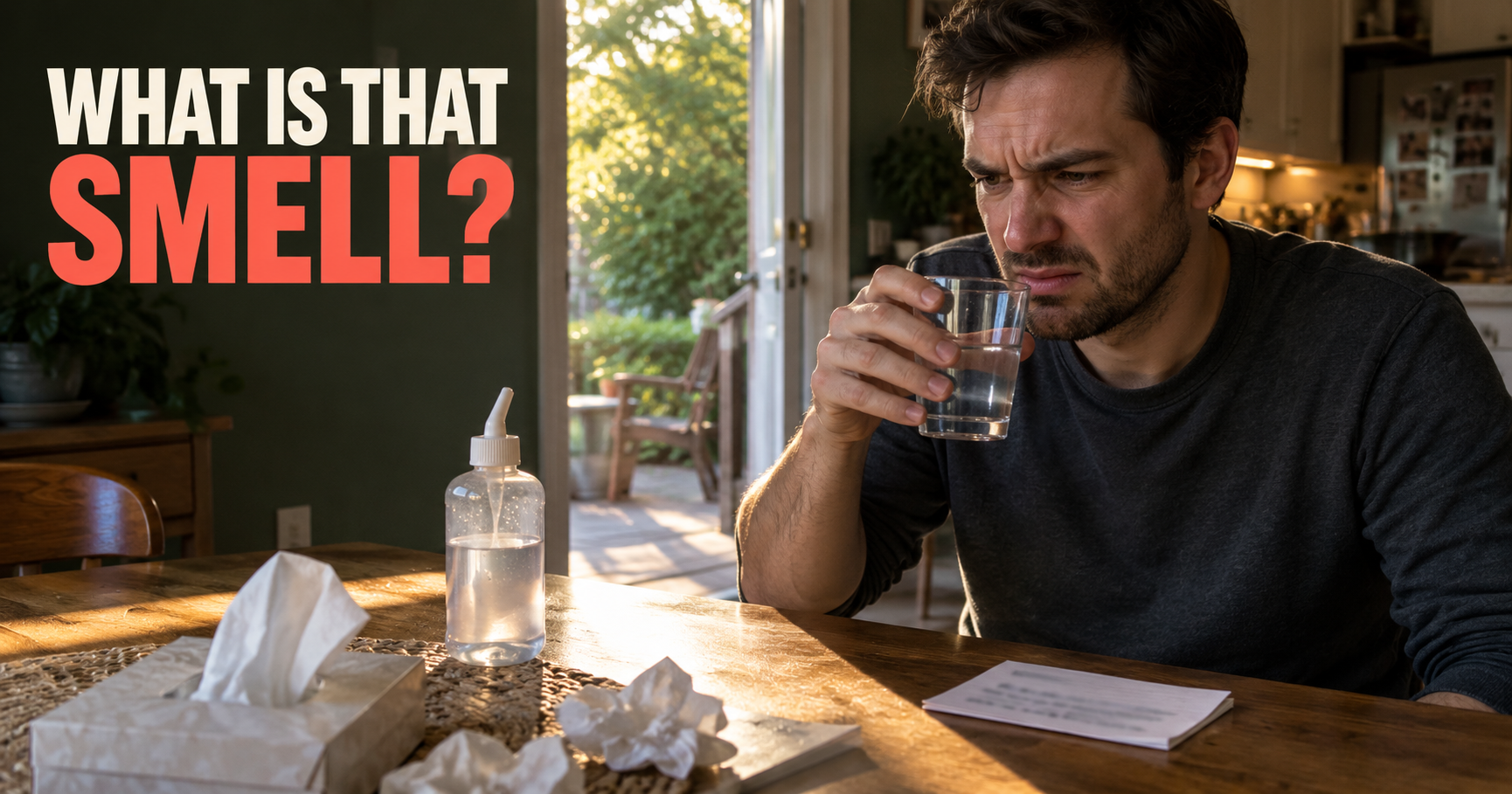
A bad smell after septoplasty can make you worry fast. You just had nose surgery, you cannot blow your nose normally, and then you start noticing an unpleasant smell that seems like it is coming from inside your own face. It is not exactly a relaxing recovery experience.
I dealt with a lot of dried blood, crusting, swelling, and blockage after my septoplasty and sinus surgery. That stuff can smell bad as it sits inside a healing nose. But I also learned that there is a point where you should not brush off a new or worsening smell as just another gross part of recovery.
The short answer is this. Old blood, mucus, crusting, and healing tissue can create an unpleasant smell after surgery. But a strong foul odor with worsening pain, fever, pus-like drainage, increasing swelling, or feeling sick deserves a call to your ENT.
Here is how I would think through it without panicking over every smell, while still taking the warning signs seriously.
Why Your Nose Can Smell Bad After Septoplasty
Your nose is healing in a warm, damp place where you cannot fully clean, rinse, or blow things out like usual. That alone can create some unpleasant smells.
After surgery, you may have:
- Old blood inside the nose
- Mucus that is not moving normally yet
- Crusting around the nostrils
- Swollen tissue that keeps airflow limited
- Stitches, stents, splints, or packing
- Saline moisture mixing with dried debris
For me, the issue was not that I was not trying to take care of my nose. The problem was that my nose was swollen shut and I had internal stents. I could not just blow everything out when it felt gross.
The front of my nostrils would form hard, dry buildup. Some of it caught around my nose hairs. Some of it was close to sore tissue. Trying to remove it all myself would have caused more pain and could have made me bleed.
What a Normal Healing Smell May Be Like
A mild stale, bloody, metallic, or musty smell can happen during the early part of healing.
Old blood does not smell good. Dried mucus does not smell good. A nose full of swelling and crusting is not going to smell like fresh laundry.
You may notice it more when you breathe in, when you use saline, or when a crust loosens. Sometimes the smell is stronger in the morning because things have sat and dried while you slept.
That does not automatically mean infection.
The bigger question is whether the smell is mild and improving along with your recovery, or whether it is getting stronger and comes with symptoms that are moving in the wrong direction.


What It Was Like for Me
My first week was full of blockage, dried blood, crusting, stents, and painful attempts to keep my nose moisturized. I could barely breathe through my nostrils, and I was mouth breathing constantly.
There were times when the buildup around the front of my nose was enough to make me feel grossed out and frustrated. But I had to be careful because I was healing around stitches and stents.
I could not treat it like a normal booger and just pull it out. The inside of my nose hurt badly, my upper lip hurt, and the area behind my front teeth was tender. Everything felt connected.
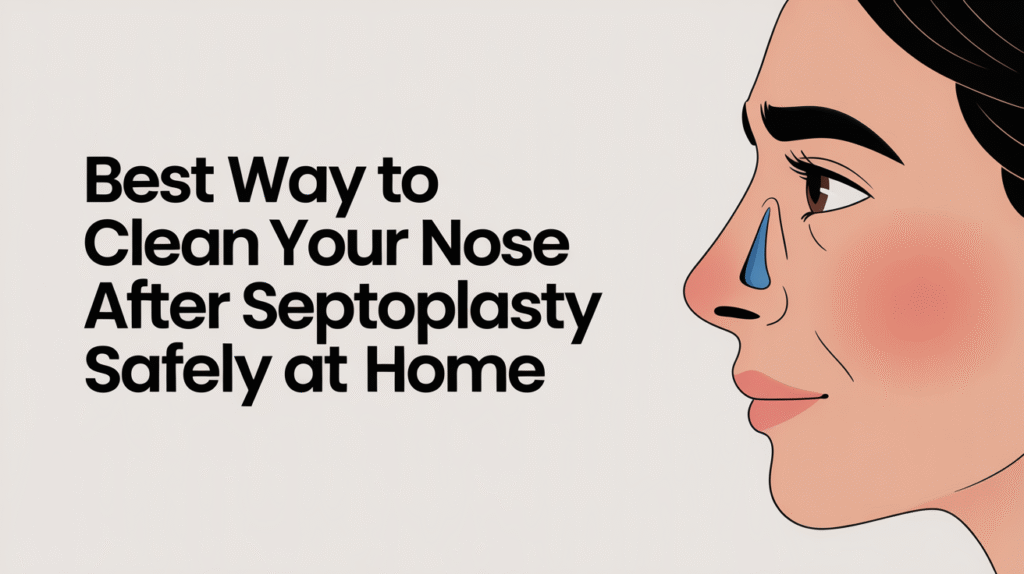
My article on how I handled dried blood after surgery explains why I learned to slow down and avoid turning a crusting problem into fresh bleeding.
Why Bad Smell Can Be Worse When Your Nose Is Blocked
A blocked nose does not clear itself normally.
When swelling, stents, dried blood, and crusting are all taking up room inside your nose, mucus and debris can sit there longer than usual. Less airflow means you may notice the smell more.
My nose felt completely blocked during the early recovery stage. I could not breathe through it normally, and saline did not always move the way I expected. I was tempted to force things open, but that was not the answer.

The reason my nose still felt blocked after septoplasty was not just one thing. It was swelling, stents, crusting, and healing tissue all at once.
As the swelling eased and my stents came out, things gradually started moving in the right direction.
What I Would Not Do Just Because of the Smell
A bad smell can make you want to clean aggressively. I understand that urge. But after surgery, being too aggressive can make the situation worse.
I would not:
- Blow my nose before my surgeon said it was okay
- Dig deep inside with a cotton swab, tweezers, or anything sharp
- Pull on a crust that appears stuck to healing tissue
- Try to remove a stitch, stent, splint, or packing myself
- Use random sprays, oils, or cleaning products inside my nose
- Keep forcing stronger and stronger saline rinses when nothing flows
The goal is not to make your nose perfectly clean in one sitting. The goal is to heal without causing more bleeding, pressure, or pain.
When the Smell Is More Concerning
This is the part that matters most.
A bad smell by itself may be part of the healing mess. But a strong or worsening foul odor can sometimes be a sign that your surgeon needs to check things.
I would call the ENT office if the smell comes with:
- Fever or chills
- Increasing redness or swelling
- Pain that is getting worse instead of better
- Thick yellow, green, or pus-like drainage
- A sudden awful taste draining into your throat
- Heavy bleeding
- New pressure that feels much worse than your earlier recovery pain
- Feeling sick in a way that seems beyond normal surgery fatigue
- A stent or splint that looks like it moved
- A strong gut feeling that something is not right
Do not wait and wonder if you are being dramatic. The surgeon’s office knows what was done during your procedure and what your recovery should look like.



My Recovery Had a Point Where I Needed the ENT
I had a difficult recovery, and I learned the hard way not to assume every worsening symptom was just something I had to endure.
Around day 10, I ended up back at the ENT because my septum had become very swollen and there was pus that needed attention. They evaluated it, drained it, treated the problem, and gave me clear instructions for what came next.
That experience changed how I think about recovery warning signs.
There is a difference between “this is gross and uncomfortable but seems to be slowly improving” and “this is getting worse and something feels off.” If you move into that second category, call.
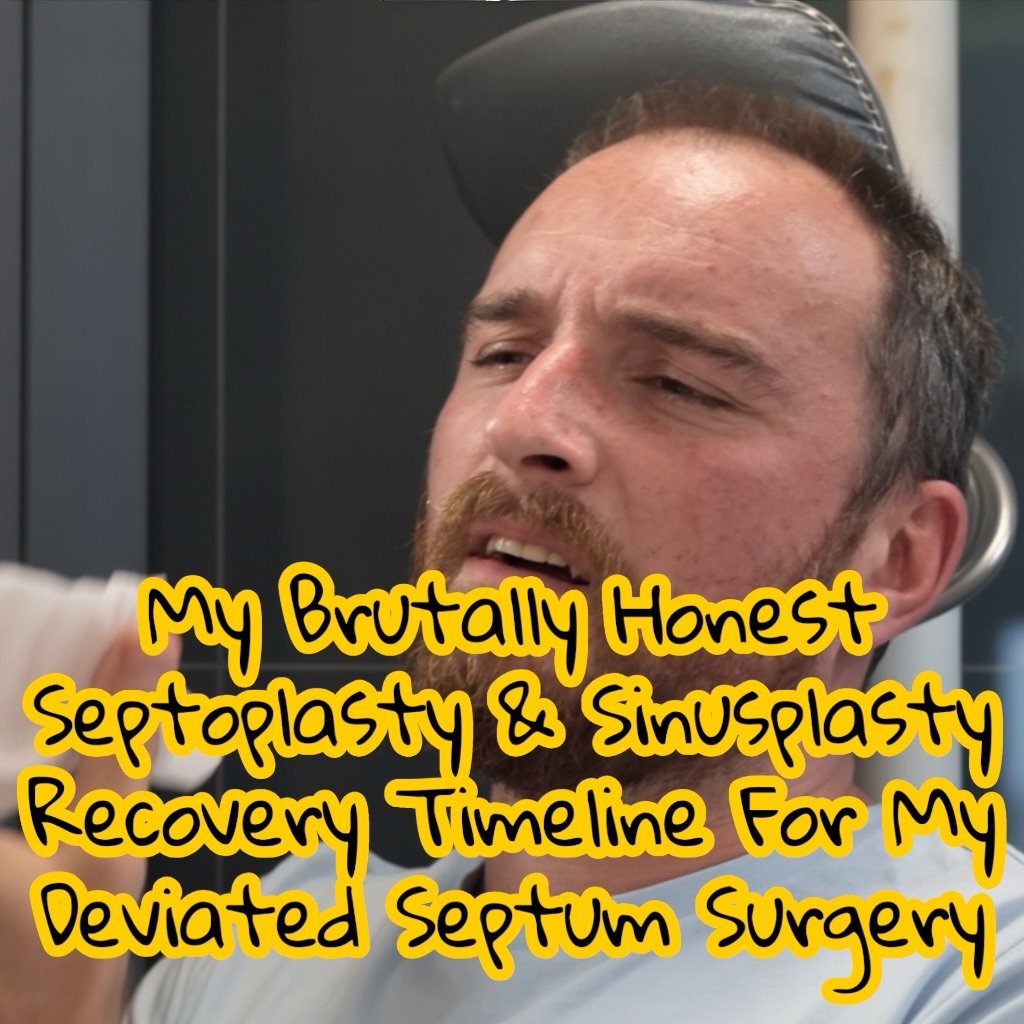
My day-by-day recovery story shares the honest version of how quickly a rough recovery can change. I do not tell that story to scare anyone. I tell it because I wish I had known I was allowed to speak up when something did not feel right.
Questions to Ask Yourself Before You Call
You do not need to diagnose yourself. But these questions can help you describe what is happening clearly when you call.
- When did the smell start?
- Is it mild, strong, or getting worse?
- Is the smell coming with a bad taste or unusual drainage?
- Is my pain improving, staying the same, or getting worse?
- Do I have fever, chills, worsening swelling, or redness?
- Did anything change after my stents came out or after a follow-up visit?
- Can I still drink fluids and take care of myself normally?
The more clearly you can explain the change, the easier it is for the office to decide what you need.

The Smell Is Not the Whole Story
A healing nose can smell strange. That does not automatically mean infection or a bad surgical outcome.
But you should not look only at the smell. Look at the direction your recovery is going.
If your nose is gradually less painful, less swollen, and easier to care for, an occasional unpleasant smell may simply be part of old blood and crusting working their way out.
If the smell becomes stronger while pain, swelling, drainage, or sickness are getting worse too, that is different. That is when I would make the call.
The post-surgery mistakes I learned from the hard way taught me that recovery is not about silently suffering through every symptom. It is about following instructions, being careful with your healing nose, and speaking up when the picture changes.
About the Author: Dax Weaver shares his firsthand experience with septoplasty and sinus-surgery recovery on Sinus Struggles, including the uncomfortable details people are rarely warned about before surgery.