My nose felt dry and burned after septoplasty even though I was using the saline care I had been told to use. That confused me at first. I thought saline was supposed to keep things comfortable. Instead, there were times it felt like I was spraying saltwater onto raw, swollen tissue.
The dryness was not just a little irritation. My nose felt crusted over, blocked, stiff, and painfully tender. The burning was worst near the lower part of my nose where it met my upper lip. It could flare when I moved my mouth, tried to smile, talked too much, or attempted a rinse.
If your nose feels dry and burns after septoplasty, you are not necessarily doing anything wrong. A fresh surgical nose can be swollen, stitched, blocked, and full of dried blood all at the same time. But there are also warning signs that should not be ignored.
This is what my dryness and burning felt like, why it became so intense, what gave me some relief, and when I would call the ENT.
Why My Nose Was Dry Even Though I Used Saline
My nose was not dry because I was ignoring it. It was dry because I could barely get moisture where it needed to go.
I had internal stents, swelling, dissolvable stitches, dried blood, and crusting. When I used saline, it did not always move through my nose. Sometimes it just hit the blockage at the front of my nostrils and came back out.
It felt like trying to water dirt that had dried into concrete. The moisture was there, but it was not getting through the hard layer of dried blood and crusting.
At the same time, I was mouth breathing constantly because my nose was blocked. That dried out my lips and mouth, but it also made the whole area around my nostrils feel more uncomfortable.



The Burning Felt Like More Than Normal Dryness
The burning was the part that really got me.
I expected some soreness inside my nose. What I did not expect was a sharp, stinging, deep burning sensation that seemed to run from the nostril area into my upper lip and behind my front teeth.
It felt worse when:
- I moved my upper lip
- I talked or tried to chew
- I yawned
- I tried to clean around the front of my nose
- Saline touched an especially sore area
- Dried blood pulled on nose hairs near tender tissue
- My face became more swollen
The area around my nose, upper lip, gums, and front teeth all felt connected. It was hard to tell where the burning ended and the pressure began.
Why My Stitches Made It Feel Worse
My internal stitches were one of the biggest sources of burning during recovery.
They were inside a swollen area that was already sore, dry, and irritated. Every little facial movement seemed to tug on that tissue. The stitches themselves were dissolvable, but that did not mean they disappeared or stopped hurting right away.
Some days they felt like they were burning. Other days they felt like they were pulling or pinching. When crusting formed nearby, the irritation got worse.
My article on how long septoplasty stitches stayed irritating for me explains why I was not prepared for that part of recovery.
The Dried Blood Was a Big Problem
Dried blood and crusting made my nose feel like it was closing in on itself.
The worst buildup was often near the front of my nostrils. It would harden around my nose hairs and form a crusty barrier that made breathing, rinsing, and touching my nose more painful.
I wanted to pull it out. I wanted to scrub it away. I wanted to fix it immediately.
But I had to remind myself that I was not cleaning a normal nose. I was dealing with surgical tissue, stitches, swelling, and stents. Pulling too hard could cause fresh bleeding or make the pain worse.
That was one of the hardest parts of recovery. The thing that looked like it needed to come out might have been attached close to something that needed to stay protected.

Why Saline Could Sting So Badly
Saline can be an important part of post-surgery care, but it did not always feel gentle to me.
When the inside of my nose was raw and swollen, the rinse could sting. When the nasal passage was blocked, it could feel like the saline was just pooling against sore tissue. When the dried buildup was hard, nothing seemed to move the way I wanted it to.
That did not mean I needed to force the rinse harder.
I followed my surgeon’s instructions and tried not to turn frustration into pressure. A squeeze bottle cannot force a freshly operated nose to heal faster.
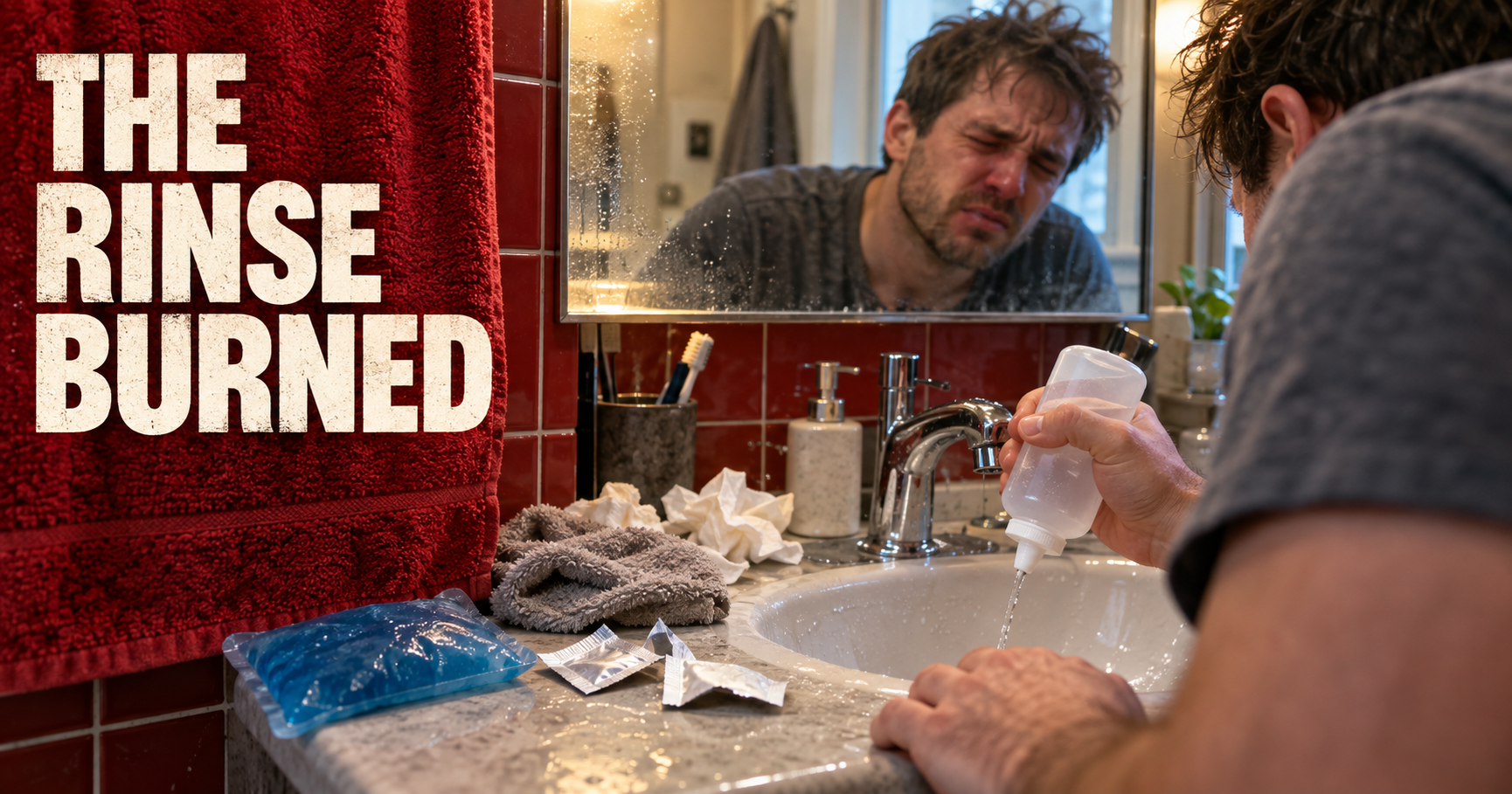
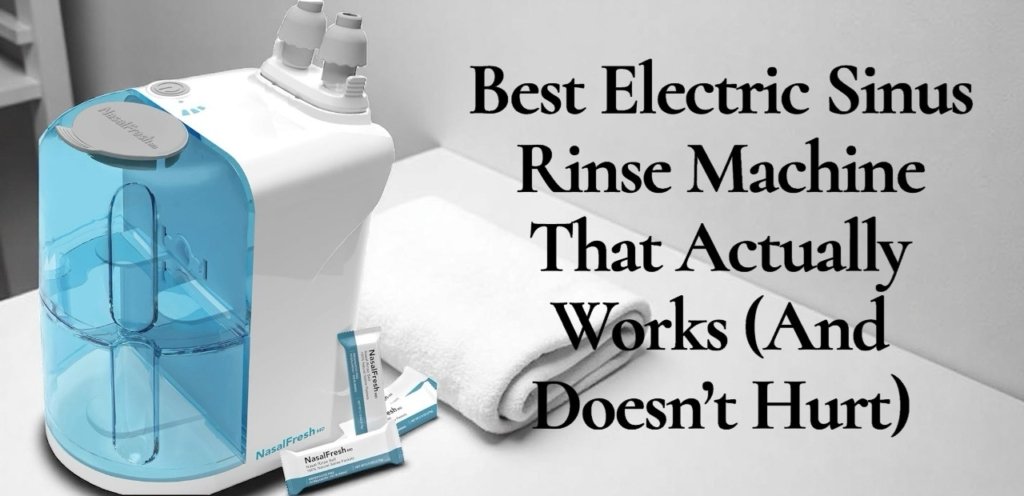
My experience rinsing with stents in place was one of the most frustrating parts of those early days, but it taught me to be patient with a nose that was simply not ready to flow normally yet.
What Helped Me Get Small Breaks From the Dryness
Nothing took the burning away completely during the roughest days. But these things gave me a little relief.
Keeping the Air Moist
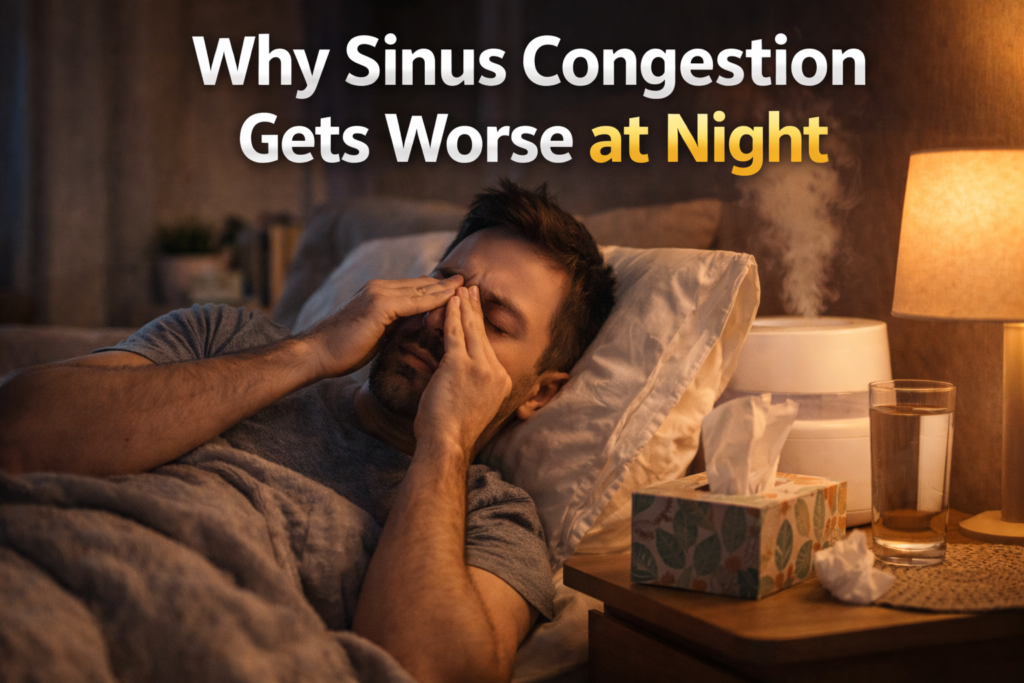
A humidifier helped enough that I noticed when it was not running.
It did not remove the stents or dissolve every crust. But sitting near the mist made the dry, tight feeling around my nose and mouth less harsh. It gave my lips and throat a break from constant mouth breathing too.
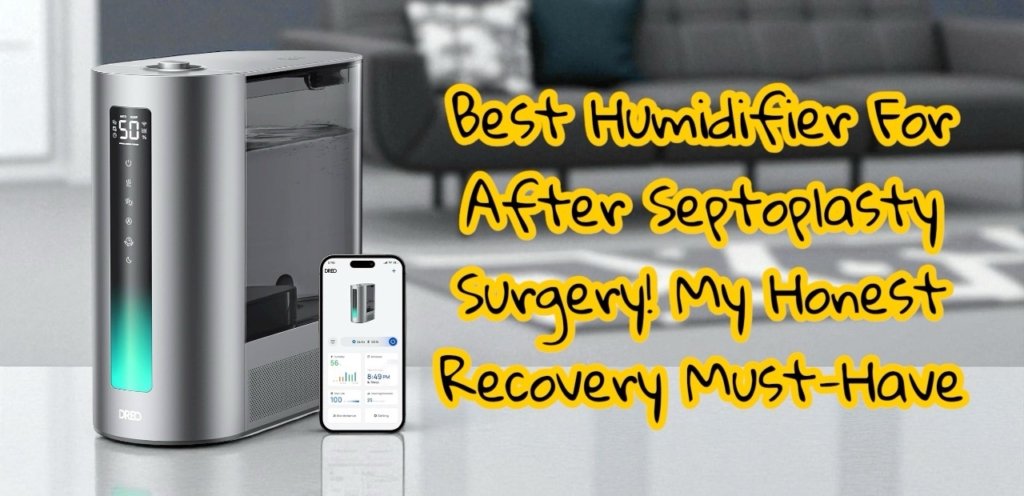
The humidifier that helped during my recovery was not a miracle fix. It was simply one of the few comfort tools that made a miserable situation more bearable.
Staying Gentle Around My Nostrils
I learned to stop treating every visible crust like it needed to be removed right now.
I did not pull on dried blood. I did not shove anything deep into my nose. I did not keep rubbing the outside of my nostrils because touching the area could trigger sharp pain.
Being gentle did not make the blockage disappear, but it kept me from creating more bleeding and irritation.
Giving My Face a Rest
Talking, chewing, and moving my upper lip could make the burning worse. When I was able to rest my face, use softer foods, and keep conversation short, the area had fewer chances to flare up.
That sounds small, but it mattered when my upper lip and nose felt like they were tied together by one angry nerve.

What Made the Dryness Worse for Me
I noticed a few things that seemed to make the burning and dry feeling worse.
- Mouth breathing all night
- Dry air in the room
- Trying to force saline through a blocked nose
- Touching the front of my nostrils too much
- Letting dried blood build up without following my surgeon’s care plan
- Talking and chewing when the upper-lip area was flared up
- Lying flat when pressure already felt bad
I was tempted to keep trying new things because I was desperate for relief. But recovery was not the time to throw random products into my nose. The safest approach was sticking with what my surgical team had approved.
When Dryness and Burning Need a Call to the ENT
Burning, crusting, and dryness can happen after septoplasty. But I would call the ENT if the symptoms became worse instead of better or started coming with more concerning changes.
I would contact the office if I had:
- Severe pain that was suddenly worsening
- Increasing redness or swelling around my nose
- Fever, chills, or feeling sick beyond normal surgery fatigue
- Thick pus-like drainage
- A strong foul smell that kept getting worse
- Heavy bleeding
- A stent or splint that looked like it moved
- A stitch that was sharply poking or seemed stuck
- Trouble drinking enough fluids because the pain was too much
I had a difficult recovery, and I learned that it is okay to call when symptoms stop following the direction you expected. The ENT would rather answer a recovery question than have you sit at home wondering if something is wrong.
The Burning Did Not Stay at Its Worst Forever
During the hardest days, I could not imagine my nose ever feeling normal again. It was dry, blocked, swollen, burning, and full of pressure.
But the recovery slowly changed.
My stents came out. The swelling eased. The stitches became less irritating. The hard crusting became easier to manage. It was not fast, but I was eventually able to tell that the pain was moving in the right direction.
My complete recovery story is here because I wanted people to know that the early part can be much rougher than they expect. If your nose feels dry and burns after septoplasty, be gentle with it, follow your own surgeon’s instructions, and speak up if the symptoms are worsening instead of healing.
About the Author: Dax Weaver shares his firsthand experience with septoplasty and sinus-surgery recovery on Sinus Struggles, including the uncomfortable details people are rarely warned about before surgery.