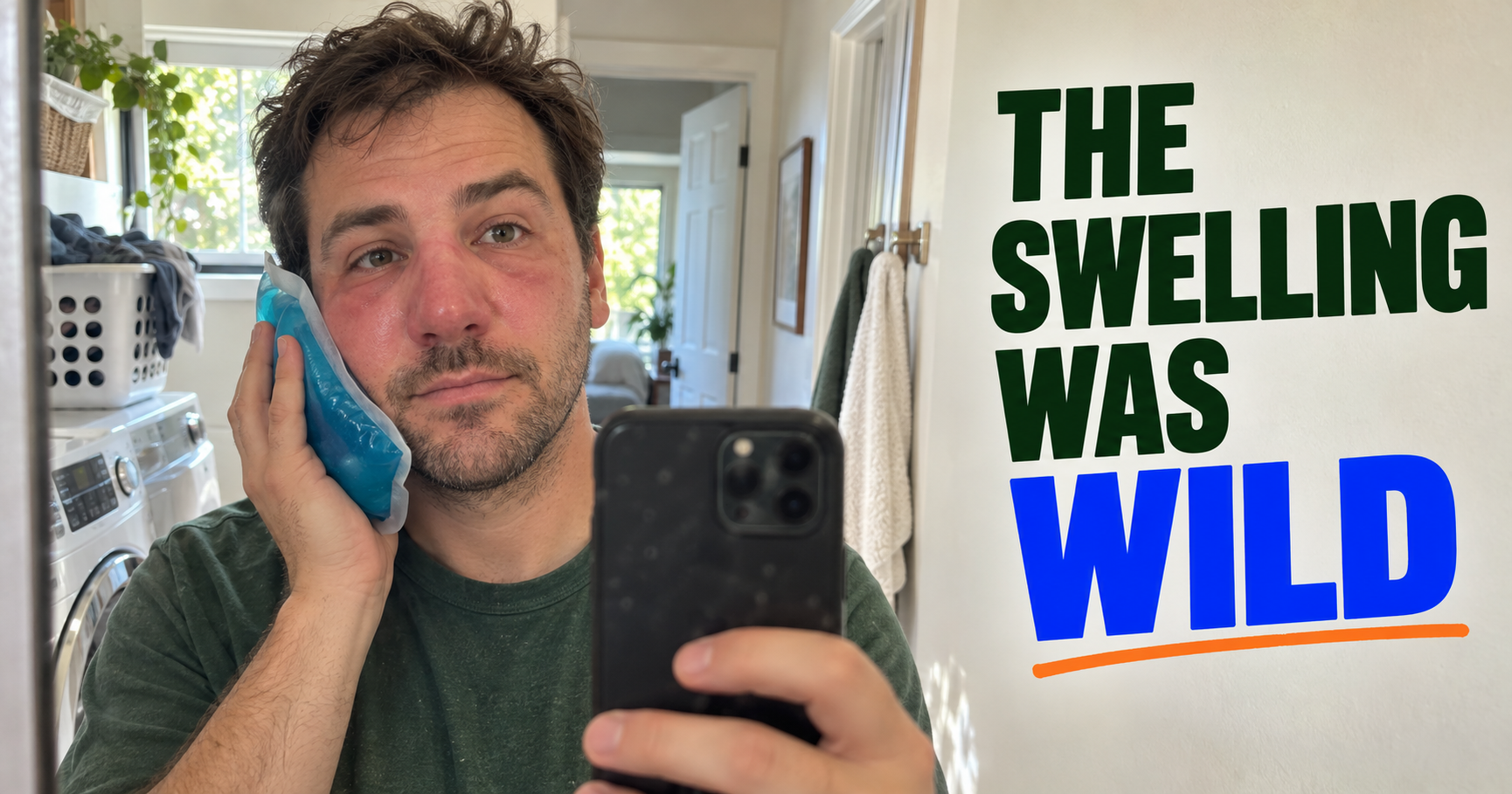
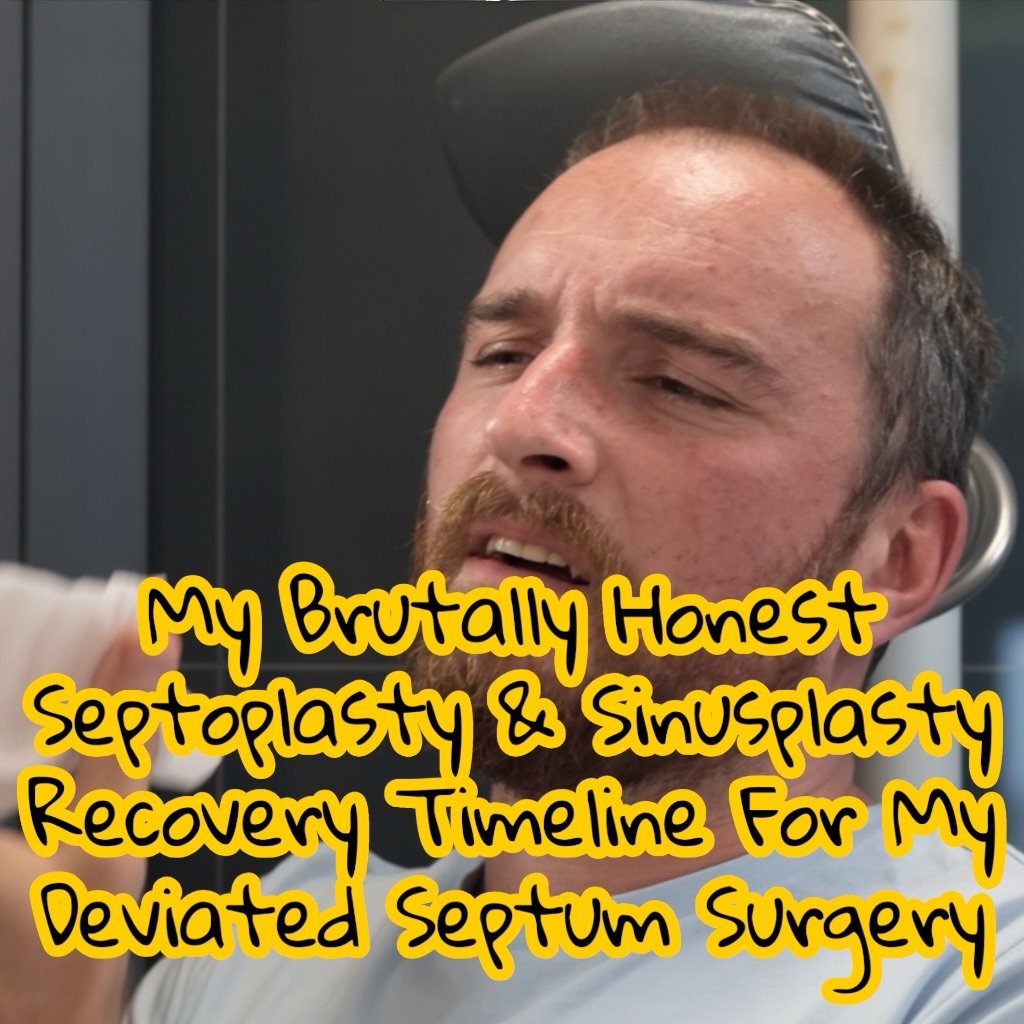
My nose was so swollen after septoplasty that it barely looked like my own face. It felt hot, hard, red, and much bigger than normal. The swelling did not stay only on my nose either. It spread into my cheeks, under my eyes, upper lip, and the whole middle of my face.
I expected some puffiness after surgery. I did not expect to feel like I had been hit in the face and then asked to sleep, eat, breathe, and function normally.
If your nose is swollen after septoplasty, it can be scary. You may look in the mirror and wonder if that much swelling is supposed to happen. Early swelling can be part of healing, especially if you had septoplasty plus other sinus work, stents, or a difficult recovery.
But there is also a point where new or worsening swelling deserves a call to the ENT. This is what mine looked and felt like, what made it worse, what helped me a little, and what I would not ignore.
What My Swelling Looked Like
My nose was not just puffy.
It looked much larger than normal. It was red and hard to the touch. The area under my eyes felt tight. My cheeks were sore. The middle of my face looked like it had been through a few rounds in a boxing ring.
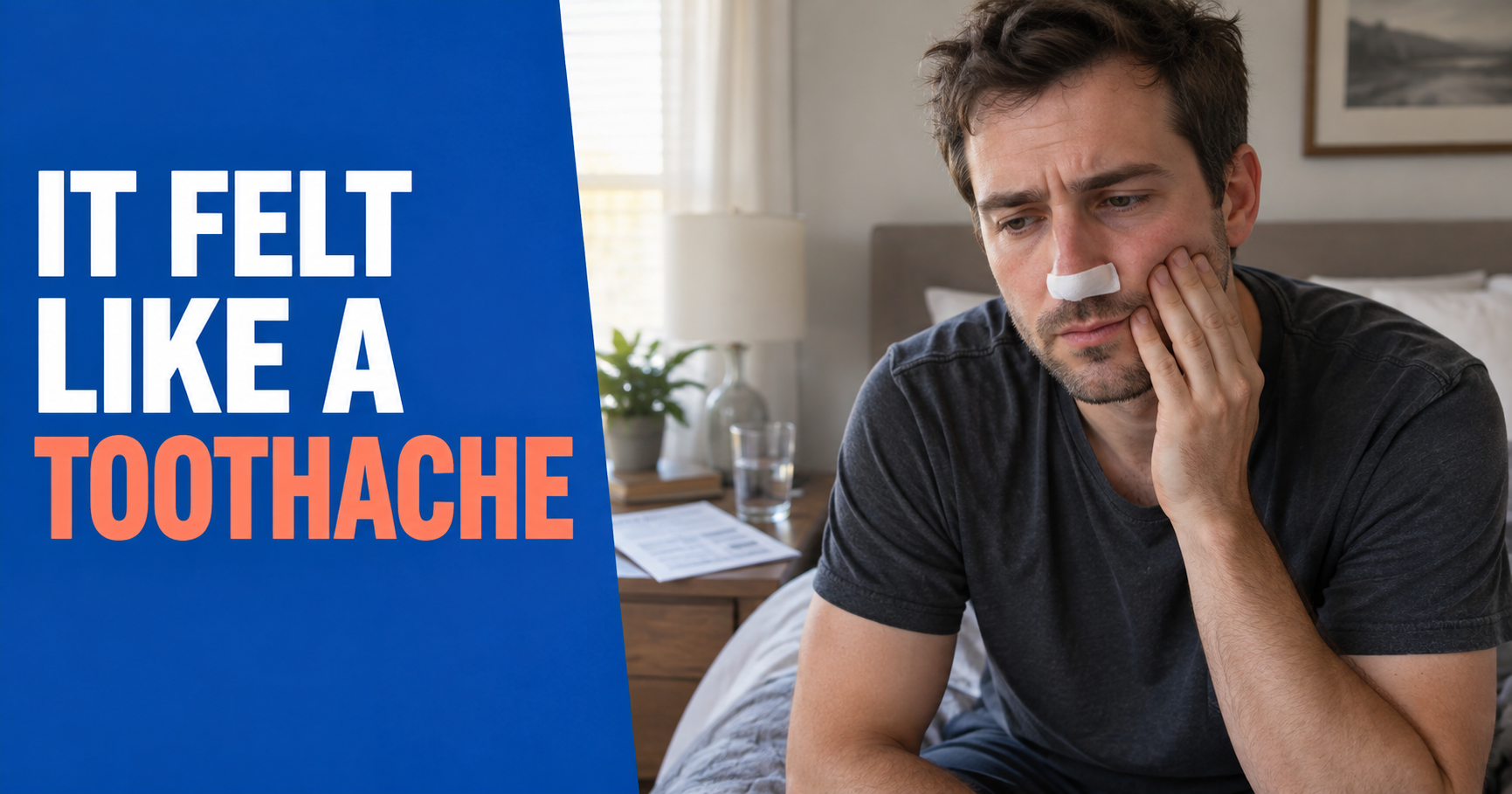
The swelling made the whole recovery feel more intense because every bit of pressure seemed to spread outward. My nose hurt, but so did my upper lip, gums, front teeth, roof of my mouth, and cheeks. That same swelling can help explain tooth pain after septoplasty and why the discomfort may spread beyond the nose.
I had trouble looking in the mirror because it made the recovery feel more real. But seeing how swollen I was also helped me understand why I felt so much pressure inside my nose.

Why My Nose Swelled So Much
My surgery involved more than one small spot healing. I had septoplasty and sinus surgery, along with internal stents and stitches. My body had a lot to respond to.
Several things were happening at once.
- Tissue inside my nose was healing
- My face was reacting to surgery and inflammation
- Internal stents were adding pressure in an already swollen space
- Dried blood and crusting were making my nose feel even more congested
- I was not sleeping well or moving much
- I could not breathe through my nose normally
The swelling was not just something I could see. It was a major reason my nose felt blocked and heavy.

My article on why my nose stayed blocked after surgery explains how swelling, stents, crusting, and healing tissue can combine into that horrible brick-wall feeling.
When My Swelling Was at Its Worst
My swelling got worse before it got better.
Surgery Day
On the first day, I was sore and swollen, but the numbness from surgery still took the edge off some of it. I knew my nose felt different, but I had not yet reached the hard part.
Days 2 Through 5
This was the worst stretch for me.
My nose became very swollen, red, hard, and tight. I had pressure through the middle of my face, pain around my upper lip and teeth, and stents that made the inside of my nose feel completely full.
Around day 3, the pain and swelling were so bad that I felt like my face was twice its normal size. I could barely get comfortable. Every little movement seemed to pull on something sore.
By day 4, it still felt like there was no real relief. I was tired, mouth breathing, and wondering why nobody had warned me that recovery could feel this brutal.
After the First Week
The swelling did not disappear overnight. But after my stents came out, I started seeing some progress.
My nose still felt tender and blocked. I still had crusting and dryness. But the constant pressure began to ease enough that I could tell I was not stuck at the worst point forever.
Why the Swelling Hurt So Badly
Swelling is not only about appearance.
For me, it created pressure everywhere. My nose felt like it was throbbing with my heartbeat. The skin on my face hurt when I touched it. My upper lip felt like it was connected to every sore place inside my nose.
The hardest areas were:
- The bridge and tip of my nose
- The area beneath my nose where it met my upper lip
- My cheeks and under-eye area
- Behind my upper front teeth
- The roof of my mouth
When you have that much swelling, it can be hard to figure out what is causing each individual pain. I just knew my face felt tight, tender, and angry.
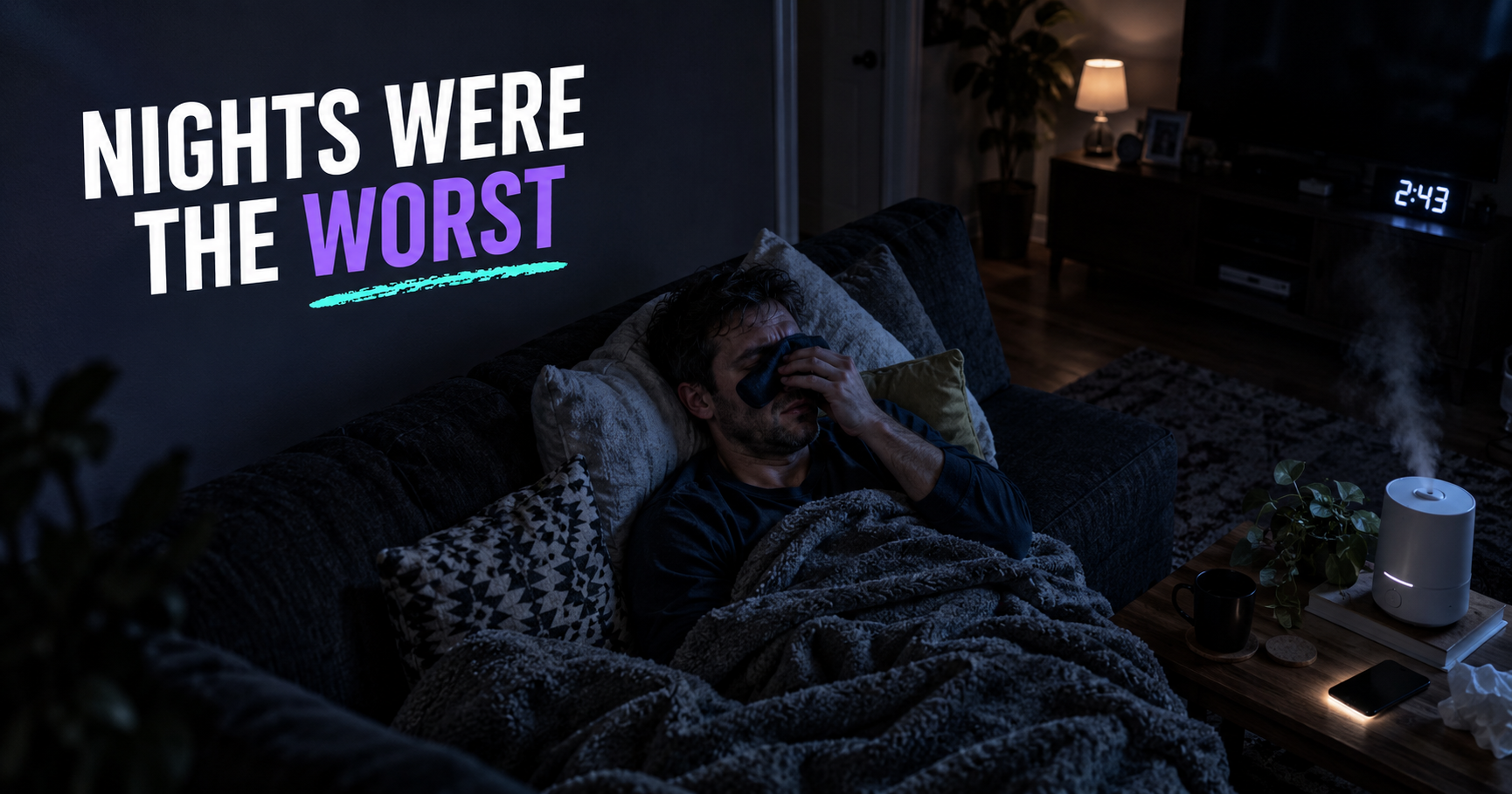
At night, it felt even worse because I was tired and could not distract myself from the pressure. My article on why nighttime became the hardest part of recovery explains that miserable cycle of swelling, pain, mouth breathing, and broken sleep.

What Helped My Swelling a Little
Nothing completely erased my swelling during the roughest days. I wish there had been one fix that made me look and feel normal again, but there was not.
These things gave me some short relief.
Cold Packs in Short Rounds

Ice helped numb the throbbing and take the edge off the heat in my face.
I had to use it carefully. Too much ice made my skin burn, especially because my face was already sensitive. But short rounds on my cheeks and around my nose gave me a little break from the pressure.
The ice pack that worked best for my swollen face mattered because regular hard plastic packs did not fit my nose and cheeks well.
Keeping My Head Elevated
I spent a lot of time propped up instead of lying flat.
That did not make the swelling disappear, but lying flat made the pressure feel heavier for me. Sitting up in a recliner or using pillows gave me a more tolerable position.
Resting Even When I Wanted to Do Something
I was tired of sitting still. I wanted to feel normal. But my body was clearly working hard to heal.
I learned that recovery was not the time to test whether I could push through. When my face was swollen, red, and throbbing, resting was not laziness. It was part of getting through it.
Staying Away From Things That Made Pressure Worse
I did not blow my nose before I was allowed. I did not dig around inside my nostrils. I did not try to pull out every crust I could see.
Those things were tempting when my nose felt blocked, but they could have caused more irritation and bleeding.
What I Would Not Assume Is Normal
A swollen nose after septoplasty can be expected. But I would not assume every kind of swelling is normal just because I had surgery. The same cautious approach applies to knowing when smell signals a problem during recovery.
I would call my ENT if:
- Swelling is suddenly getting much worse after it had started improving
- One side of the nose or face becomes much more swollen than the other
- The area becomes increasingly red, hot, or painful
- I have fever, chills, or feel sick beyond normal recovery exhaustion
- I notice thick pus-like drainage or a strong foul smell
- I have heavy bleeding
- My vision changes or the swelling is affecting my eyes
- A stent or splint seems to have moved
- I have a strong feeling that something is not right
My own recovery taught me that you should not suffer quietly if the direction of symptoms changes. I had a rough time, including a later visit back to the ENT when swelling needed attention. It is always better to call than to guess.


Why I Took Pictures During Recovery
I did not love taking pictures when my face was at its worst. But I am glad I documented some of it.
When you are swollen, tired, and in pain, every day can feel the same. Pictures helped me see that things were changing, even if it was slowly.
They also helped me tell the truth about recovery. A lot of people see a quick before-and-after photo and assume the healing process is easy. Mine was not easy. My face was swollen, my nose was hard, and the early days were miserable.
That does not mean every person will have my recovery. It does mean you are not weak or dramatic if swelling makes you feel uncomfortable, worried, or overwhelmed.
The Swelling Was Temporary Even When It Did Not Feel Like It
The days when my nose was most swollen felt endless. I wanted to know exactly when I would look normal again and breathe normally again.
Recovery did not give me an exact schedule. It came in small changes. The stents came out. The pressure eased. The swelling slowly settled. I got a little more comfortable than the day before.
If your nose is swollen after septoplasty, follow your surgeon’s instructions, protect the healing tissue, and pay attention to whether the overall direction is improving. Early swelling can be rough, but it is not the final result of surgery.
About the Author: Dax Weaver shares his firsthand experience with septoplasty and sinus-surgery recovery on Sinus Struggles, including the uncomfortable details people are rarely warned about before surgery.