
My nose was more blocked right after septoplasty than it had been before surgery. That was one of the most frustrating parts of the whole recovery.
I had surgery because I wanted to breathe better. Then I woke up with my nose completely clogged, stents inside, dried blood forming near my nostrils, and so much swelling that it felt like somebody had filled my face with concrete.
If your nose is still blocked after septoplasty, do not automatically assume the surgery did not work. In the early days, a blocked nose can come from swelling, internal stents or splints, dried blood, mucus, crusting, and healing tissue. For me, it was all of those things piled together. Those same dried secretions and crusts can also explain bad smells during septoplasty recovery while the nose is healing.
That said, there is a difference between a miserable but expected recovery and symptoms that need a call to your ENT. This is what my blocked nose felt like, what was causing it, what changed over time, and when I would not just sit at home hoping it got better.
The Quick Answer
A nose that still feels blocked after septoplasty is very common during the early recovery period because the inside of your nose is swollen and healing. If you have stents or splints, they can make breathing feel almost impossible until they are removed.
My nose did not feel open right after surgery. It felt worse for a while. I could barely get air through it, and I was stuck mouth breathing day and night.
The important question is whether you are in the normal early healing stage or whether your symptoms are worsening, unusually severe, or coming with signs of infection, heavy bleeding, or something that feels clearly wrong.

Why My Nose Felt Completely Sealed Shut
My blocked nose was not caused by one simple thing. It was a pileup.
I had septoplasty and sinus surgery, internal stents, dissolvable stitches, swelling, dried blood, and crusting. Every one of those things took up space or irritated tissue inside my nose.
I kept waiting for a moment where I could take one good breath and feel relief. It did not happen right away.
The Swelling Was Worse Than I Expected
I expected my nose to be swollen on the outside. I did not think much about how swollen it would be inside.
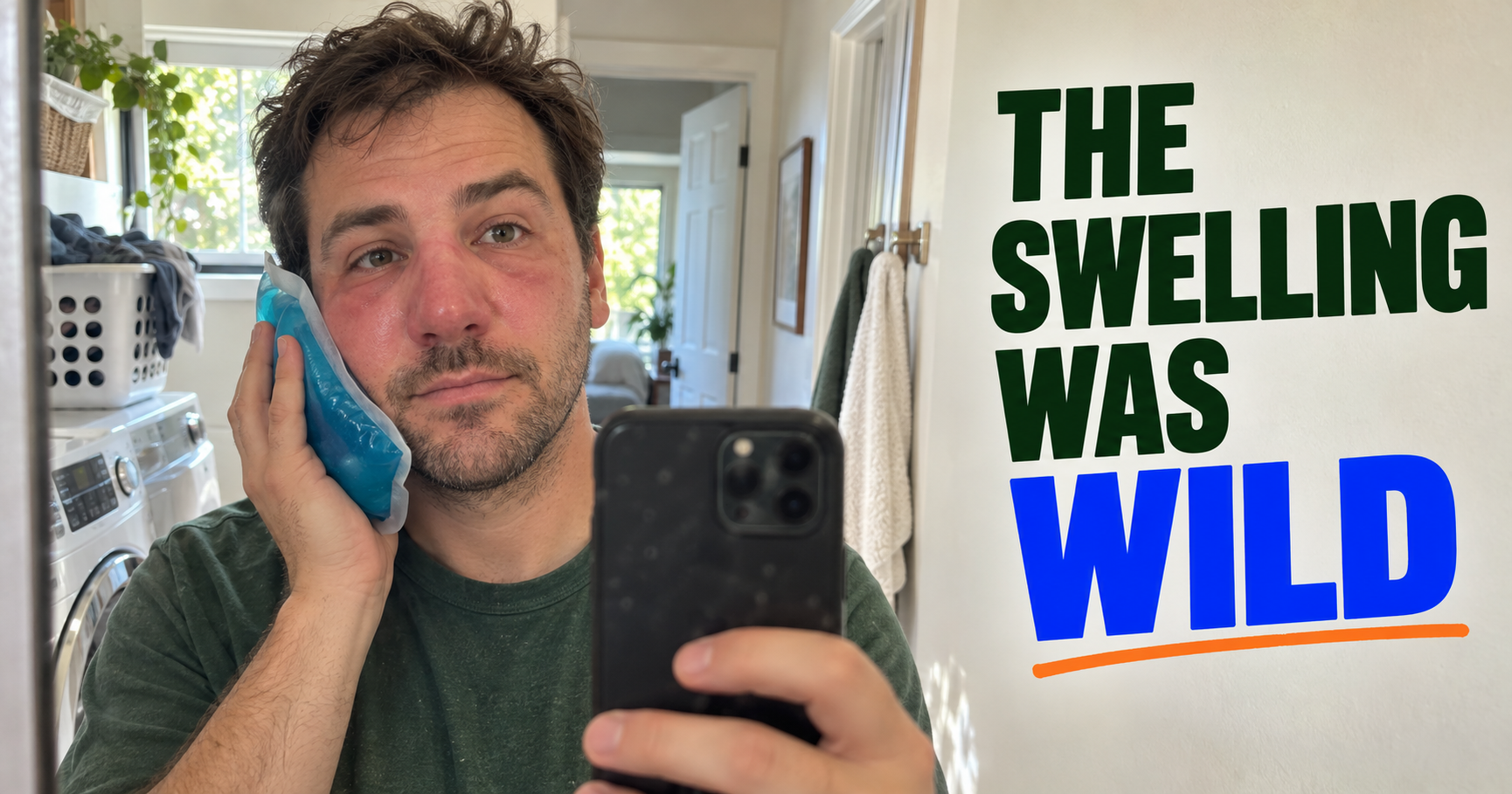
But internal swelling was the main reason I could not breathe. My nostrils felt narrow and tender, and the middle of my face was sore and tight. My nose even felt hard and much bigger than normal.
That swelling does not care that you had surgery to improve breathing. It still has to happen while your body heals.
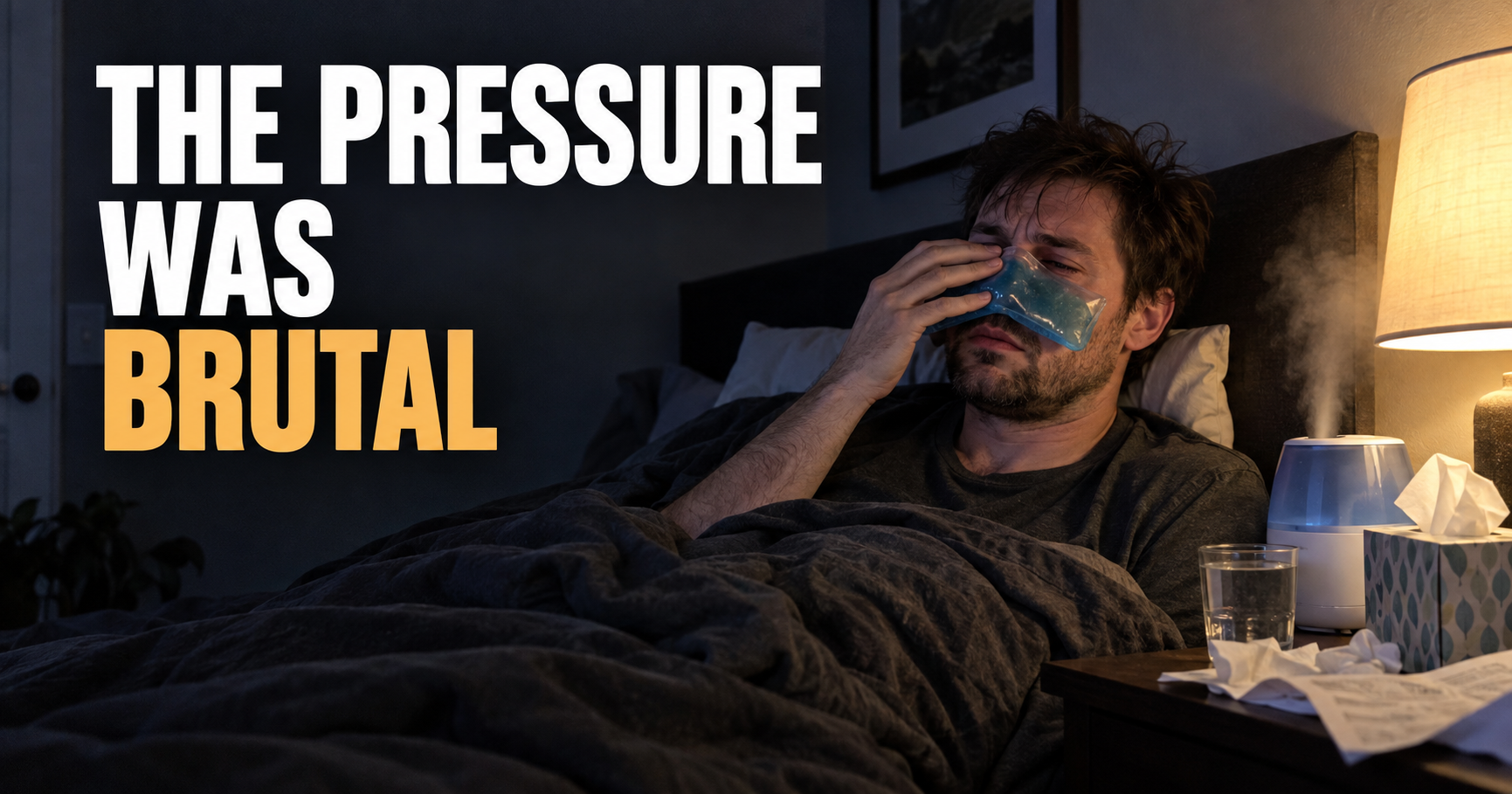
For me, days 3 through 5 were especially rough. My face was swollen, my nose felt like a brick wall, and the pressure behind my upper lip and front teeth made everything more miserable.
The Stents Took Up What Little Room Was Left
The stents were a huge part of why my nose felt blocked. I could feel them all the time. They made it hard to breathe, hard to rinse, hard to sleep, and hard to forget I had surgery.
They were not just a tiny support I could ignore. They felt like hard plastic sitting inside an already swollen, sore nose.
My article on what nasal stents actually felt like after septoplasty goes deeper into that part of my recovery. In short, the stents were temporary, but they made the early days a lot harder.
Dried Blood and Crusting Made It Feel Even Worse
You cannot blow your nose after surgery just because you feel clogged. That means dried blood and mucus can build up near the front of your nostrils and make the blockage feel even more intense.
For me, dried blood would harden around my nose hairs and create a crusty wall near the opening of my nose. I wanted to pull it all out because it felt like it was stopping every bit of airflow.
But that is where you have to slow down. The stuff you can see may be connected to tender healing tissue, stitches, or areas that are still trying to close up. Forcing it out can cause bleeding and more pain.


How Blocked Was My Nose During the First Week?
I could not breathe normally through my nose at all during the first several days.
I was mouth breathing constantly. My mouth and lips were dry. My sleep was terrible. Talking hurt. Eating was annoying. I felt like I was always thirsty because breathing through my mouth never gave me a break.
The frustrating thing was that I was trying to do the right things. I used the care my surgeon told me to use. I tried saline. I kept my head up. I rested.
But early recovery was still miserable.
Days 1 Through 2
At first, I was numb, sore, groggy, and very aware of the stents. My nose was already blocked, but the surgical numbness softened the pain a little.
I was not breathing through my nose in any useful way, though. Even then, it felt packed full.
Days 3 Through 5
This was my worst stretch.
The swelling got heavier, the pain got sharper, and the inside of my nose felt completely closed. Saline did not just flow through and fix things. It often felt like it hit a wall.
I was also dealing with burning stitches, pressure behind my front teeth, swelling around my upper lip, dry mouth, and barely any sleep. The blocked nose was not an isolated symptom. It made everything else harder.
Day 7 and After
My stents came out on day 7. That did not instantly make my nose normal, but it was a real turning point.
There was more room inside my nose once they were gone. The pressure eased some. I still had swelling and crusting, but I could finally tell that things were moving forward instead of just getting worse.
My full day-by-day recovery experience shares more about how rough that first week was for me and why stent removal felt like such a big milestone.
Why a Saline Rinse May Not Unblock Your Nose Yet
A saline rinse can be helpful during recovery, but it is not a power washer that clears out every blockage the second you use it.
When I had stents in, my nose was too swollen and crowded for rinses to work like I expected. The saline could sting, run back out, or feel like it was not going anywhere.
That did not mean I needed to squeeze harder.
A stronger squeeze can add more pressure to a nose that has just been operated on. I had to follow my surgeon’s directions and accept that some rinses would be messy and frustrating until the swelling eased.
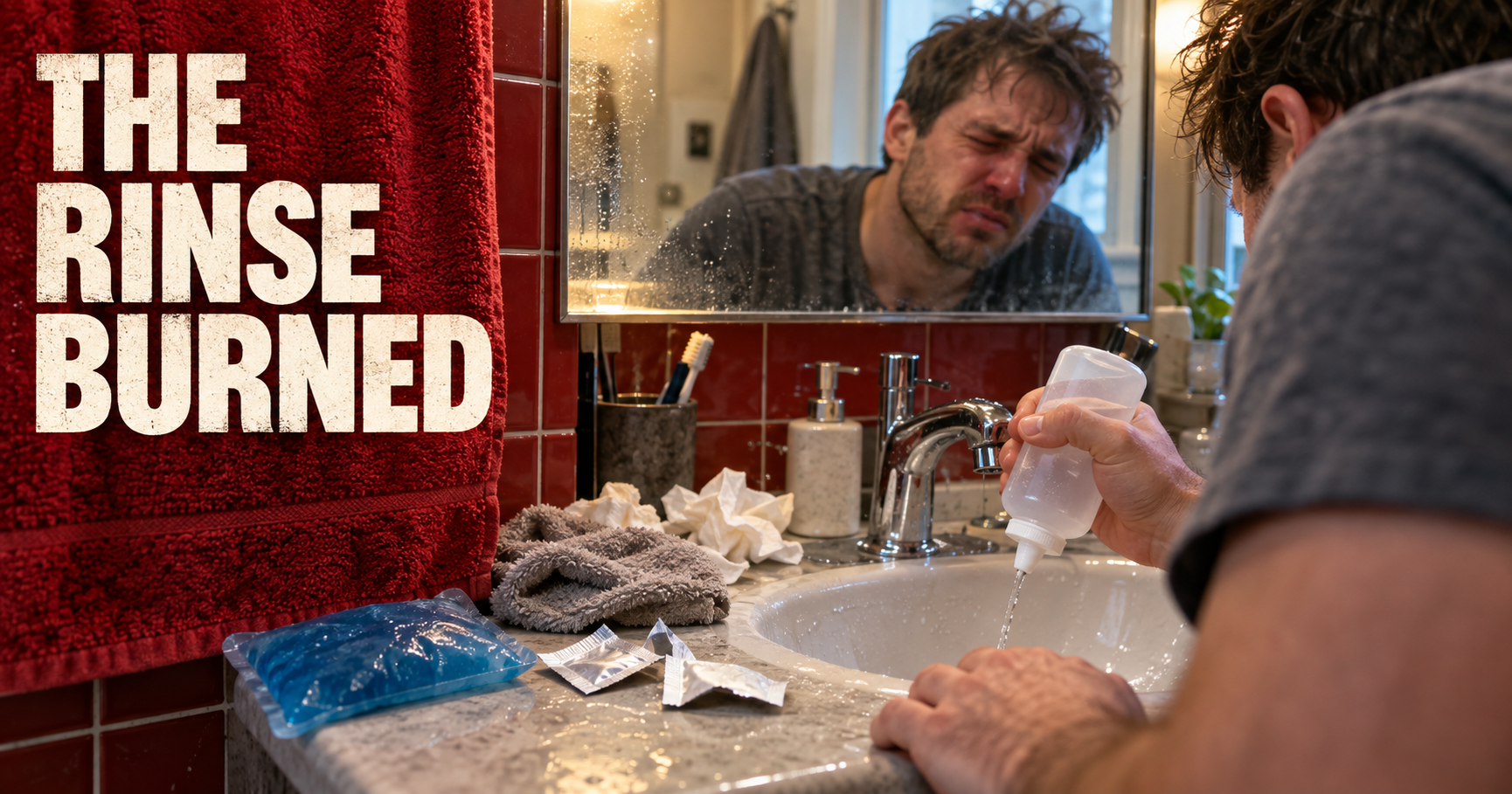
My experience with saline rinses while my stents were still in was one of those things I wish somebody had warned me about ahead of time.
What Not to Do When Your Nose Feels Blocked
When you cannot breathe through your nose, every instinct tells you to fix it right now. I had to fight that urge.
Here are the things I would not do without my surgeon specifically telling me to.
- Do not blow your nose just because you feel clogged.
- Do not keep squeezing a rinse bottle harder when nothing flows through.
- Do not pull on a visible stitch, crust, or anything that may be attached inside your nose.
- Do not shove cotton swabs, tweezers, or other tools deep inside.
- Do not assume somebody else’s recovery timeline is the same as yours.
- Do not wait quietly if your symptoms are getting worse instead of gradually improving.
The article on when I had to stop myself from blowing my nose explains why that one restriction was harder to follow than it sounds.
How I Tried to Make the Blocked Feeling More Bearable
Nothing completely fixed the blockage while my nose was in its roughest stage. I am not going to pretend a simple trick opened everything up.
But a few things made it more manageable.
I Stayed Upright as Much as I Could
Lying flat made the pressure feel worse for me. I spent a lot of time in a recliner or propped up with pillows.
It did not make my nose suddenly clear, but it helped me feel less like all the swelling was rushing into my face.
I Protected My Mouth From Constant Mouth Breathing
Since I could not breathe through my nose, my mouth took over. That caused dry lips, a dry throat, and a miserable feeling all night.
Keeping the air from getting too dry and taking care of my lips helped reduce the extra irritation. It did not solve the blockage, but it made the mouth breathing slightly less awful.
I Let the ENT Handle What I Could Not Safely Handle
This was hard for me because I wanted to fix it myself.
But when there are stents, stitches, thick crusting, and healing tissue inside your nose, there are limits to what you should try at home. My ENT could see what was going on and remove or clean what needed professional attention.
That was better than me turning a little crusting into fresh bleeding or a painful problem.

When a Blocked Nose After Septoplasty Needs a Call to the ENT
Some blockage is expected. A blocked nose that is getting worse, feels alarming, or comes with other symptoms is worth a call.
I would contact the surgeon’s office if I had:
- Heavy bleeding or bleeding that would not slow down
- Fever, chills, or feeling sick in a way that seemed beyond normal recovery
- Pus-like drainage, a strong foul smell, or worsening redness
- Severe pain that was getting worse instead of gradually improving
- A stent or splint that looked like it had shifted
- New swelling that became suddenly worse
- Severe headache, vision changes, or anything that worried me
- A blocked nose that did not improve at all after the time my surgeon expected it to
Your ENT office knows what was done during your surgery. They can tell you whether your level of blockage matches the stage of healing you are in.
A Blocked Nose Does Not Mean the Surgery Failed
This was the thought I kept having during the hard days. I had surgery to breathe better, and I could not breathe through my nose at all. It was easy to wonder whether I had made a mistake.
But early blockage is not the final outcome.
My nose needed time to get past the swelling, internal supports, dried blood, and healing tissue. The stents coming out helped. The swelling slowly settled. The crusting became easier to manage. None of it happened as fast as I wanted, but it did start moving in the right direction.
If you are early in recovery and your nose still feels completely blocked, follow your surgeon’s care plan, avoid forcing anything, and call when you are unsure. The first week can feel endless, but it is not the finished result.
About the Author: Dax Weaver shares his firsthand experience with septoplasty and sinus-surgery recovery on Sinus Struggles, including the uncomfortable details people are rarely warned about before surgery.