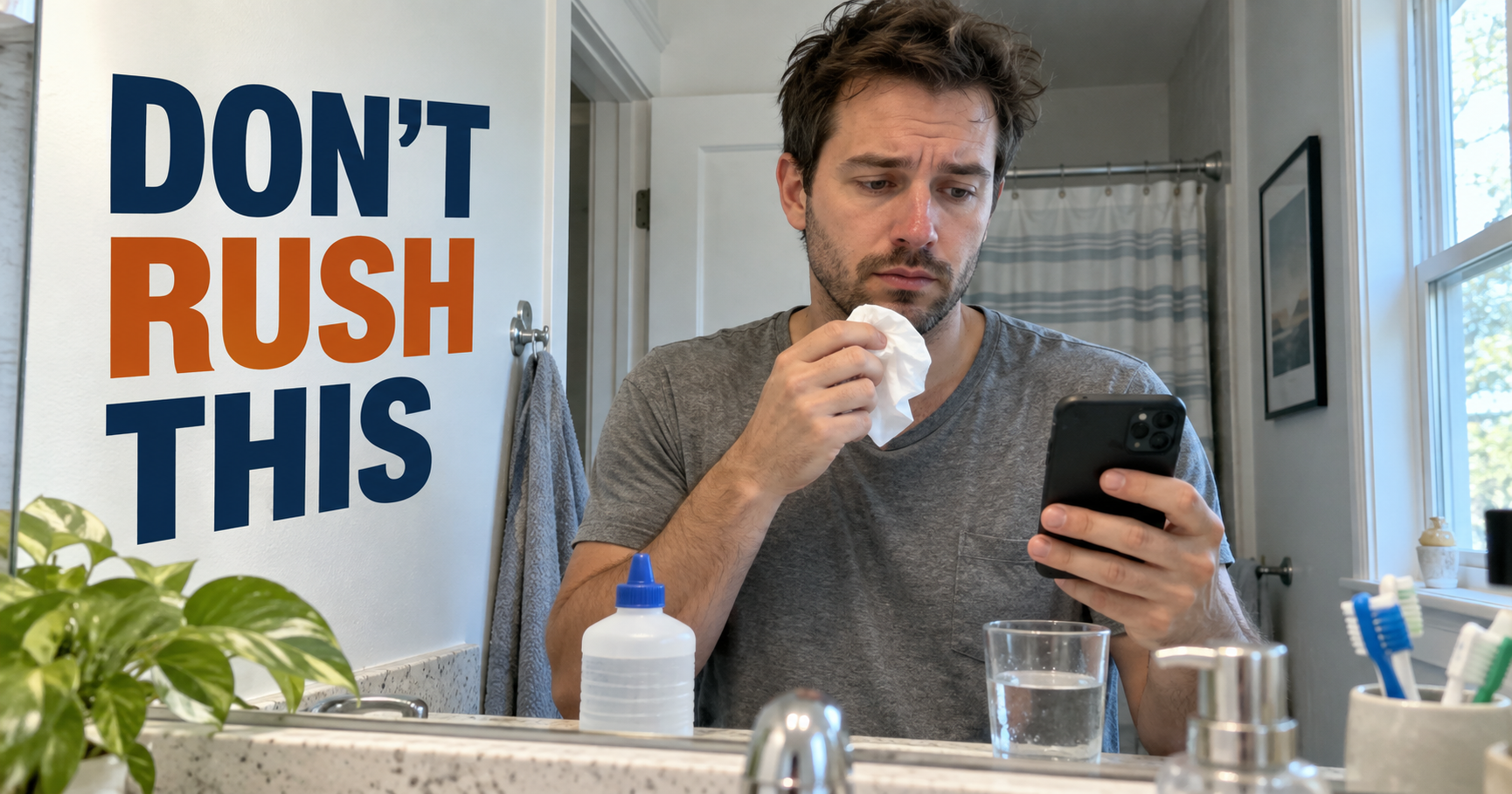
After my septoplasty and sinus surgery, being told not to blow my nose sounded simple until my nose became completely clogged with swelling, dried blood, mucus, and crusting. Then it became one of the hardest instructions to follow.
I wanted to blow my nose so badly. I felt stuffed up all the time, could barely breathe through my nostrils, and had that awful pressure that makes you feel like one good blow would fix everything. But blowing too soon can create pressure inside a nose that has just been operated on.
For me, the answer was not a certain number of days I could pull from the internet. My surgeon’s instructions were what mattered. Every surgery is different, and the right timeline depends on what was done inside your nose, whether you have stents or splints, how you are healing, and what your ENT wants you to do.
What I can share is why I had to wait, why my nose still felt blocked even when I wanted to blow it, what I did instead, and the times I would call the surgeon instead of trying to force anything out.
Why You Cannot Blow Your Nose Right After Septoplasty
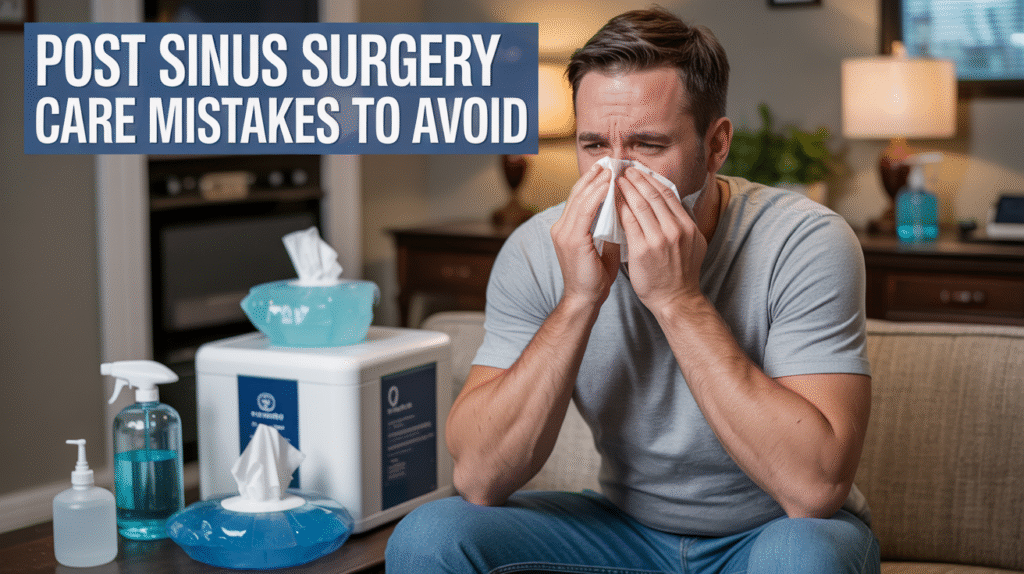
After septoplasty, the inside of your nose is not just a little sore. It is healing from surgery. You may have swelling, stitches, bleeding, crusting, packing, stents, splints, or some combination of all of it.
A hard nose blow raises pressure inside your nasal passages. That pressure can irritate healing tissue, trigger bleeding, hurt badly, or cause problems with whatever your surgeon repaired or placed inside your nose.
I knew I was supposed to avoid blowing my nose, but the reality of it did not hit me until I was home and completely congested. My nose felt sealed shut. I had plastic stents inside, the front of my nostrils kept drying out, and I could see crusted blood forming where I wanted to wipe or blow.
The problem was that I could not treat my post-surgery nose like a normal cold. I had to let the inside heal, even when it felt miserable.
My Nose Felt Like a Brick Wall

During the first several days, I could not breathe through my nose in any useful way. I was mouth breathing constantly, which dried out my lips and throat and made sleep even worse. That experience is also explained in this guide to a blocked nose during early recovery after septoplasty.
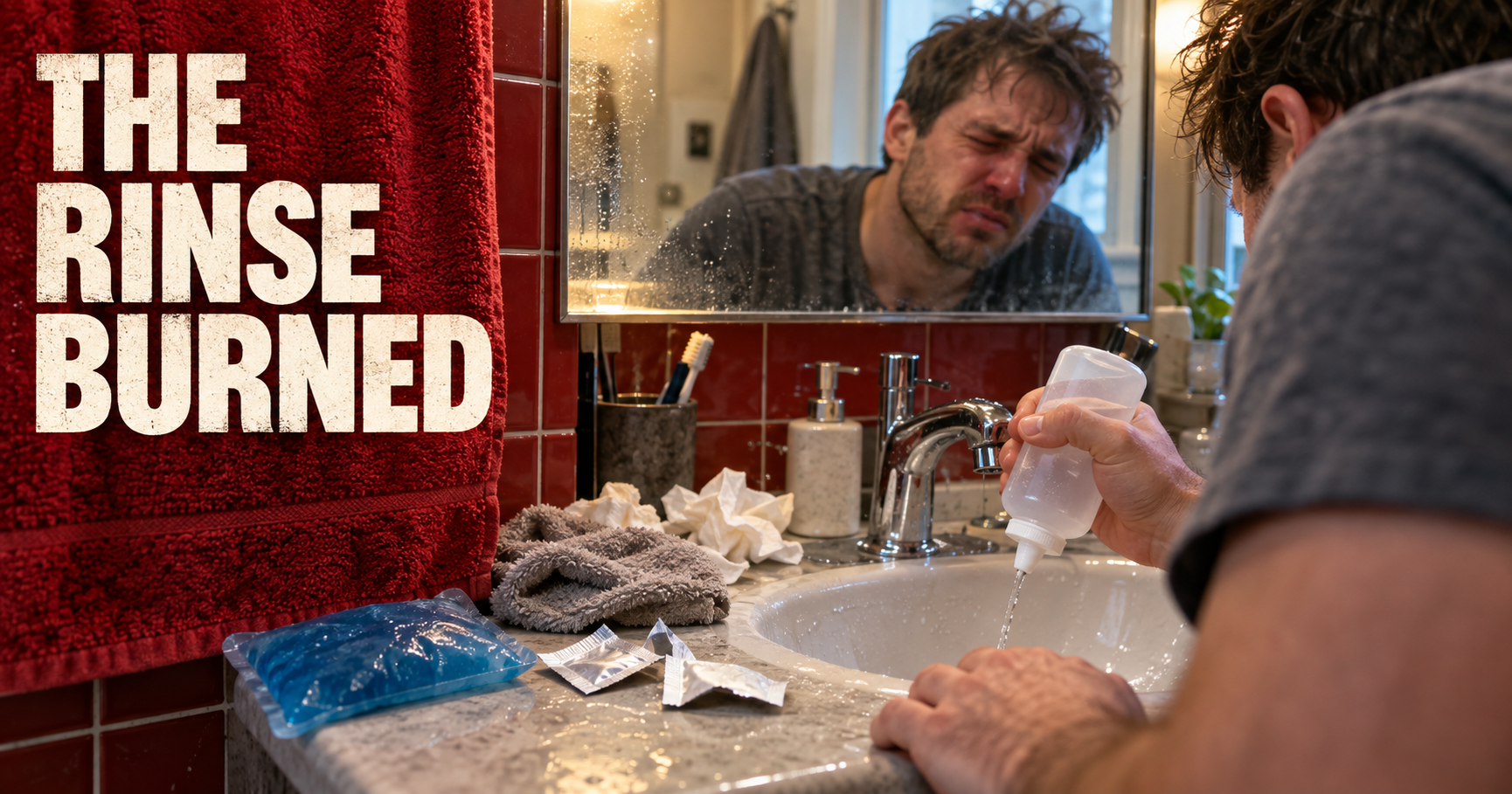
It felt like there was a solid wall inside my nose. Saline did not always flow through. There was swelling everywhere. Dried blood and mucus built up around the front of my nostrils. Then the stents took up even more room inside. That same blocked feeling is described in more detail in rinsing with nasal stents.
That was the frustrating part. I had the same urge anyone would have. I wanted to pinch my nose, blow hard, and clear it all out.
But I knew that a forceful blow could make things worse. I did not want to start bleeding again, disturb the stitches, or create more pressure around the painful surgical area. My job during those first days was not to force my nose open. It was to protect it while my body worked through the swelling.
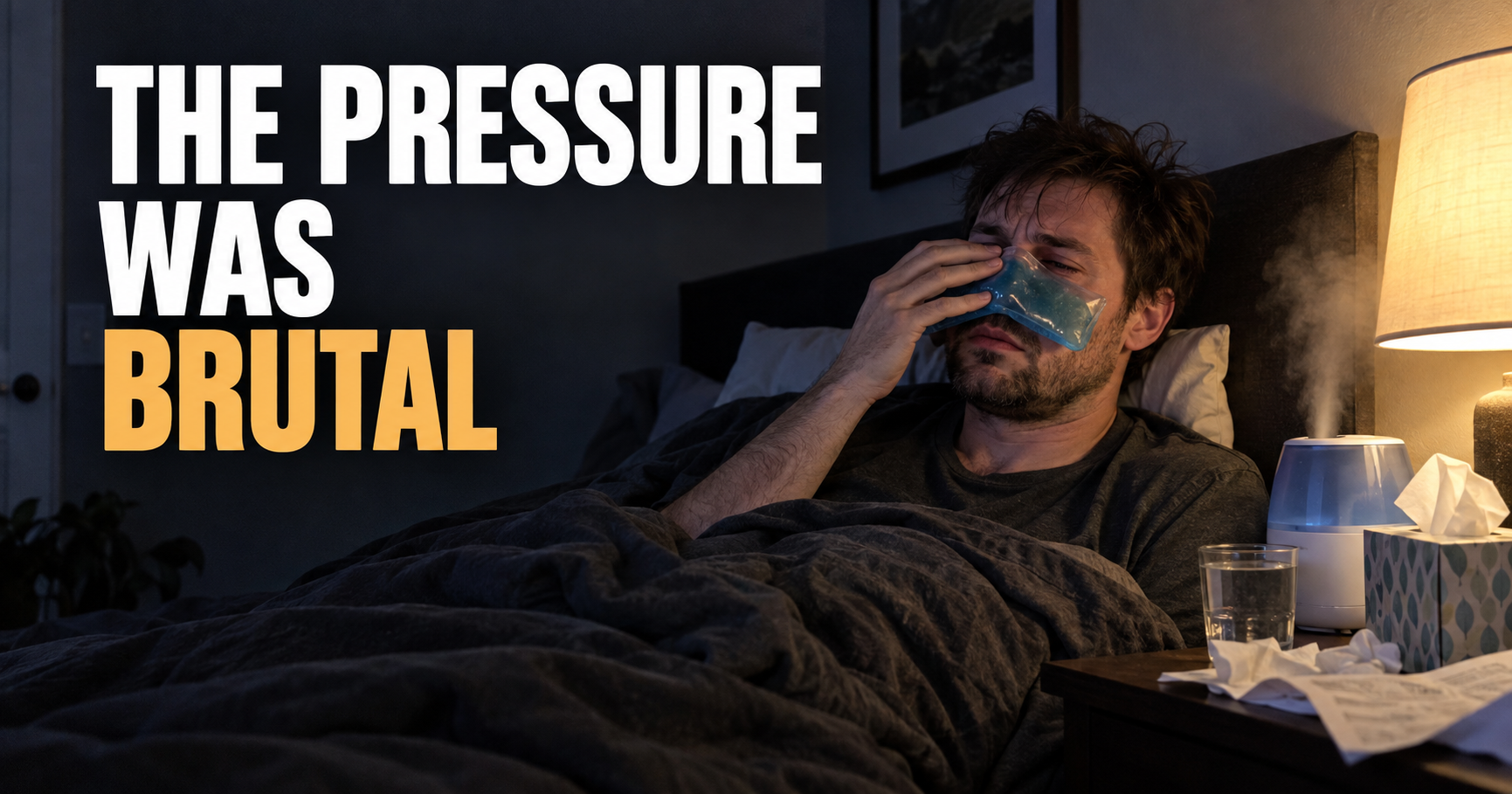
The hard truth about nasal stents after septoplasty explains why that blocked feeling can be so intense when you have internal supports in place.
When Can You Blow Your Nose After Septoplasty?
The safe answer is when your own surgeon says you can.
That may sound like a boring answer, but it is the honest one. Septoplasty recovery is not identical for everyone. A person who had a straightforward septoplasty may have different instructions from someone who also had sinus surgery, turbinate work, stents, splints, packing, bleeding issues, or a more complicated repair.
Do not use somebody else’s day count as permission to blow your nose. Ask your ENT office directly if you were not given clear instructions.
For me, I treated the no-blowing rule seriously during the early recovery stage. My nose was too swollen and irritated for it to be worth taking chances. Even when the pressure felt awful, I reminded myself that being clogged up was expected for a while. It did not mean I needed to force it open.
Why My Nose Stayed Blocked Even After Surgery
This was something I wish more people talked about before surgery. You can have septoplasty to improve breathing, then wake up and breathe worse than ever for a while.
That does not automatically mean the surgery failed.
Early on, your nose can be blocked by:
- Swelling inside the nasal passages
- Internal stents or splints
- Dried blood and mucus
- Crusting around the nostrils
- Healing tissue that is still very tender
- Normal inflammation after surgery
I had all of those things working against me. I did not walk out of surgery with wide-open airflow. I had to heal through the rough part first.
The pressure and blocked feeling can make a person panic because the whole reason for surgery may have been to breathe better. I get it. But the first days are not the final result.
What I Did Instead of Blowing My Nose
I did not have one miracle solution. It was more about doing the small things my surgeon allowed and not doing the thing I wanted to do most.
I Followed the Saline Instructions I Was Given
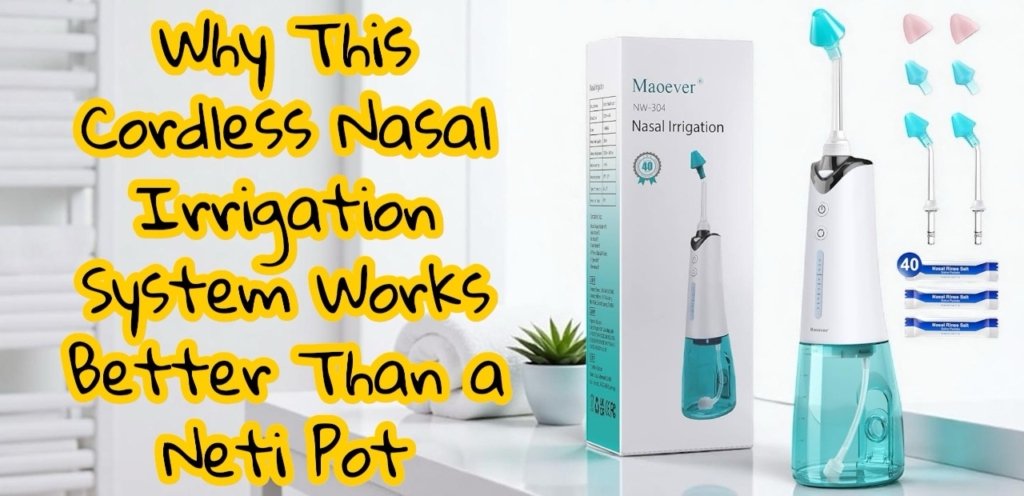
I used saline as instructed, even though it was frustrating when my nose was swollen and the stents were still in. Sometimes it felt like the saline was hitting a wall instead of moving through.
I did not interpret that as a reason to squeeze harder or force more pressure into my nose. If your rinse is painful, will not flow, or makes you unsure what to do, it is better to call the office and ask than to make up your own method.
I Gently Dabbed What Was Outside
There is a big difference between gently dabbing drainage from the outside of your nostrils and trying to blow everything out from inside.
I was careful around the front of my nose because the area was sore and crusted. Anything stuck inside could be connected to tender healing tissue. I did not want to pull on it and turn a miserable day into bleeding or more pain.
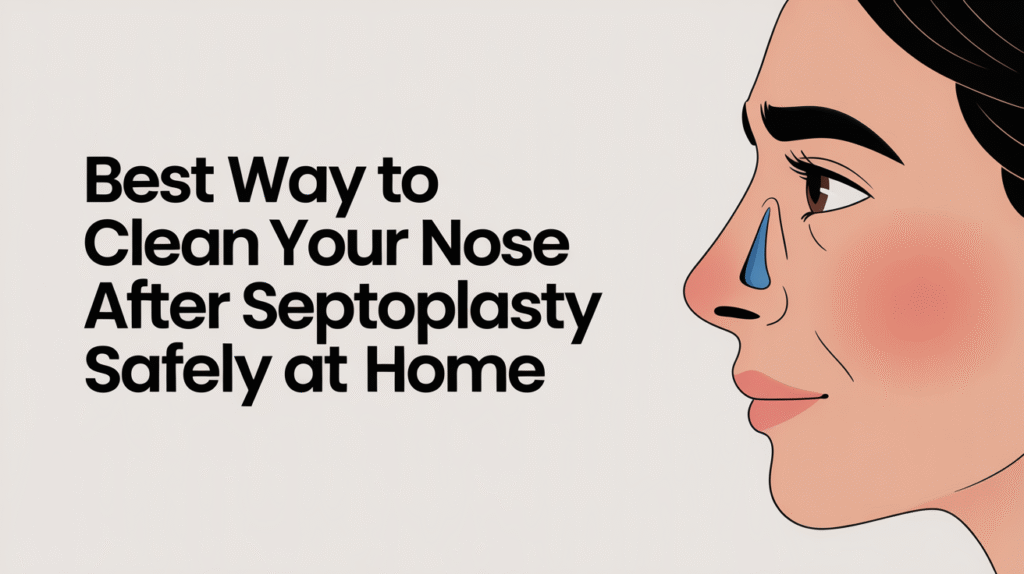
My article on how I dealt with dried blood and crusting after surgery explains the careful approach I had to take when the front of my nose kept getting blocked.
I Used Humidity for the Dryness
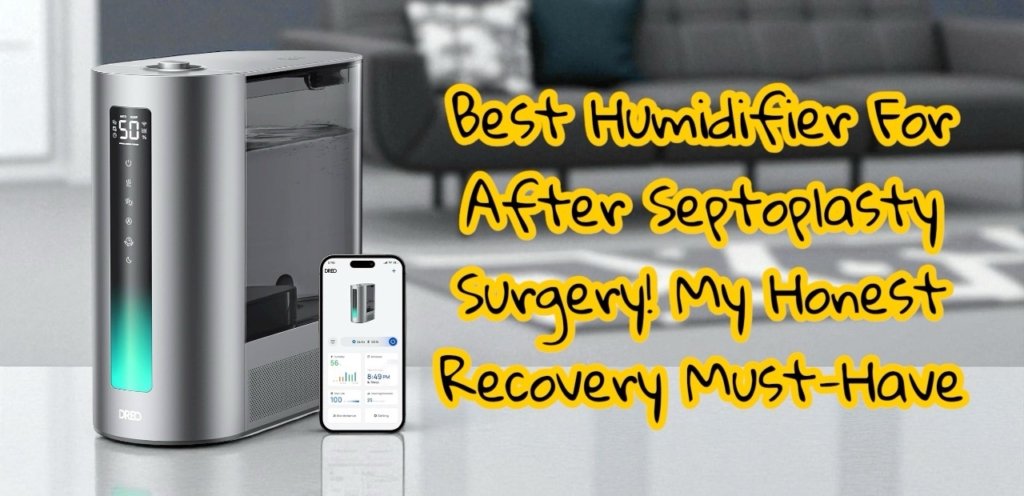
Mouth breathing dried me out badly. A humidifier did not make my nose magically open, but it helped take the edge off the dry, miserable feeling around my mouth and nostrils.
Sometimes the goal is not to fix every symptom immediately. Sometimes the goal is just making yourself a little more comfortable while you wait for the swelling to settle.
I Kept My Head Up and Rested
Lying flat felt worse for me during the early days. I spent a lot of time propped up because the pressure, mouth breathing, and poor sleep made everything feel heavier.
Resting did not clear my nose on command, but it gave my body the best chance to heal without me adding extra pressure or irritation.
What About Sneezing After Septoplasty?
Sneezing is one thing you cannot always control. I worried about it because any sudden pressure in my face already hurt.
If you need to sneeze, follow the instructions your surgeon gave you. Many people are told to sneeze with their mouth open rather than trapping the pressure inside their nose. But do not take a general internet tip as a replacement for your own surgical instructions.
The important point is not to clamp your mouth and nose shut to hold in a sneeze. If you are not sure what your surgeon wants you to do, call and ask before you are caught off guard.

What If You Accidentally Blow Your Nose Too Soon?
It happens. You may forget for a second, react to a tickle, or blow lightly without thinking.
If it happened once, do not immediately assume you ruined the surgery. Stay calm and pay attention to what follows.
I would contact my surgeon if I had heavy bleeding, a sudden major jump in pain, new swelling, a stent or splint that appeared to move, or anything that felt clearly different from my normal recovery symptoms.
If you gave one gentle accidental blow and nothing changed, it may not turn into a major problem. But your surgeon’s office is still the right place to get specific advice for your situation.
Do not keep testing it by blowing again to see if your nose is okay. That is how a small mistake can turn into repeated irritation.
Why Blowing Your Nose Felt So Tempting for Me
The worst part was that my nose did not just feel stuffy. It felt full of dried debris I could not remove.
I had crusting around my nose hairs, dried blood near the front of my nostrils, swelling, and internal stents. The whole situation felt like it needed to be cleaned out, but I was stuck waiting for it to soften and for the ENT to handle what I should not touch. Those trapped materials can also be behind an unpleasant smell after septoplasty without automatically meaning there is an infection.
That is where patience was hardest. I was already exhausted and hurting. I wanted a simple release of pressure. But trying to force things out could have made the stitches and healing tissue hurt even more.
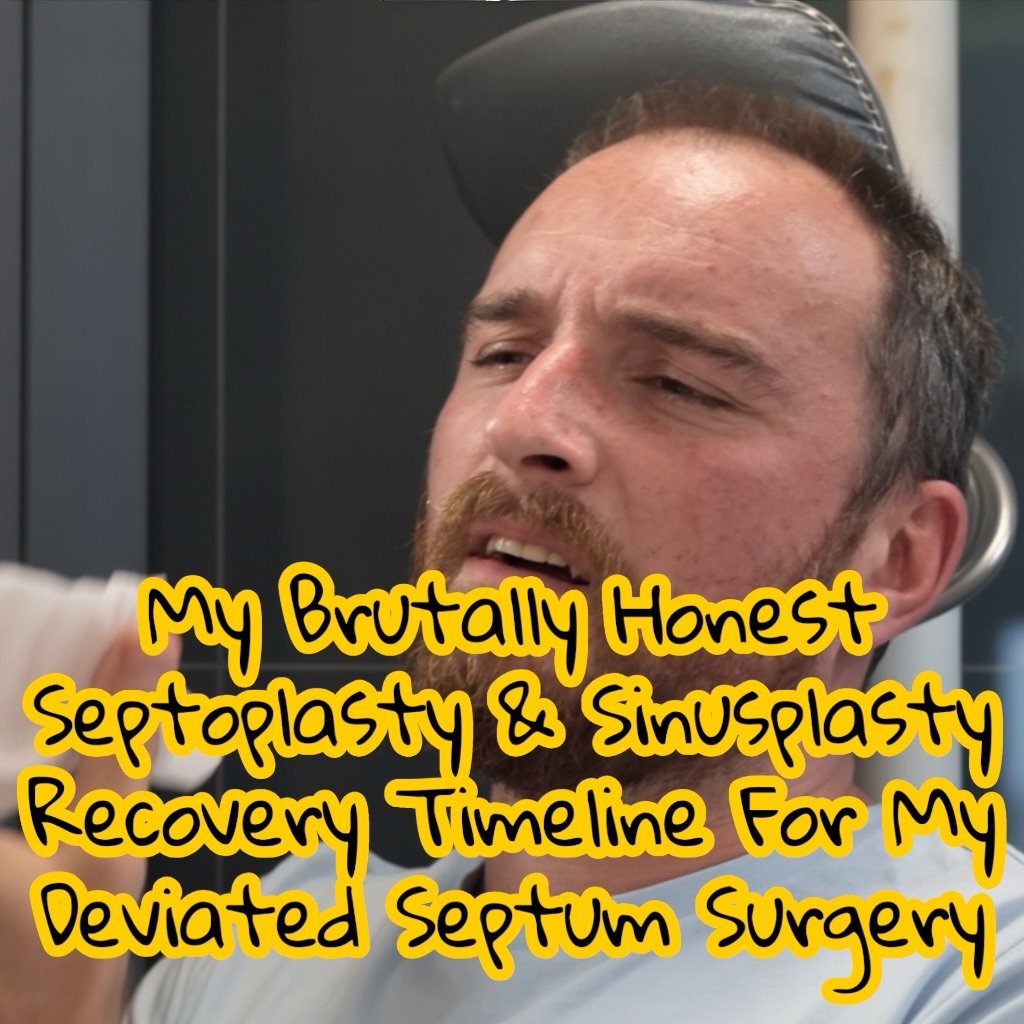
My full recovery timeline shares how rough those early days really were. I am not saying every recovery is like mine. I am saying that a blocked nose after surgery can feel much more intense than people expect.
When a Blocked Nose Is Worth Calling the ENT About
Some congestion, swelling, and crusting can be part of recovery. But you should call your surgeon if something seems wrong instead of waiting and worrying alone.
Reach out if:
- You have bleeding that is heavy or will not slow down according to your post-op instructions
- Your pain is getting worse instead of gradually improving
- You develop a fever, worsening redness, pus-like drainage, or a foul smell
- You feel like a stent or splint has moved
- You have a severe headache, vision changes, or symptoms that concern you
- You are not sure whether you are allowed to blow your nose yet
- You accidentally blew your nose and now have new pain, bleeding, or swelling
The ENT office would much rather answer a recovery question than have you guess and accidentally make yourself miserable.
The First Weeks Require More Patience Than I Expected
I thought the hardest part of surgery would be getting through the procedure itself. For me, the harder part was living through the early recovery when I could not breathe normally, sleep normally, talk normally, or even blow my nose when every instinct told me to do it.
My stents were removed on day 7, and that helped reduce some of the pressure. I still did not feel fully normal. I was still swollen and healing, but it finally felt like I was moving forward instead of being trapped at the worst point.
If you are in that same stage right now, do not let the urge to blow your nose convince you that you need to force something. Follow your surgeon’s instructions, use the care they approved, and call if you are unsure. The clogged feeling is miserable, but the early healing stage does not last forever.
About the Author: Dax Weaver shares his firsthand experience with septoplasty and sinus-surgery recovery on Sinus Struggles, including the uncomfortable details people are rarely warned about before surgery.