
The Only Ice Pack That Worked on My Septoplasty Pain
Struggling with sinus surgery pain? Here’s the best ice pack setup I used after septoplasty—including a DIY trick for under-the-nose swelling. Learn what truly worked.
Struggling with sinus surgery pain? Here’s the best ice pack setup I used after septoplasty—including a DIY trick for under-the-nose swelling. Learn what truly worked.
A normal CT scan does not always mean your sinuses are functioning normally. Mild inflammation, thick mucus, poor drainage, and sensitive tissue can still create daily pressure, so this breakdown explains what may be happening and which practical fixes actually help.
An old apartment turned Rachel’s sinuses into a cycle of pressure, congestion, and wet sock mornings until she moved. The practical fix starts in the bedroom, where dust-mite barriers, 40, 50 percent humidity, HEPA filtration, and hot-water bedding can target the biggest indoor triggers first.

Sinus pressure, ear clicking, dizziness, and congestion can feel like unrelated problems, but they often follow recognizable patterns. This free quiz uses where and when your symptoms show up to help narrow down what may actually be going on.
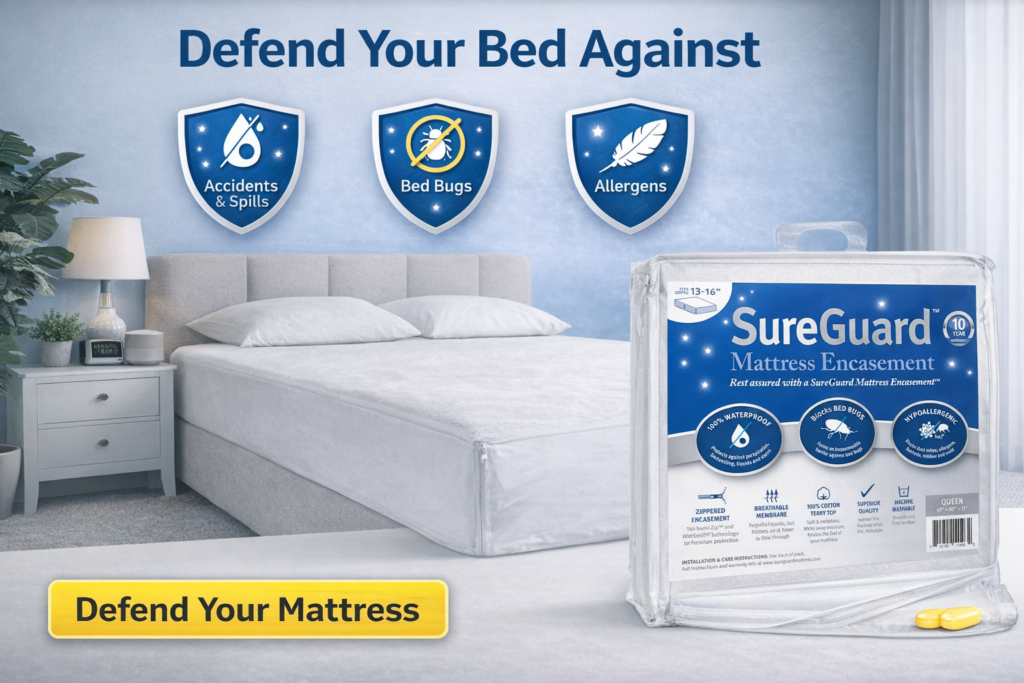
A mattress can quietly collect dust mites, dead skin, and moisture, exposing you to irritants for hours every night. A six-sided, waterproof encasement with a zippered closure helps trap those allergens and may mean less morning congestion and easier breathing.
Sinus pressure that keeps coming back may have less to do with needing another spray and more to do with dust, dry air, humidity, pets, or how you sleep. Answer a few quick questions to narrow down the trigger.

Is your nose still blocked after septoplasty? Here is what caused mine, what can be normal early on, and when to call your ENT.
Wondering if you should trim your nose hair before sinus surgery? Here’s what I wish I knew earlier — and the painless nose hair trimmer that would’ve made recovery way easier.