You finally lay down after a long day… and that’s when it hits.
Your nose gets more blocked. Pressure builds in your face. Your head feels heavier. Breathing feels harder. And somehow, everything gets worse the second you try to sleep.
If you’ve ever thought, “why do my sinuses get worse at night?” you’re not imagining it. There are real reasons this happens, and once you understand them, you can actually fix it instead of just dealing with it every night.
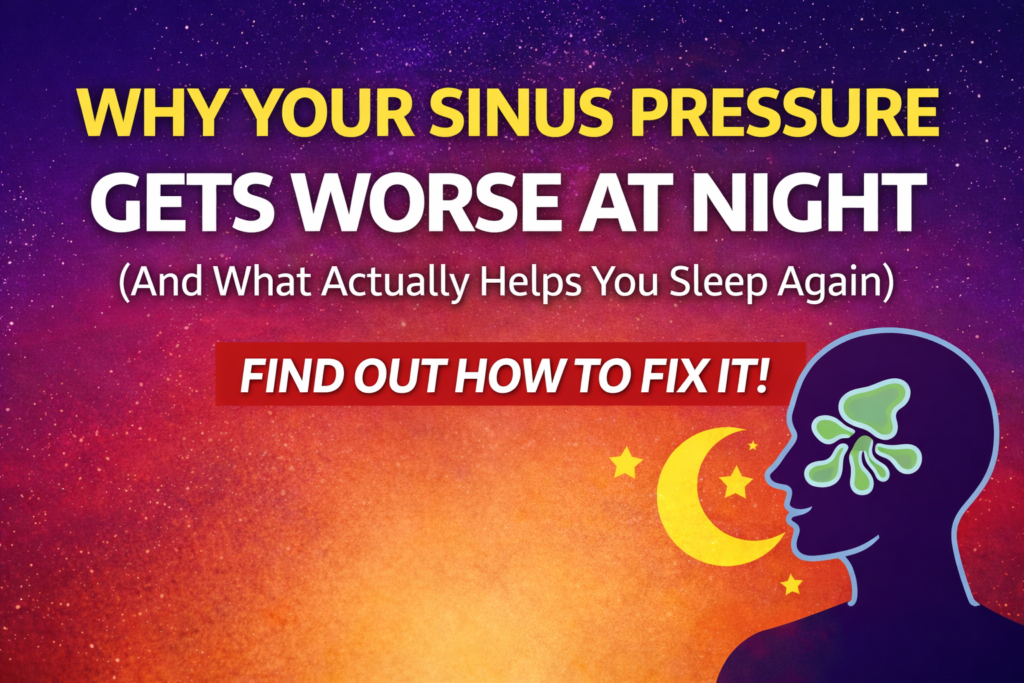
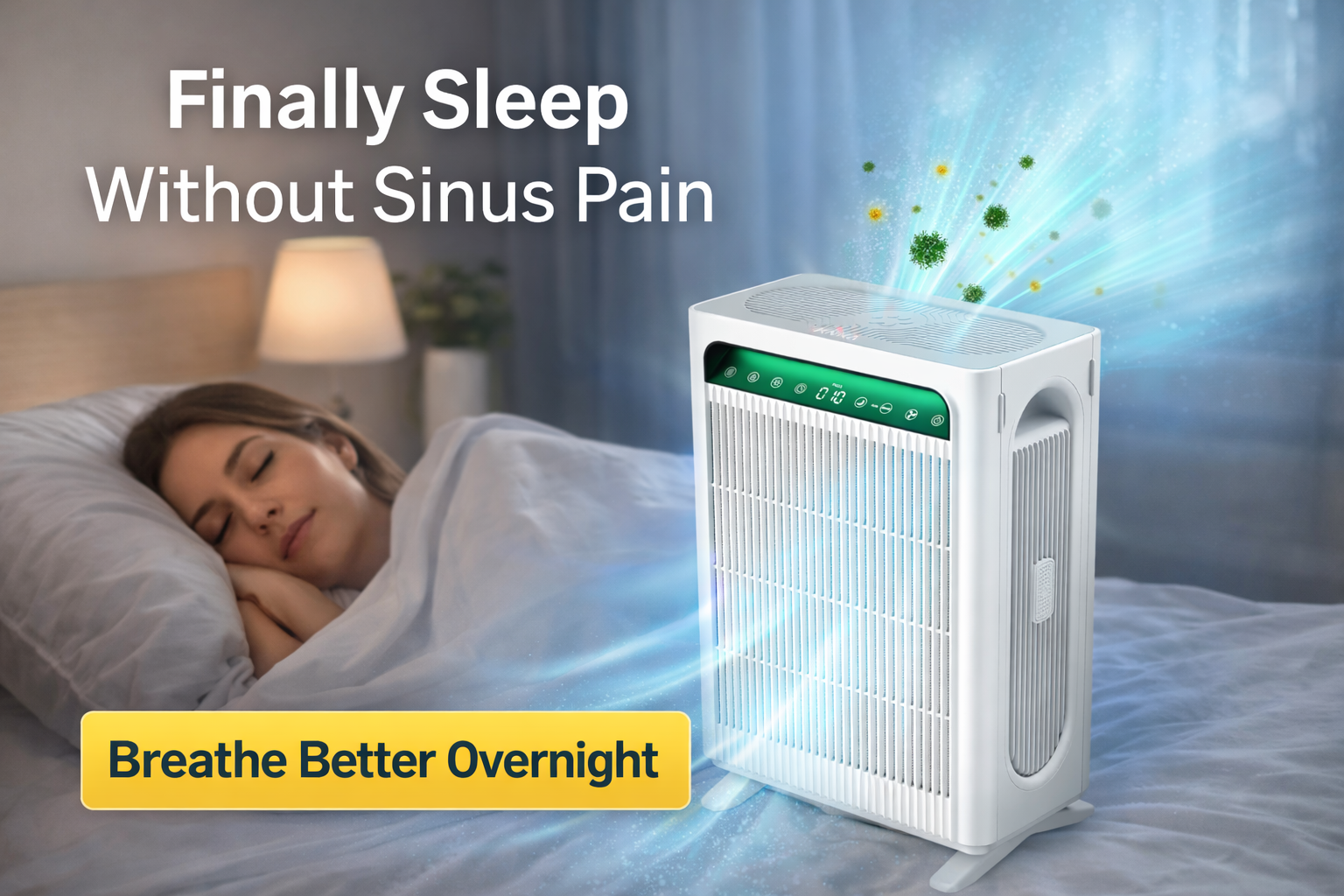
Why Sinus Pressure Gets Worse at Night
When you’re upright during the day, gravity helps your sinuses drain naturally.
The moment you lay down, that drainage slows way down.
Mucus starts to settle instead of moving. Pressure builds. And suddenly your sinuses feel way more blocked than they did just an hour ago.
This is especially frustrating if you already deal with constant pressure during the day. If that sounds like you, this connects perfectly with what’s going on here:
👉 why your sinus pressure won’t go away even when everything looks normal

The 5 Biggest Reasons Your Sinuses Get Worse at Night
There’s usually more than one cause. Most people are dealing with a combination of these.
1. Gravity Stops Helping Your Sinuses Drain
This is the biggest one.
During the day, mucus can slowly move out of your sinus cavities. At night, it sits there.
That buildup leads to:
- Pressure behind your eyes
- A heavy feeling in your forehead
- Congestion that suddenly feels worse
- More mouth breathing
Even if you felt okay earlier, laying down changes everything.
2. Your Air Gets Drier at Night
Most homes get drier overnight, especially if you’re running heat or AC.
Dry air thickens your mucus and irritates your sinus lining.
That leads to:
- More congestion
- Burning or dry feeling in your nose
- Increased pressure
If you wake up feeling worse than when you went to bed, dry air is usually part of the problem.
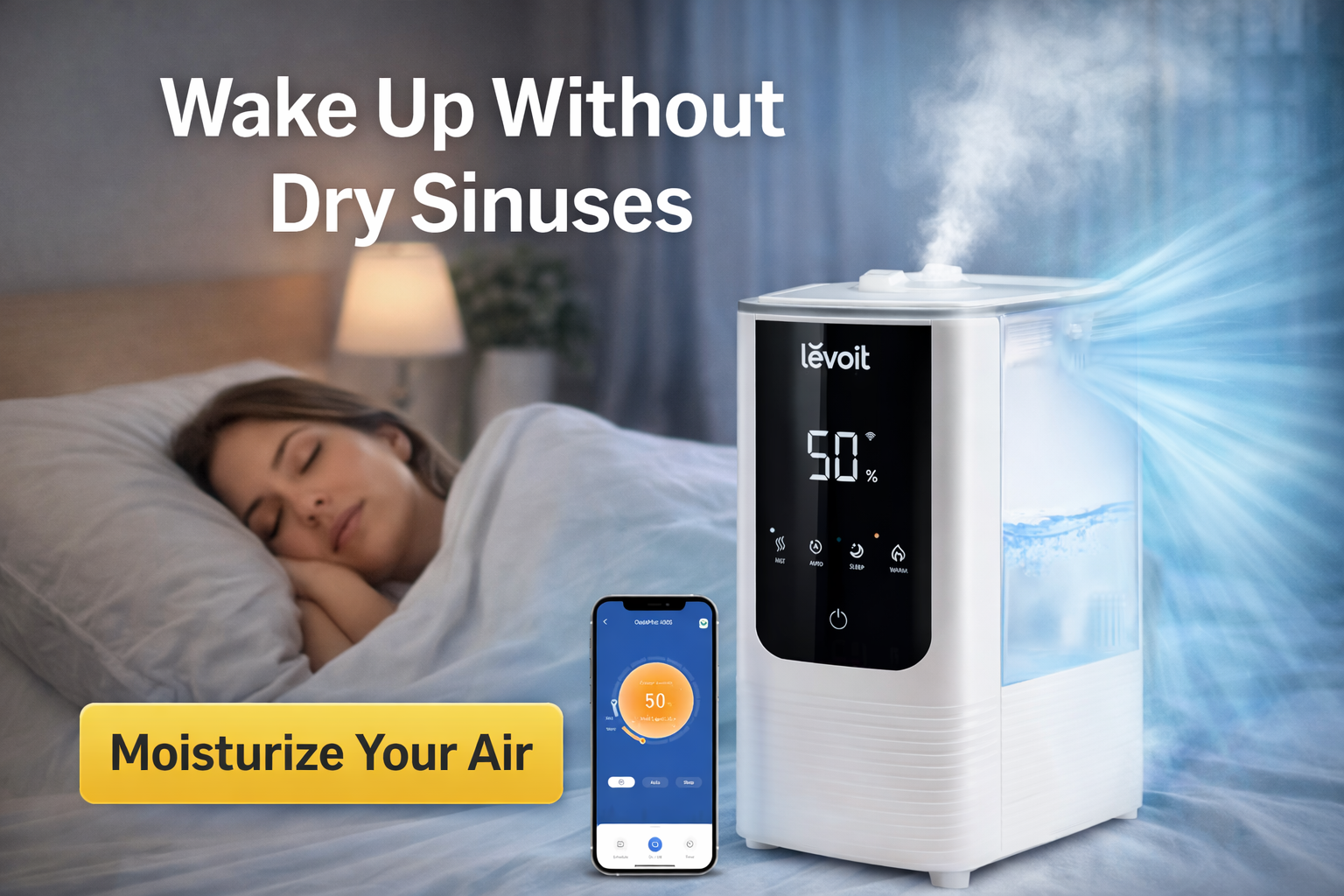
This is where a humidifier can make a huge difference:
👉 smart humidifier that helps stop dry sinus pain fast
3. Dust and Allergens Build Up in Your Bed
You spend hours with your face pressed into your pillow every night.
If your bedding is holding dust, dander, or allergens, your sinuses are getting hit with it nonstop while you sleep.
That can lead to:
- Waking up congested
- More pressure overnight
- Irritation that builds while you’re lying still
This is why reducing allergens in your sleeping area matters more than most people realize:
👉 stop allergens that trigger sinus problems
4. Your Sinuses Aren’t Clearing Before Bed
If your sinuses are already partially blocked when you lay down, everything gets worse fast.
That’s why nighttime pressure is often a sign that your sinuses aren’t draining well during the day.
This is where proper sinus rinsing becomes a game changer.
If you’ve struggled with congestion that never fully clears, this is worth checking out:
👉 electric sinus rinse machine that actually works and doesn’t hurt
5. Inflammation Builds Throughout the Day
Your sinuses deal with triggers all day long.
Dust. Air quality. Temperature changes. Allergens.
By nighttime, that irritation has built up.
That’s why your symptoms often peak when you try to sleep.
Improving your environment during the day can help reduce how bad nights feel:
👉 air cleaner that targets sinus triggers fast
What Actually Helps Sinus Pressure at Night
This is where things start improving… when you take the right steps before you lay down.
1. Rinse Your Sinuses Before Bed
This is one of the most effective habits you can build.
Clearing out your sinuses before laying down prevents that overnight buildup.
A good rinse system can:
- Remove mucus
- Flush out irritants
- Open your passages
If you’ve only tried basic methods before, this option tends to work much better:
👉 powerful sinus rinse system that actually clears you out
2. Add Moisture to the Air
Dry air makes everything worse at night.
A humidifier helps keep your sinus passages from drying out and tightening up.
That alone can make breathing feel easier within a few nights.
If your home tends to be dry, this is one of the easiest improvements you can make:
👉 best way to stop dry sinus pain fast
3. Use Steam Right Before Bed
Steam helps loosen everything up quickly.
Even a few minutes can make a difference.
A hot shower works, but a focused steam inhaler works faster and more directly.
This one has been really effective for nighttime relief:
👉 steam inhaler for fast sinus pressure relief
4. Keep Your Sleeping Area Clean
This matters more than people think.
Try:
- Washing pillowcases often
- Using protective covers
- Vacuuming regularly
- Keeping pets off the bed
These small changes reduce constant irritation while you sleep.
5. Stay Hydrated Before Bed
If you’re even slightly dehydrated, your mucus thickens.
That alone can make your sinuses feel more blocked at night.
Drinking enough water during the day helps keep everything moving.
This explains how much hydration really affects your sinuses:
👉 how hydration affects sinus healing


The Nighttime Sinus Routine That Actually Works
If you want a simple routine that makes a real difference, this is what works for most people:
- Rinse your sinuses before bed
- Use steam for a few minutes
- Run a humidifier while you sleep
- Keep your bedding clean
- Stay hydrated during the day
It doesn’t need to be complicated. Just consistent.
When Nighttime Pressure Means Something More
If your symptoms are severe or never improve, there could be a deeper issue.
Things like:
- Chronic sinus inflammation
- Structural problems
- Long-term drainage issues
If you’re dealing with constant pressure even during the day, this article breaks that down in a way that really helps:
👉 why your sinus pressure won’t go away even when everything looks normal
Why This Keeps Happening Night After Night
It usually comes down to a cycle:
- Poor drainage during the day
- Gravity slowing everything at night
- Dry or irritating air
- Built-up inflammation
Once you break that cycle, nights start getting easier.
You breathe better. Sleep better. And wake up feeling clearer instead of worse.
As an Amazon Associate we earn from qualifying purchases through some links in our articles.