Can’t sleep after septoplasty? Here’s exactly what to expect each night of the first week, how to set up your bedroom before surgery, and what actually makes the nights more bearable.
Sleep after septoplasty sounds simple in theory. Rest up, let your body heal, get plenty of sleep. What your surgeon probably did not tell you is that getting actual restful sleep in the first week after surgery is genuinely one of the hardest parts of the whole recovery.
You cannot breathe through your nose. You cannot lie flat. The pain spikes the moment you try to get comfortable. The stents feel like plastic plugs blocking your entire airway. And every time you finally drift off, you wake up an hour later with your mouth completely dry and your face throbbing. These challenges are easier to handle when you know which choices can interfere with healing, as described in Post Sinus Surgery Care Mistakes That Nearly Ruined My Recovery.
If that sounds familiar, you are not doing anything wrong. That is just what the first week of septoplasty recovery looks like for most people, and nobody adequately prepares you for it. This article covers exactly how to set yourself up to sleep as well as possible after surgery, what is normal to experience at night, and what you can do when it feels impossible.
Why Sleep Is So Difficult After Septoplasty
Understanding why sleep is hard makes it easier to address the specific problems rather than just feeling like everything is wrong at once.
There are four main reasons nighttime is brutal in the first week after septoplasty:
- You cannot breathe through your nose at all. Between the surgical swelling and the stents holding your septum in place, your nasal passages are effectively sealed shut. Mouth breathing all night is exhausting, drying, and makes sleep feel shallow and unrestful even when you do manage to stay asleep.
- You cannot lie flat. Lying completely flat after septoplasty increases blood flow to the surgical site, worsens swelling significantly, and raises the risk of bleeding. Your surgeon will tell you to keep your head elevated, which sounds simple until you realize sleeping at an angle for a week straight is deeply uncomfortable for most people.
- Pain is worse at night. This is not specific to septoplasty but it is especially pronounced here. Inflammation peaks in the overnight hours, pain medication from your last dose may be wearing off, and there are no daytime distractions to keep your mind off the discomfort.
- Anxiety about the recovery amplifies everything. Lying in the dark with a face full of pressure, unable to breathe normally, wondering if something has gone wrong is a specific kind of misery. It keeps your nervous system activated at exactly the time it needs to be winding down.
Knowing these are the problems, here is how to address each one directly.


The Most Important Thing: Head Elevation
This is not optional and it is not something to do roughly. Keeping your head properly elevated after septoplasty is one of the most important things you can do for your recovery, both for healing and for making sleep more bearable.
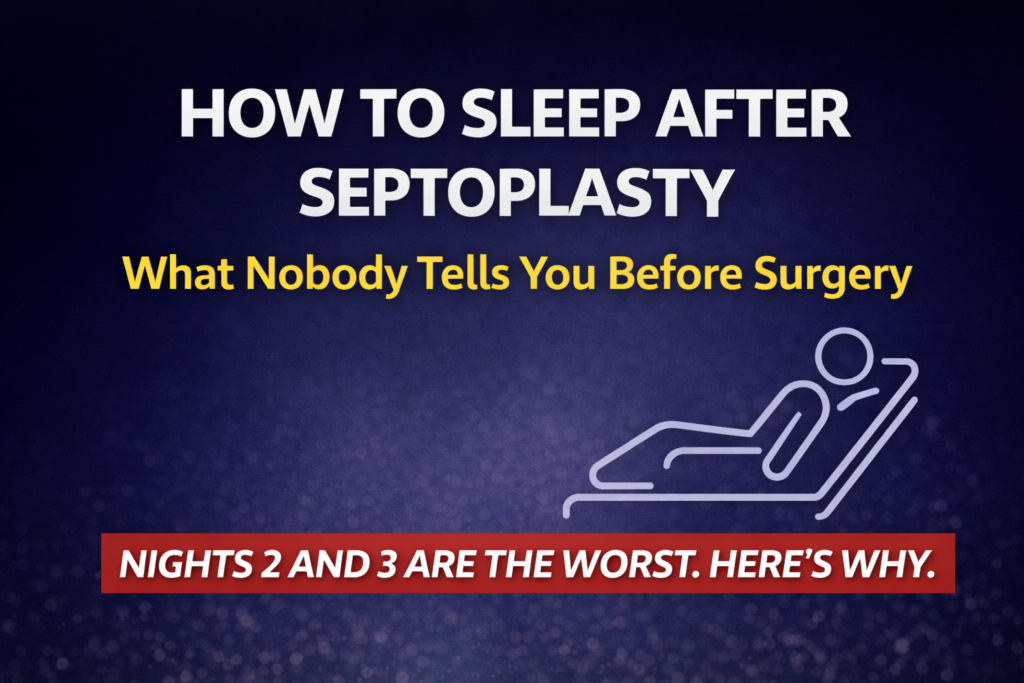
The goal is roughly a 30 to 45 degree angle. That is not just an extra pillow under your head. That is your entire upper body raised enough that your head, neck, and shoulders are all on an incline.
Here is what actually works:
- A recliner chair — this is genuinely the best option for the first three to five days. It keeps you at the right angle, supports your whole body, and is adjustable when you need to shift. A lot of people who had septoplasty will tell you they slept in their recliner for the first week and it made a significant difference.
- A wedge pillow — if you do not have a recliner, a proper wedge pillow that raises your entire upper body from behind is the next best option. Regular pillows stack badly, shift overnight, and usually leave you flat again by 3 AM. A wedge stays in place.
- Stacked firm pillows as a last resort — it works but you will spend a portion of every night repositioning them. If you are going this route, use at least three pillows and place them in a slight V shape so they support your shoulders, not just your head.
Do not try to sleep on your side in the first week. Side sleeping puts lateral pressure on your nose and face, risks bumping the surgical site, and tends to concentrate swelling on the lower side. On your back with elevation is where you want to be.
Managing the Mouth Breathing Problem
Mouth breathing all night is one of the most miserable parts of the first week, and it creates its own set of problems that make sleep worse.
When you breathe through your mouth for hours, your throat dries out completely. You wake up with a throat so dry it is raw. Your lips crack. Your tongue feels like sandpaper. And none of that makes going back to sleep easier.
A few things genuinely help here:
- Run a humidifier in your bedroom all night. This is the single most impactful thing you can do for mouth breathing discomfort. When the air has moisture in it, the drying effect of mouth breathing is significantly reduced. The humidifier that made the biggest difference during septoplasty recovery is worth reading about before surgery so you have it ready before you need it. Running a humidifier without thinking is one of those things where waiting until day two when you are desperate is too late.
- Keep water on your nightstand. When you wake up at 2 AM with a completely dry throat, you do not want to have to get up and find water. Small sips whenever you wake up make getting back to sleep significantly easier.
- Apply lip balm before bed and keep it reachable. Cracked, raw lips from a week of mouth breathing are painful in a specific way that compounds everything else. Applying lip balm before sleep and after every time you wake up is the kind of small thing that makes a noticeable difference by day three.
- Throat lozenges or hard candy nearby. Not a cure, but sucking on something stimulates saliva production and temporarily relieves the dry throat misery enough to help you drift back off.
Pain Management and Sleep
Pain that wakes you up at night is one of the most frustrating parts of the first week. Here is how to approach it strategically rather than reactively.
Stay Ahead of the Pain, Not Behind It
The biggest mistake people make with pain medication after septoplasty is taking it only when the pain becomes unbearable. By the time you are at a nine out of ten, you are already in a cycle where the medication takes 30 to 45 minutes to work, you cannot sleep in the meantime, and you are exhausted on top of the pain.
Set an alarm to take your pain medication on schedule through the night for at least the first three to four days. Yes, this disrupts sleep. But waking up once to take medication on schedule is far less disruptive than waking up in significant pain and then lying awake for an hour waiting for relief.
Talk to your surgeon before your procedure about what the overnight medication plan looks like so you are not figuring it out at 3 AM on day two.
Ice Before Bed

Cold therapy on the face before you try to sleep reduces swelling and numbs the throbbing enough to make lying down more tolerable. Do not apply ice directly to your nose. Apply it to your cheeks and the areas around your nose for 15 to 20 minutes before bed. For a more convenient way to apply cold therapy, cooling relief for facial pressure may help ease facial pressure before bed.
The right cold pack makes this much easier than trying to hold a regular ice pack in place. The ice pack that actually worked for septoplasty pain covers the specific design features that matter for post-surgical face pain, and having it ready before surgery is one of those things you will be very glad you did.
Sinus Pressure at Night
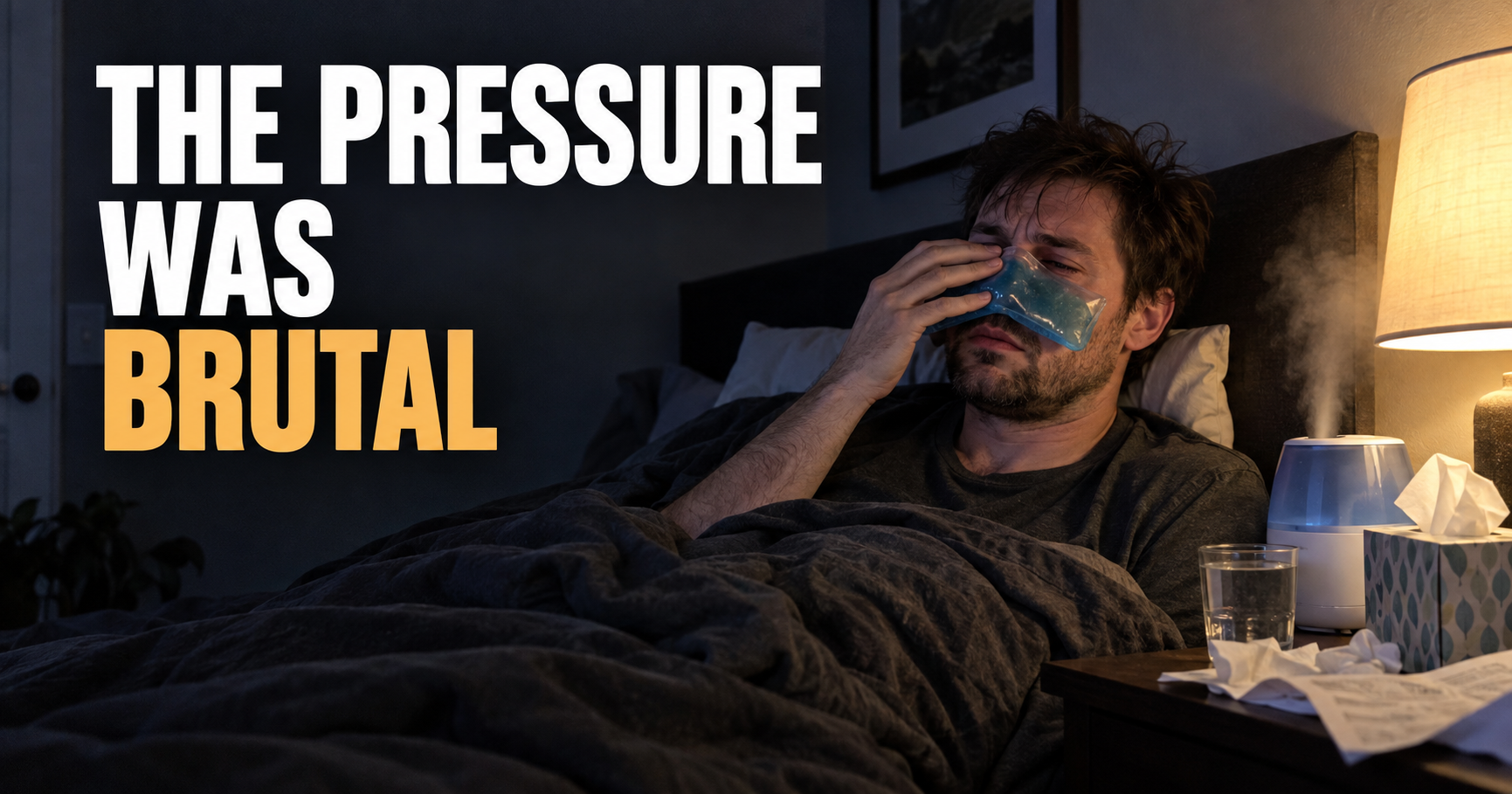
The pressure behind your eyes and across your face tends to be worst when you first lie down and in the early morning hours. This is partly swelling, partly the blood pooling that happens when you go horizontal, and partly the inflammatory cycle that peaks overnight.
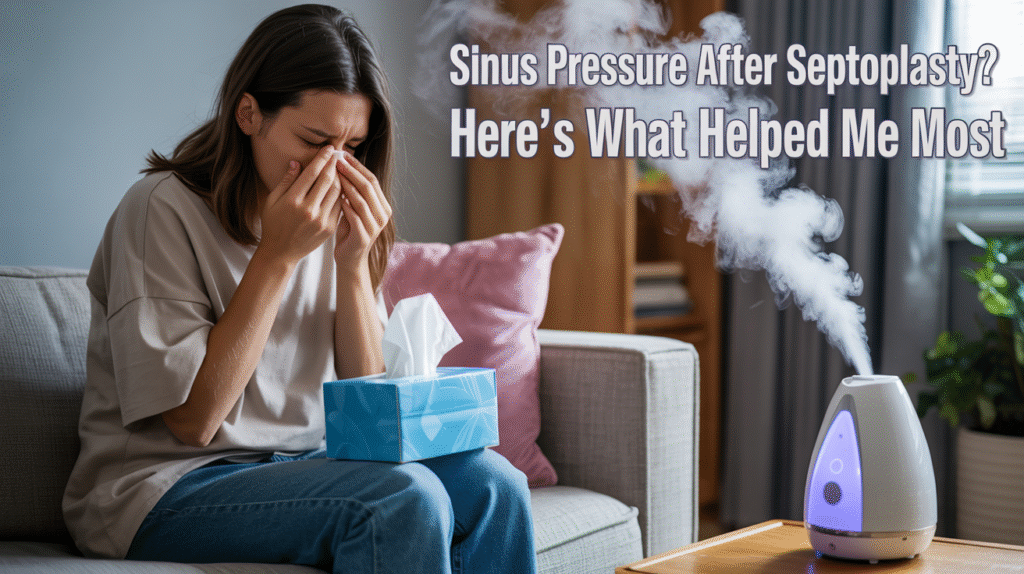
Elevation, ice, and staying on your medication schedule address this directly. But understanding why the pressure feels so much more intense at night, specifically after nose surgery, can help you feel less alarmed by it. Why sinus pressure after nose surgery feels so overwhelming is worth reading before your surgery so the nighttime pressure does not feel like a sign something went wrong.

Your Bedroom Setup Before You Come Home From Surgery
This is something to do before surgery day, not after. When you come home from septoplasty you are going to be groggy, uncomfortable, and in no state to set anything up. Having your recovery space ready the night before your procedure is one of the most practical things you can do.
Here is what your bedroom needs to have ready:
- Your elevated sleeping setup — recliner ready, or wedge pillow in position on your bed
- Humidifier filled and positioned — running before you even try to sleep the first night
- Water bottle on the nightstand — large enough that you will not drain it at 2 AM and have nothing left
- Lip balm and any throat lozenges within arm’s reach
- Your ice pack in the freezer and ready to go
- Phone charger at the nightstand — you will be on your phone more than usual during sleepless stretches and running out of battery at 4 AM is a specific kind of frustrating
- Extra gauze or drip pads nearby — drainage in the first day or two is normal and having supplies accessible without needing to get up is helpful
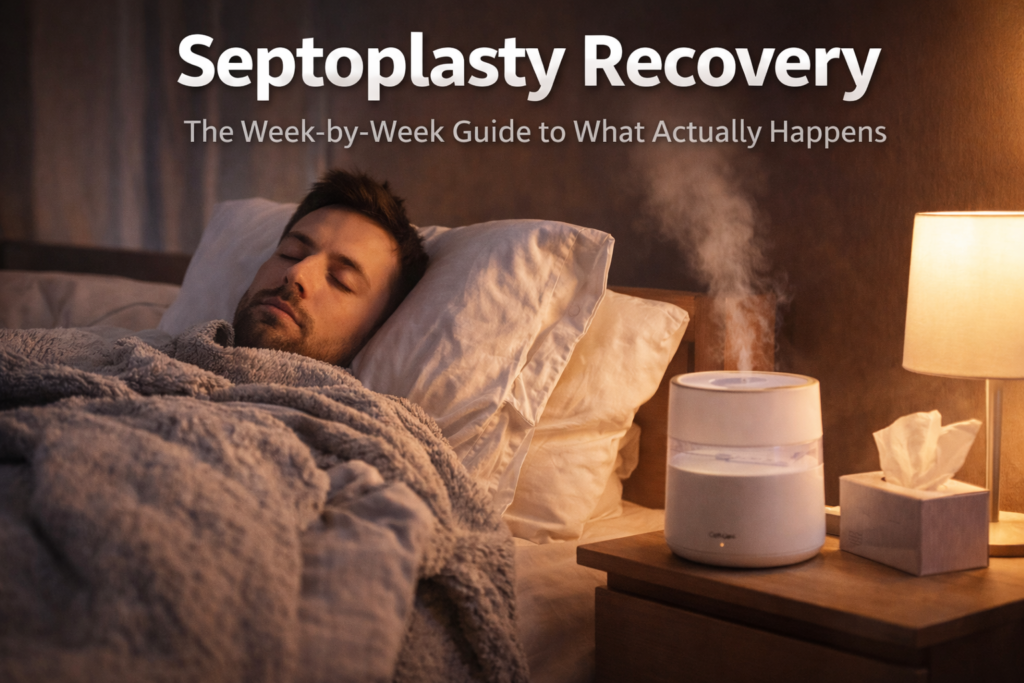
The general principle of preparing your recovery space before surgery is covered in detail in the complete week-by-week septoplasty recovery guide, which is worth reading thoroughly before your procedure date so none of what happens after surgery comes as a surprise.
What Each Night of the First Week Typically Looks Like
Recovery does not follow a clean upward line and the nights reflect that. Here is an honest picture of what to expect so you can gauge whether what you are experiencing is normal.
Night 1 — Surgery Night
Night one is usually manageable, not because things are comfortable but because you are still coming off the surgical anesthesia and the initial medication doses. Many people sleep in longer stretches on night one than on any other night in the first week. Do not be fooled into thinking recovery is going well based on this night. It is about to get harder.
Nights 2 and 3 — The Hardest Nights
This is when most people hit the wall. Swelling peaks around day two to three, the anesthesia effect is completely gone, and the reality of not being able to breathe through your nose for the foreseeable future sets in. Sleep on these nights is often fragmented, frustrating, and exhausting.
This is normal. This is not a sign something went wrong. It is just the peak of the acute recovery phase, and it does pass. Staying on your pain medication schedule through the night matters most on these two nights specifically.
The emotional component of this stretch is real too. Lying awake in the dark unable to breathe normally, in pain, questioning whether you made the right decision having the surgery — that is something a lot of people go through and almost no one talks about. The brutally honest septoplasty recovery timeline goes into this stretch in specific detail because it is the part of recovery that catches people most off guard.
Nights 4 and 5 — Still Hard But Shifting
You are still not sleeping well, but most people notice something has shifted slightly. The acute pain is starting to become a lower-grade discomfort in between spikes. You might get one longer sleep stretch, maybe three or four hours, before waking up. Take it as the small win it is.
Mouth breathing is still a constant. Keep the humidifier running. Keep the water close. Keep using the ice pack before bed.
Night 7 — Around Stent Removal
Most people have their stents removed around day seven at a follow-up appointment. The night after stent removal is often the first night that feels meaningfully different. You may be able to get some air through your nose for the first time, even if it is partial. Even a small amount of nasal airflow compared to what you have been dealing with can feel enormous.
Sleep on this night is often significantly better for many people. Not back to normal, but genuinely better. Use it as your signal that the worst is behind you.

After the First Week — Getting Back to Normal Sleep
Once the stents are out and the worst of the acute swelling starts to recede, sleep gradually improves. But there are still some things worth keeping in mind through week two and beyond.
Keep Elevating for at Least Two Weeks
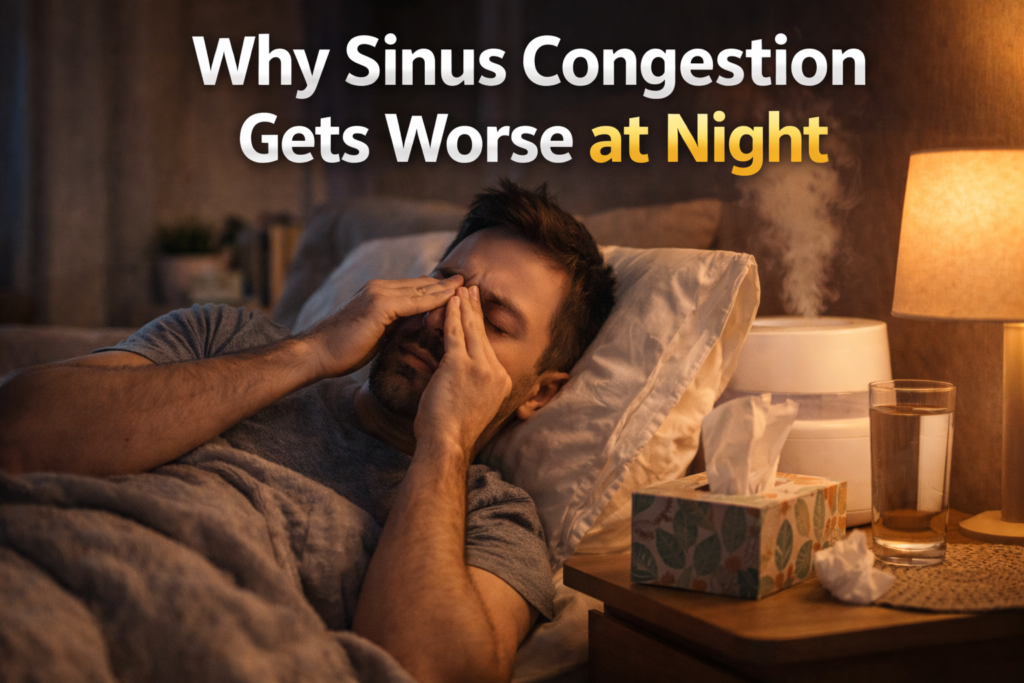
Most surgeons recommend sleeping with your head elevated for at least two weeks after septoplasty, sometimes longer. Even after you start feeling better, lying completely flat too soon can worsen residual swelling and slow the healing of your internal tissue. Ease back to your normal sleeping position gradually rather than all at once the day you feel like you can. The same elevation strategy can help beyond surgical recovery, as explained in this nighttime sinus congestion guide.
Nasal Rinses in the Evening
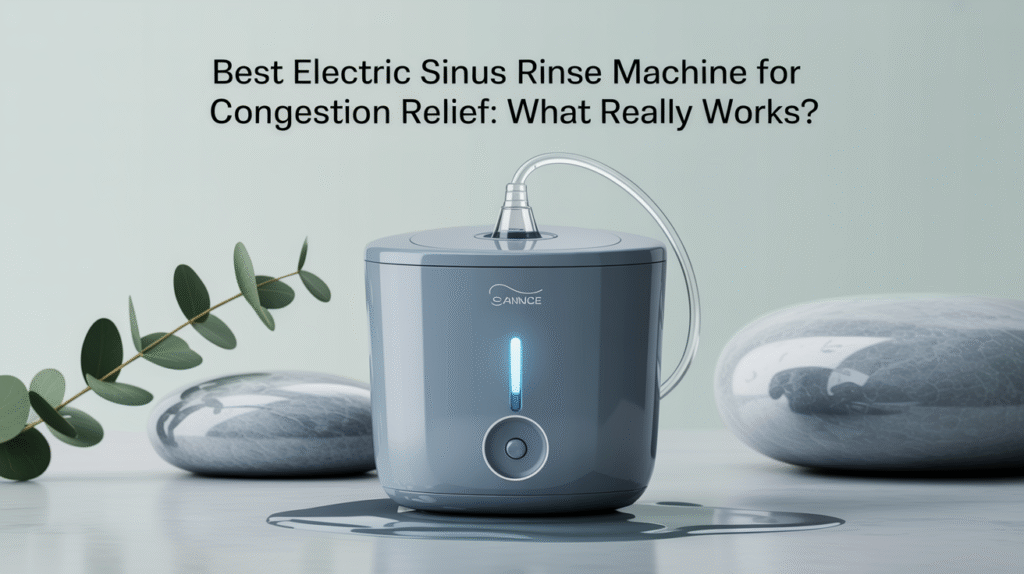
Once your surgeon clears you to begin nasal irrigation, doing your rinse an hour or so before bed rather than in the morning makes a real difference to nighttime comfort. You go to sleep with cleaner nasal passages and less debris blocking the drainage that happens overnight. For people who want more consistent irrigation at this point in recovery, electric nasal rinse options explains which electric options may make the routine easier.
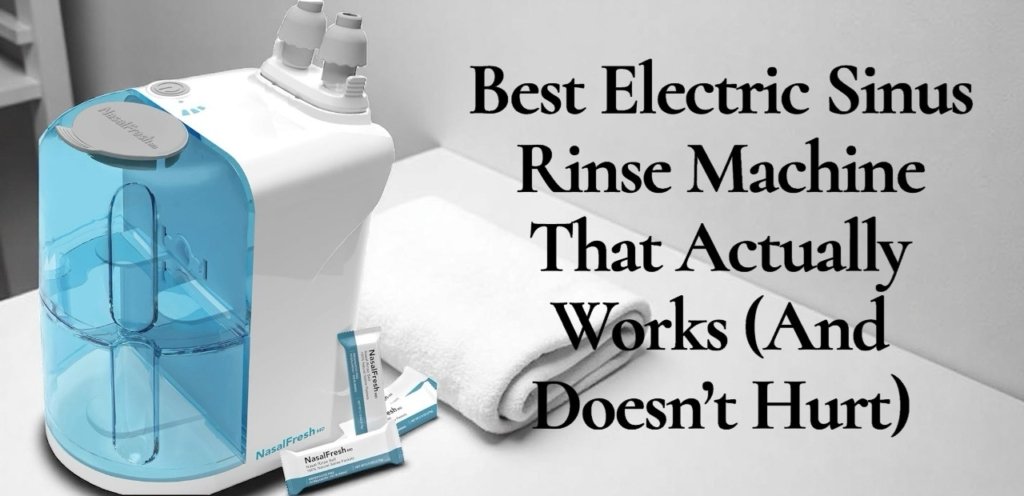
If you are still on a basic rinse bottle and finding it uncomfortable, the electric option genuinely changes the experience. An electric sinus rinse machine that does not hurt is what makes the difference between irrigation being something you actually do consistently and something you do twice and quit because it is too unpleasant.
The Ongoing Congestion That Lingers
A lot of people come out of the worst of the first week expecting to suddenly breathe freely and are surprised to find they are still significantly congested weeks later. This is normal. The internal swelling from septoplasty takes months to fully resolve, and nasal airflow often does not reach its full improvement until three to six months post-surgery.
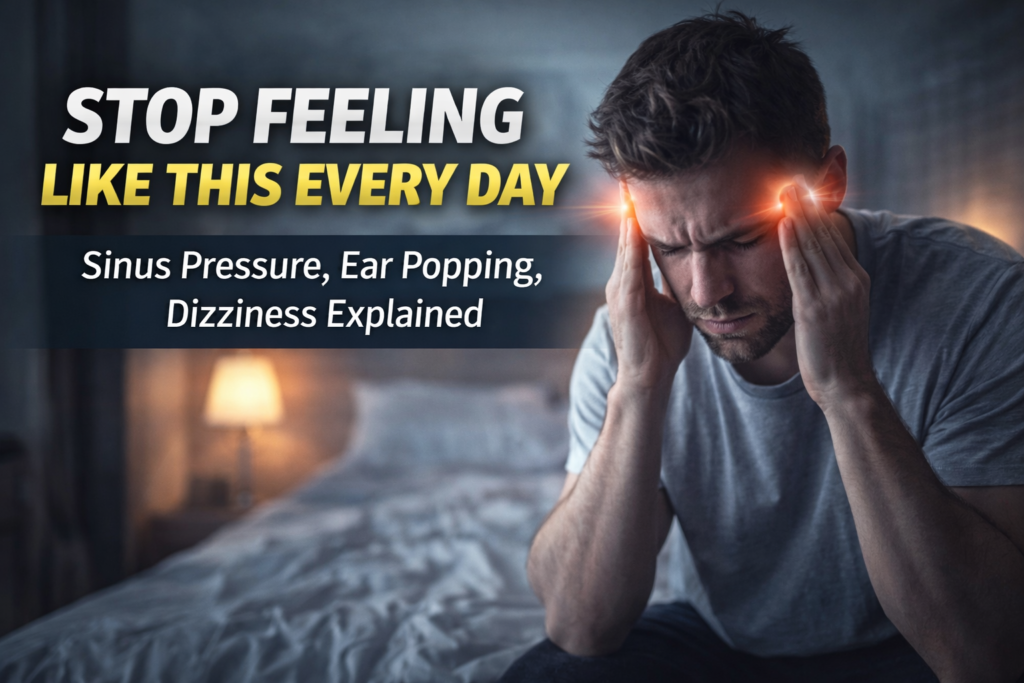
Feeling like you still have a sinus problem weeks or even months after surgery does not mean the surgery failed. It means healing is still happening. Why you feel like you always have a cold covers the post-surgical congestion picture in detail and is reassuring to read when you are at week three wondering why you still cannot breathe freely.
When Something Feels Wrong at Night
Most of what you experience in the night hours after septoplasty is uncomfortable but expected. But there are specific things that warrant calling your surgeon rather than waiting until morning.
- Bleeding that is soaking through gauze consistently — some bloody drainage is normal, but active bleeding that keeps coming is not
- Fever above 101 degrees Fahrenheit — a low-grade temperature in the first day or two can be normal, a climbing fever is not
- Vision changes of any kind — blurred vision, double vision, or pain behind the eyes is a signal to get evaluated immediately
- Severe headache dramatically different from the general post-op pressure
- Swelling or redness spreading to your cheeks or around your eyes
When in doubt, call. Surgeons and their after-hours lines would always rather hear from you at 2 AM than have you wait on something that needed attention.
Frequently Asked Questions
Can I sleep on my side after septoplasty?
Most surgeons recommend sleeping on your back for at least the first one to two weeks. Side sleeping puts pressure on the face and nose and increases swelling on the lower side. Once your surgeon clears you, easing back to side sleeping with a pillow supporting your face to prevent rolling onto your nose is the safer approach than switching all at once.
How many pillows should I use after septoplasty?
The goal is elevation of your entire upper body, not just your head. A wedge pillow achieves this best. If you are using regular pillows, three or more in a layered arrangement that props up your shoulders and upper back rather than just tilting your head is the target. Head-only elevation is not sufficient and can actually create neck pain that compounds your discomfort.
Is it normal to wake up every hour after septoplasty?
Yes, particularly in nights two through five. Fragmented sleep during the peak of the acute recovery phase is extremely common. It happens because mouth breathing causes frequent dry-throat wake-ups, pain medication wears off and needs redosing, and swelling is at its worst making any position uncomfortable quickly. It does improve. The first stretch of four-plus hours of continuous sleep after stent removal is usually a sign the worst is genuinely behind you.
Can I take melatonin to help me sleep after septoplasty?
Check with your surgeon first, but melatonin is generally not contraindicated after septoplasty and many people find it helpful for the sleep initiation problem — getting to sleep is harder than staying asleep in the early recovery period. The standard low dose of 0.5 to 1mg is more effective for sleep initiation than the higher doses commonly sold, and it does not interact with most post-surgical pain medications. That said, always confirm with your own surgical team before adding anything to your medication routine in the first week.
How long until sleep is back to normal after septoplasty?
Most people are sleeping reasonably normally by week two to three, though often still with some elevation and congestion. Genuinely normal sleep — in your usual position, breathing through your nose comfortably — often does not return until the three to six month mark when internal swelling has fully resolved. The trajectory is positive and mostly forward from week two onward, with occasional setbacks, but the full payoff of the surgery on sleep quality often comes later than people expect.
Written by Jamie Holloway. Jamie had septoplasty and turbinate reduction two years ago and spent the first week of recovery convinced she was the only person in the world who had ever had this hard a time sleeping after nose surgery. She was not. She now writes about the practical reality of septoplasty recovery because she wishes someone had written this article before her surgery instead of after. She is not a medical professional, and everything here should be read alongside the guidance of your own surgical team.