Why This Is One of the Most Frustrating Situations
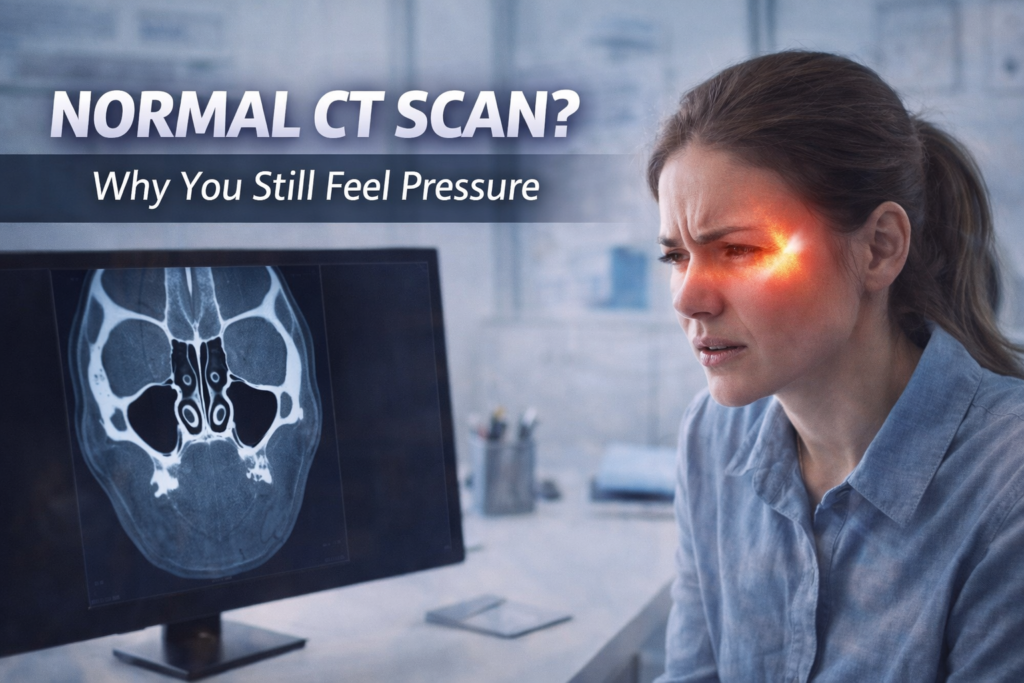
If you’ve had a CT scan and were told everything looks normal… but you still feel constant sinus pressure, you’re not alone.
This is one of the most confusing and frustrating parts of dealing with chronic sinus issues.
Because on paper:
- nothing is blocked
- nothing is infected
- nothing looks wrong
But in real life:
- your head feels full
- your face feels pressurized
- your ears won’t settle
- you feel off or foggy
And no one can explain why

What A Sinus CT Scan Actually Looks For
A CT scan is designed to detect structural problems like:
- sinus blockages
- infections
- polyps
- major inflammation
- anatomical issues
If those things aren’t present:
the scan comes back “normal”

What A CT Scan Does NOT Show
This is the part most people never get told.
A CT scan does NOT show:
- low-level chronic inflammation
- Eustachian tube dysfunction
- pressure instability
- mucus thickness or drainage issues
- how your sinuses function day to day
So you can still feel terrible with a “perfect” scan
The Most Common Real Cause
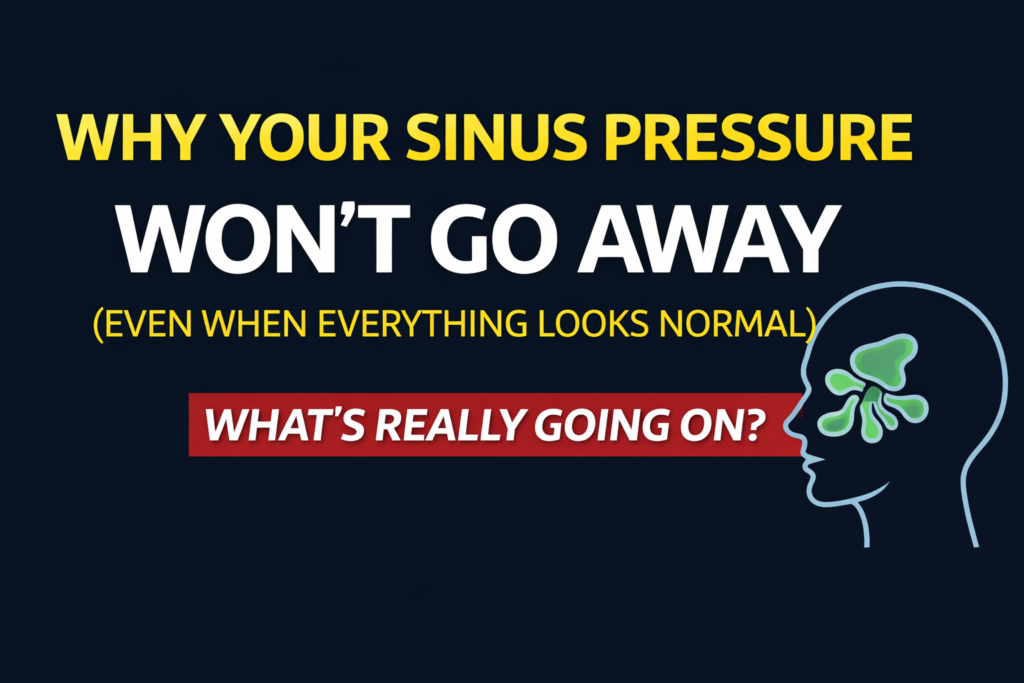
In many cases, the issue is not structural. The broader reasons pressure can continue despite normal-looking results are outlined in Why Your Sinus Pressure Won’t Go Away….
It’s functional.
Chronic Low-Level Inflammation
Even if your scan looks normal, your sinuses can still be:
- irritated
- swollen
- inflamed
This often comes from:
- allergies
- environmental triggers
- long-term irritation
It’s enough to cause pressure
but not enough to show clearly on a scan
Eustachian Tube Dysfunction
This connects directly to your ears.
When your tubes don’t regulate pressure properly:
- your ears click
- pressure shifts
- your head feels off

If this sounds familiar, read this next:
why your ears constantly click but never feel open
The Balance System Connection
Your inner ear controls balance.
When pressure and signals are slightly off:
your brain constantly tries to adjust
That leads to:
- dizziness (not spinning)
- brain fog
- that “not right” feeling

If you’re dealing with that, this connects directly:
why you feel dizzy but not spinning
Why It Feels Like A Constant Head Cold
This is one of the most relatable symptoms.
It feels like:
- congestion without relief
- pressure that never clears
- constant irritation
Even without infection.
This is explained deeper here:
why you feel like you have a cold every day and it won’t go away
Why Medications Often Don’t Solve It
Most treatments focus on symptoms:
- nasal sprays
- antihistamines
- decongestants
But they don’t fix:
- pressure regulation
- sinus drainage habits
- long-term inflammation
What Actually Helps (Real Approach)

Step 1: Address Inflammation
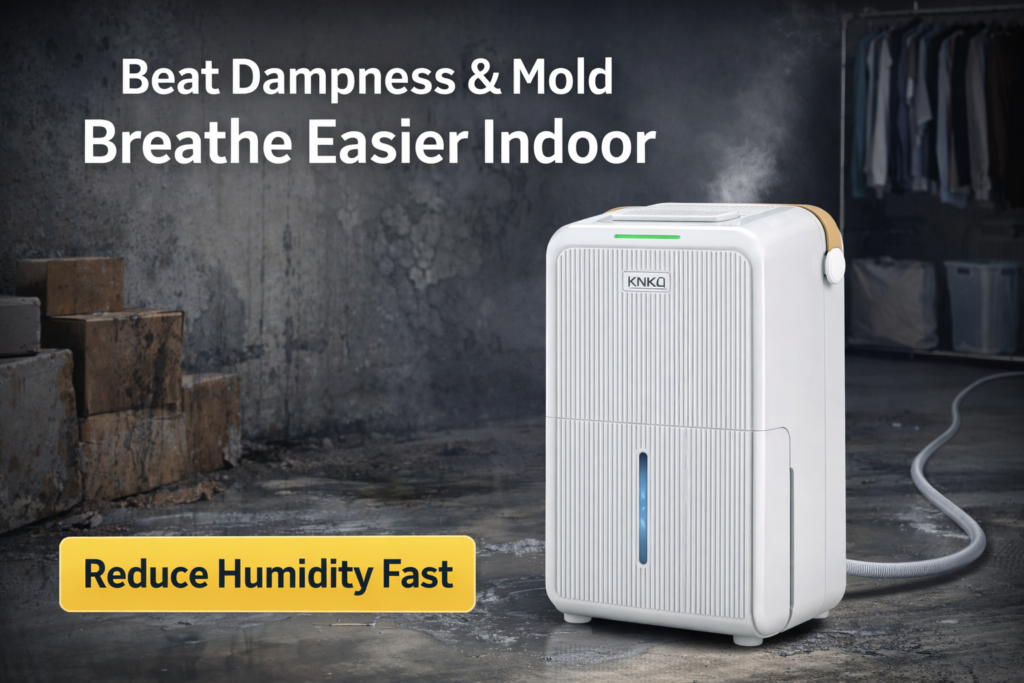
If you have allergies or triggers:
this is the root
Without fixing this, nothing else sticks.
Step 2: Improve Sinus Drainage
This is one of the biggest differences you can make.
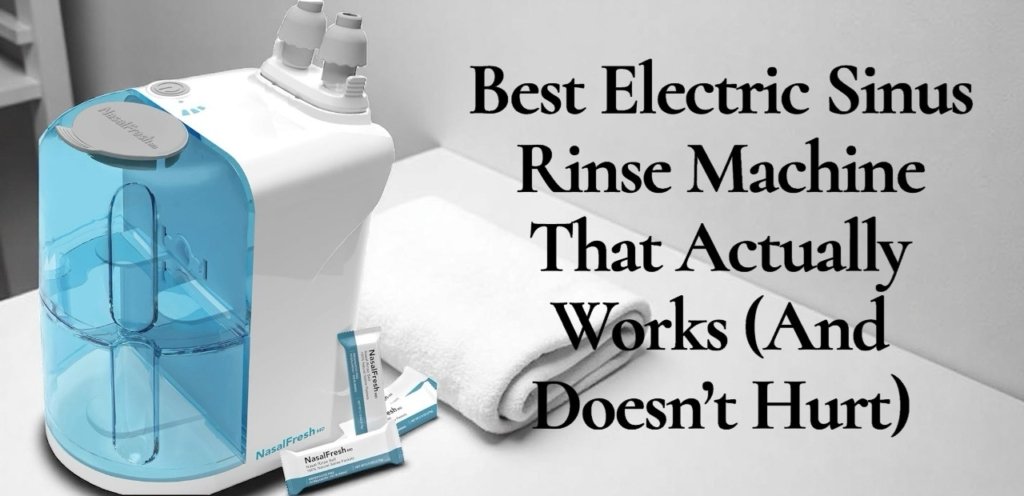
Start here:
a sinus rinse system that actually works without pain
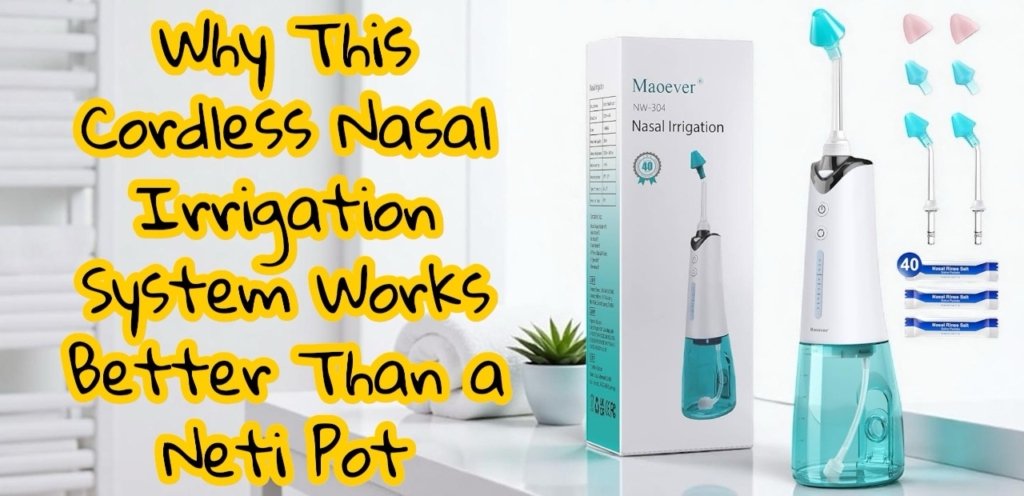
Or upgrade your routine:
why this cordless irrigation system works better
Step 3: Hydration
Hydration directly impacts sinus function.
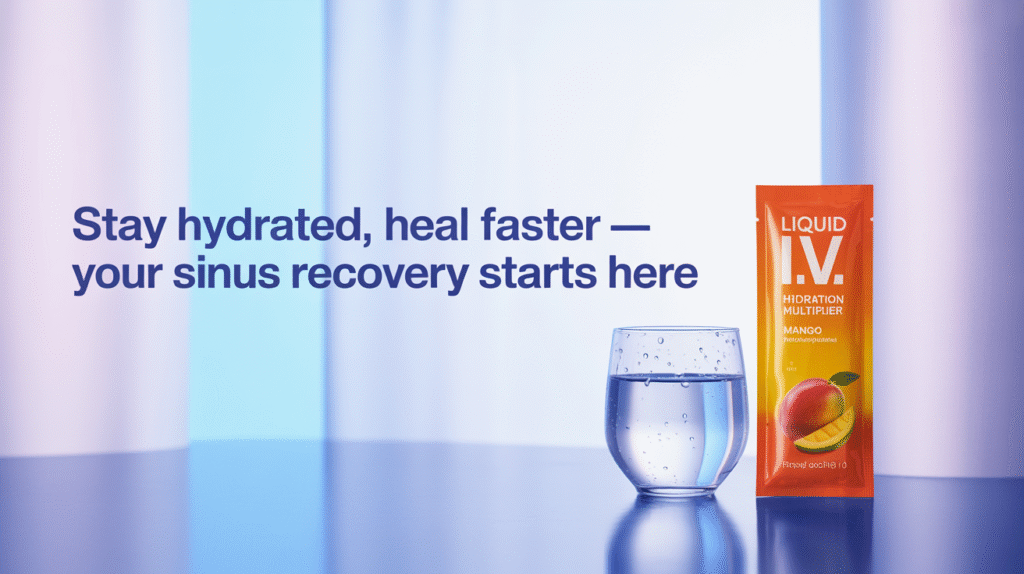
Learn more here:
how hydration affects sinus healing
Step 4: Improve Sleep Environment
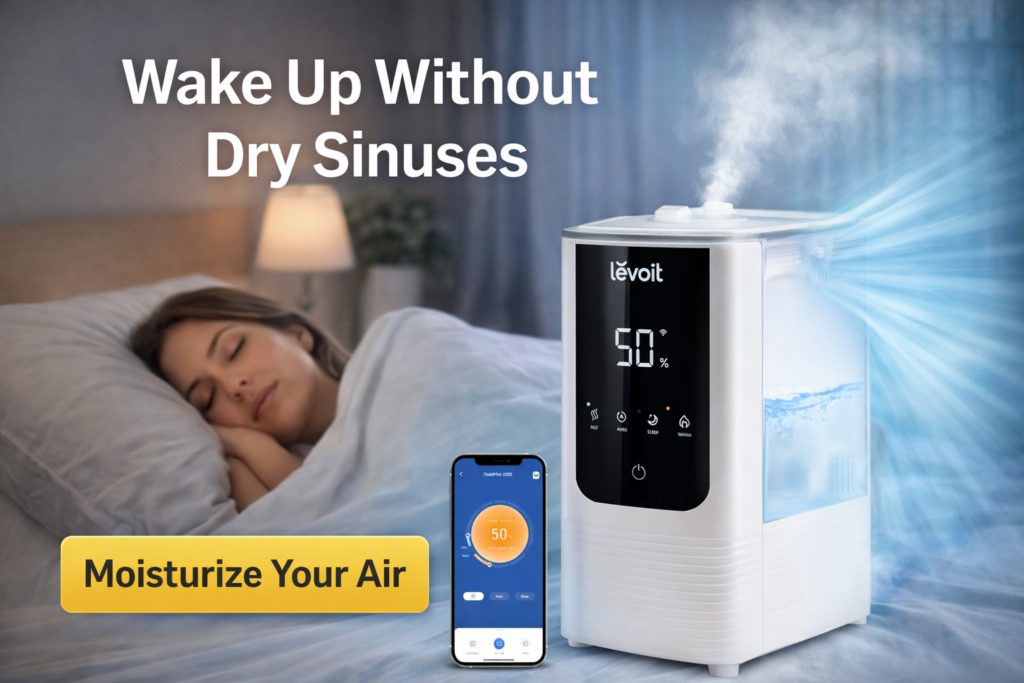
Your symptoms often get worse overnight.
Sleep plays a bigger role than most people realize.
This helps:
best temperature for sleep
Step 5: Stop Reinforcing The Cycle
Small habits matter.
- constant ear popping
- over-checking symptoms
- stress about symptoms
all keep your system activated
Why This Condition Gets Overlooked
Because:
- tests look normal
- symptoms are hard to describe
- no single clear cause
So people get told:
“everything is fine”
When it’s not.
What This Means For You
If your scan is normal but symptoms persist:
it doesn’t mean nothing is wrong
it means it’s not structural
That’s actually a good thing.
Because:
functional issues are fixable
You’re Not Alone In This
A lot of people are dealing with this exact situation.
If you want to learn more:
about Sinus Struggles
frequently asked questions
Where To Start
If you feel stuck, start here:
- reduce inflammation
- improve sinus drainage
- hydrate
- improve sleep
- stay consistent